Law enforcement would be barred from making civil arrests — including immigration arrests of suspected noncitizens — in state and local courtrooms under a proposal being considered by the Michigan Supreme Court.
The proposed rule change announced last month would prohibit civil arrests of people “attending a court proceeding or having legal business” in any of Michigan’s trial or appellate courthouses. The rule as written would not interfere with criminal or court-ordered arrests.
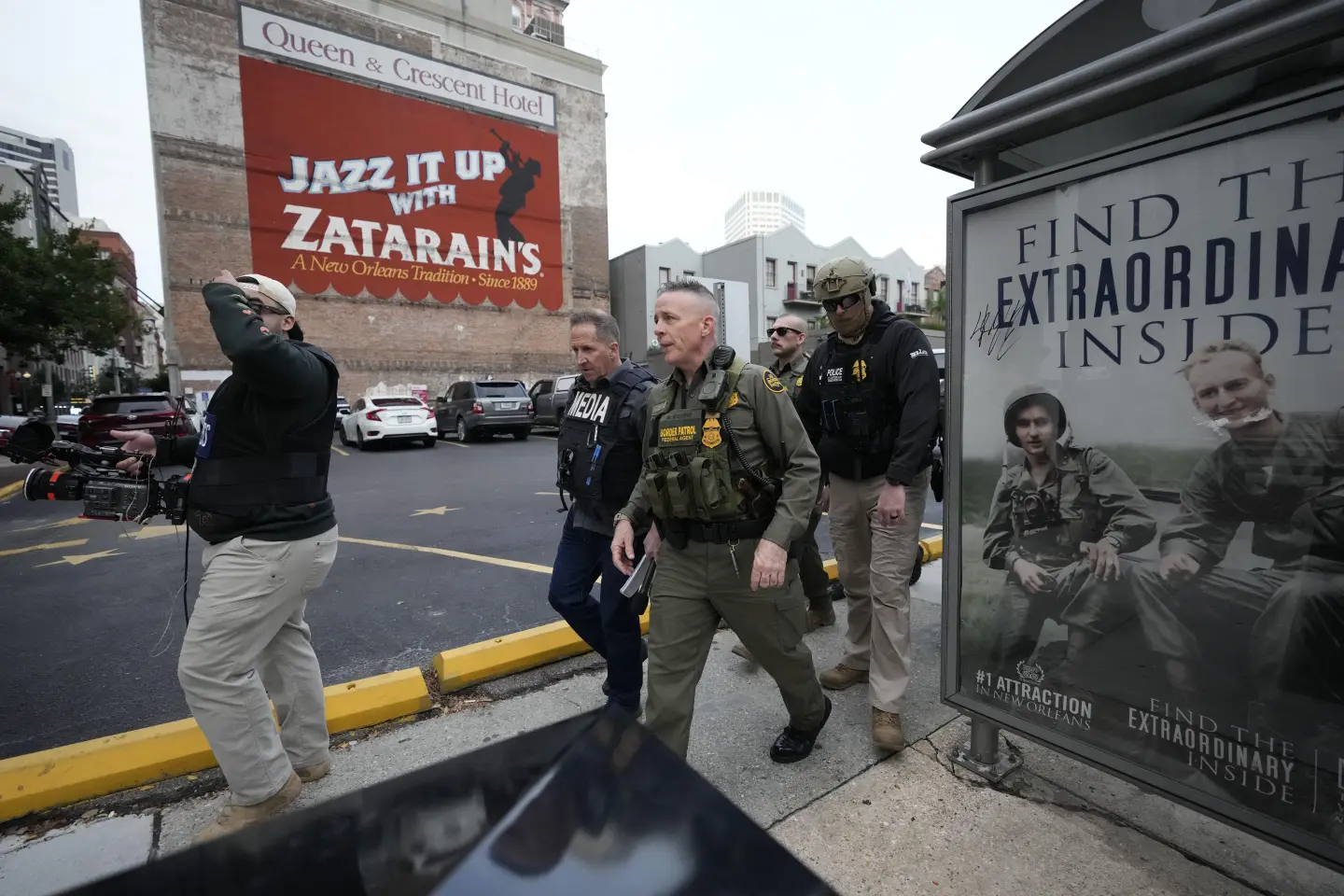
If adopted, the amendment would add Michigan to the list of states attempting to limit immigration arrests following court proceedings, which have ramped up in recent months as President Donald Trump’s administration cracks down on illegal immigration enforcement.
States don’t have jurisdiction over what happens in immigration courts, which are federal property, and cannot bar arrests there.
But advocates argue Michigan should join New York, Connecticut, Illinois and other states in limiting arrests in local courts, which they contend could deter immigrants from attending court hearings. “It’s an issue that affects everyone when you have any part of the population that is afraid to come and participate in our court proceedings,” said Susan Reed, executive director of the Michigan Immigrant Rights Center.
The Trump administration has unsuccessfully challenged similar policies in other states as “sanctuary” measures that obstruct lawful arrests.
Why now?
It’s unclear how many arrests have been made in courthouses, though one analysis from mathematician Joseph Gunther identified 2,388 likely arrests in federal immigration courts nationwide between May and July 2025, including nine in Detroit.
Immigration arrests appear to be less common when a person with no criminal history heads to a local courthouse to pay traffic tickets or testify in a hearing, but not unheard of. Reed and Loren Khogali, director of the American Civil Liberties Union of Michigan, first called on Michigan courts to change the rules around civil arrests in April after an incident outside Plymouth’s 35th District Court where a US citizen was mistakenly detained by federal immigration enforcement.
Even the possibility of ICE or border patrol agents at courthouses can be enough to deter people from showing up to court at all, complicating prosecutors’ ability to secure witness testimony and potentially endangering individuals seeking assistance for issues like child custody or domestic violence.
“A rule would definitely go a long way to address fear,” Reed stated, emphasizing the importance of keeping the state court free from federal civil immigration matters.
The case for courthouse enforcement
Guidelines under former President Joe Biden limited immigration arrests in courthouses. These rules were reversed in January with the assumption of President Trump’s second term, allowing more aggressive immigration enforcement in and around courthouses.
ICE’s latest guidance indicates that enforcement actions should ideally be conducted in non-public areas and coordinate with court security staff to mitigate potential safety risks.
Meanwhile, states like New York and Illinois have implemented tougher limitations on civil immigration arrests in courthouses, reflecting a shifting political landscape regarding immigration enforcement.
What’s next in Michigan
The Michigan Supreme Court is collecting public comments on the proposed rule until December 22. They plan to hold a public hearing before making any decisions. While most comments support the rule due to concerns over public safety and accessibility to justice, some argue that such changes would interfere with federal immigration enforcement.
For now, the proposal's future remains uncertain as Michigan deliberates on how to balance state and federal jurisdiction in immigration matters.