In Arkansas, an uptick in immigration enforcement has led to fear and disruption within immigrant communities. The story of Cristina Osornio, a legal permanent resident, exemplifies the urgent challenges many families face under these strictening measures.
Osornio had already endured the complication of being separated from her husband, the father of her two youngest children, when she was detained during a traffic stop in Benton County. According to local records, this arrest came as part of a wider enforcement crackdown that has seen local law enforcement work closely with Immigration and Customs Enforcement (ICE).
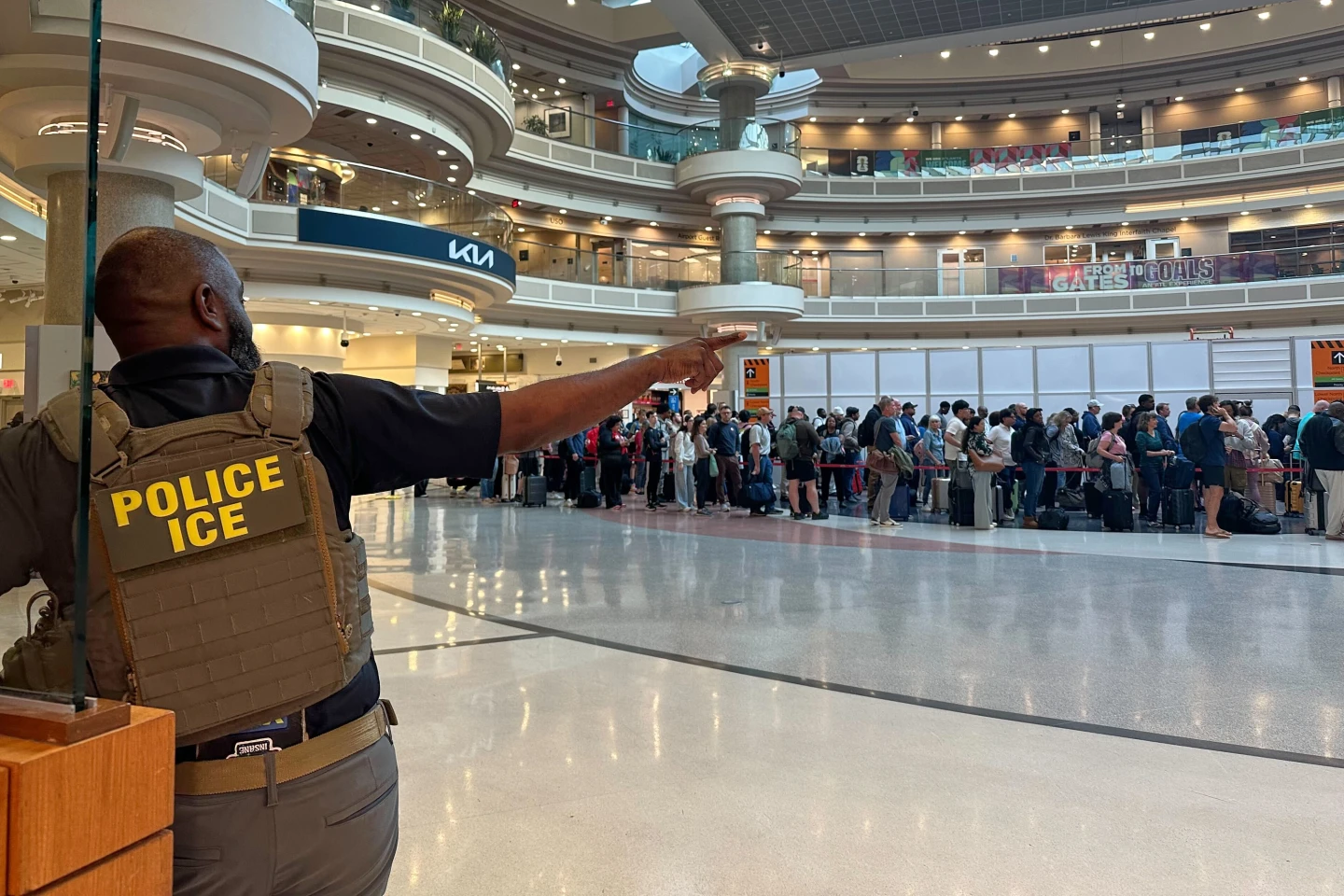
The partnership between the Arkansas authorities and ICE has contributed to a significant number of arrests, according to data analyzed by the Associated Press. This cooperation has not only caught violent offenders but equally ensnared those with minor infractions, signaling a broader trend in how such programs operate across the nation.
Following Osornio's arrest in September, she spent several days in the Benton County Jail under an ICE hold, highlighting systemic issues where people with legal status and families are subjected to deportation risks based merely on their participation in routine policing.
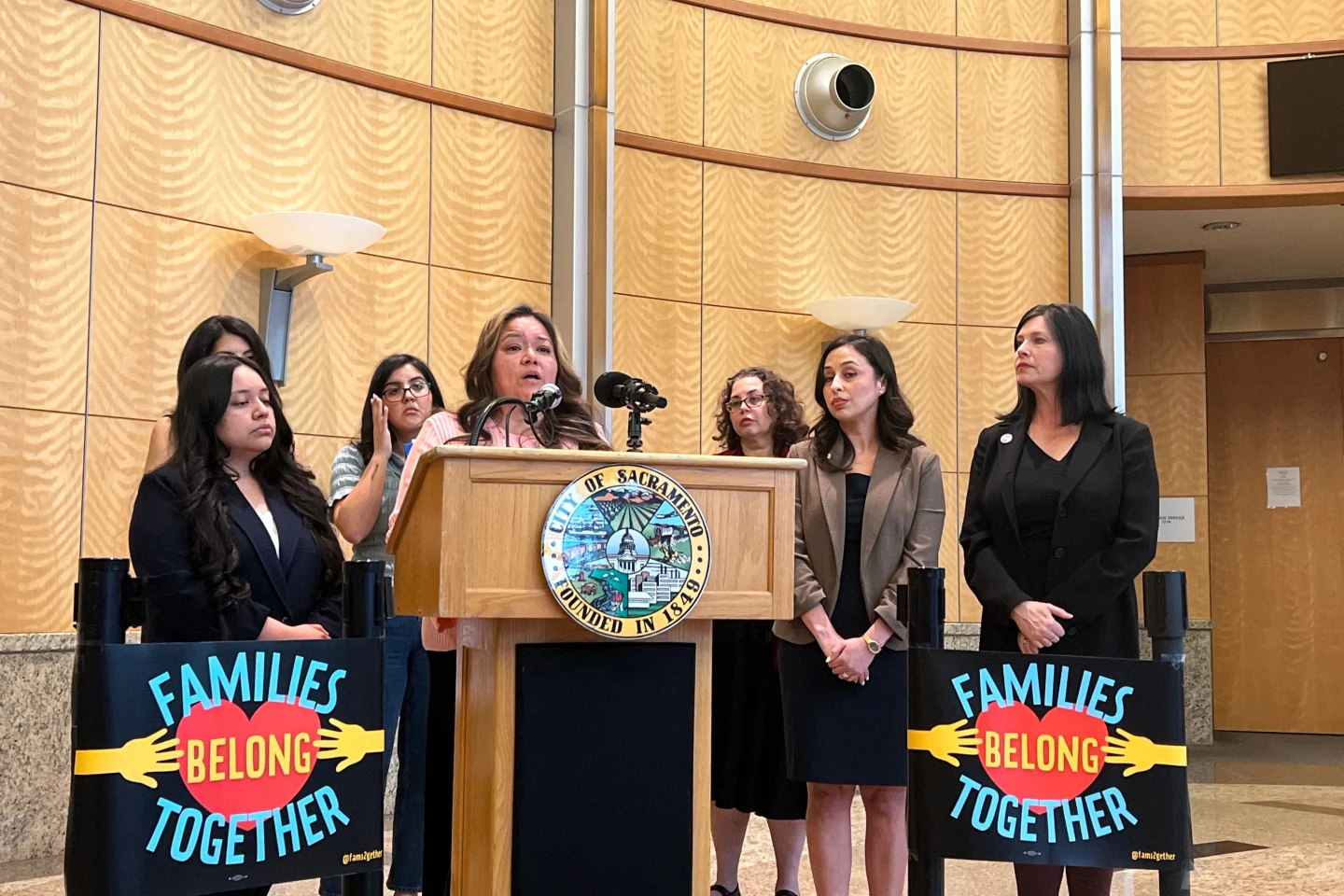
The community's response extends beyond simple discontent, as many feel that both racial profiling and excessive hollering on minor charges are becoming commonplace. As Osornio articulated, Nobody is safe at this point because they are targeting you because of your skin color. The tone of such remarks underscores the fear rippling through neighborhoods familiar with ICE operations.
The impact of such laws has drastically influenced family structures, with Osornio herself struggling financially and emotionally after her husband's deportation. These societal shifts raise questions about security, safety, and the future of immigrant communities within the U.S., given rising intolerance that seems to target based on race rather than actual misconduct.
As communities grapple with the ramifications of such enforcement strategies, many immigrant families remain vigilant about potential encounters with law enforcement to avoid becoming ensnared in the immigration web.