ROGERS, Ark. — Northwest Arkansas has become a notable area in the Trump administration’s efforts to address illegal immigration. This has largely been attributed to Benton County's partnership with Immigration and Customs Enforcement (ICE) and aggressive traffic law enforcement tactics.
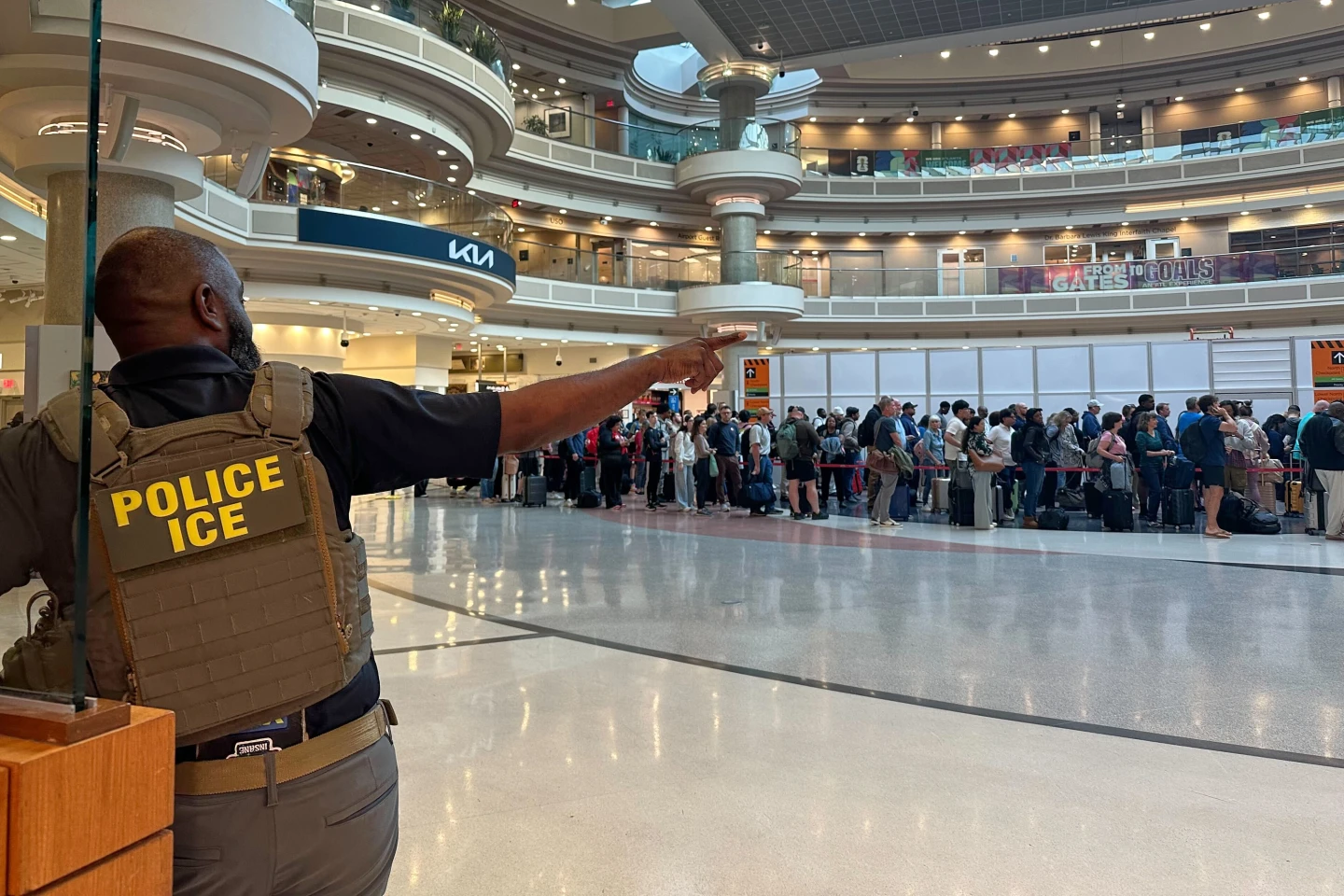
The implications of these policies are evident, as local law enforcement's broad cooperation with ICE reflects a national trend encouraged by the Department of Homeland Security, which offers financial incentives for conducting immigration arrests.
Benton County's ICE Collaboration
Since January 1, over 450 individuals have been arrested by ICE at the Benton County Jail—a rate of more than 1.5 arrests per day in a county of roughly 300,000 residents. This surge can largely be attributed to the county's implementation of the 287(g) program, which enables deputies to query individuals about their immigration status during the booking process.
The program is responsible for a considerable portion of national arrests attributed to similar initiatives nationwide, accounting for more than 4% of approximately 7,000 arrests in the first nine months of the year.
Diverse Criminal Backgrounds
Of the individuals arrested, about half had prior convictions, while the others faced pending charges, with a significant variety in the severity of offenses. Records indicate that individuals in ICE custody have been charged with offenses as varied as forgery, sexual assault, and public intoxication, highlighting a complex intersection of crime and immigration enforcement.
Expansion of ICE Collaborations
Nationwide, ICE has increased its cooperation agreements with law enforcement from about 135 to over 1,180 since the Trump administration began, with active encouragement of similar programs in Republican areas like Florida. Notably, Arkansas Governor Sarah Huckabee Sanders has enacted legislation mandating sheriffs to engage with ICE.
Fear and Distrust Among Immigrant Communities
As a result of these heightened enforcement measures, many local immigrants express fear of racial profiling, leading to a reluctance to engage in everyday activities such as driving or socializing outside their homes. Residents report experiencing heightened anxiety about their legal status during routine law enforcement encounters, significantly altering their quality of life.
Personal Impact: Stories of Separation
A case exemplifying the human impact of these policies involves 35-year-old Cristina Osornio, who faced an ICE hold despite her legal residency. Her husband, an undocumented immigrant, was deported after being arrested under similar circumstances. Osornio's experience sheds light on the emotional and financial toll these immigration policies can have on families.
As Northwest Arkansas continues to adapt to these immigration enforcement trends, the experiences and concerns of its immigrant residents provide both a personal and political lens through which the broader impacts of U.S. immigration policy can be understood.