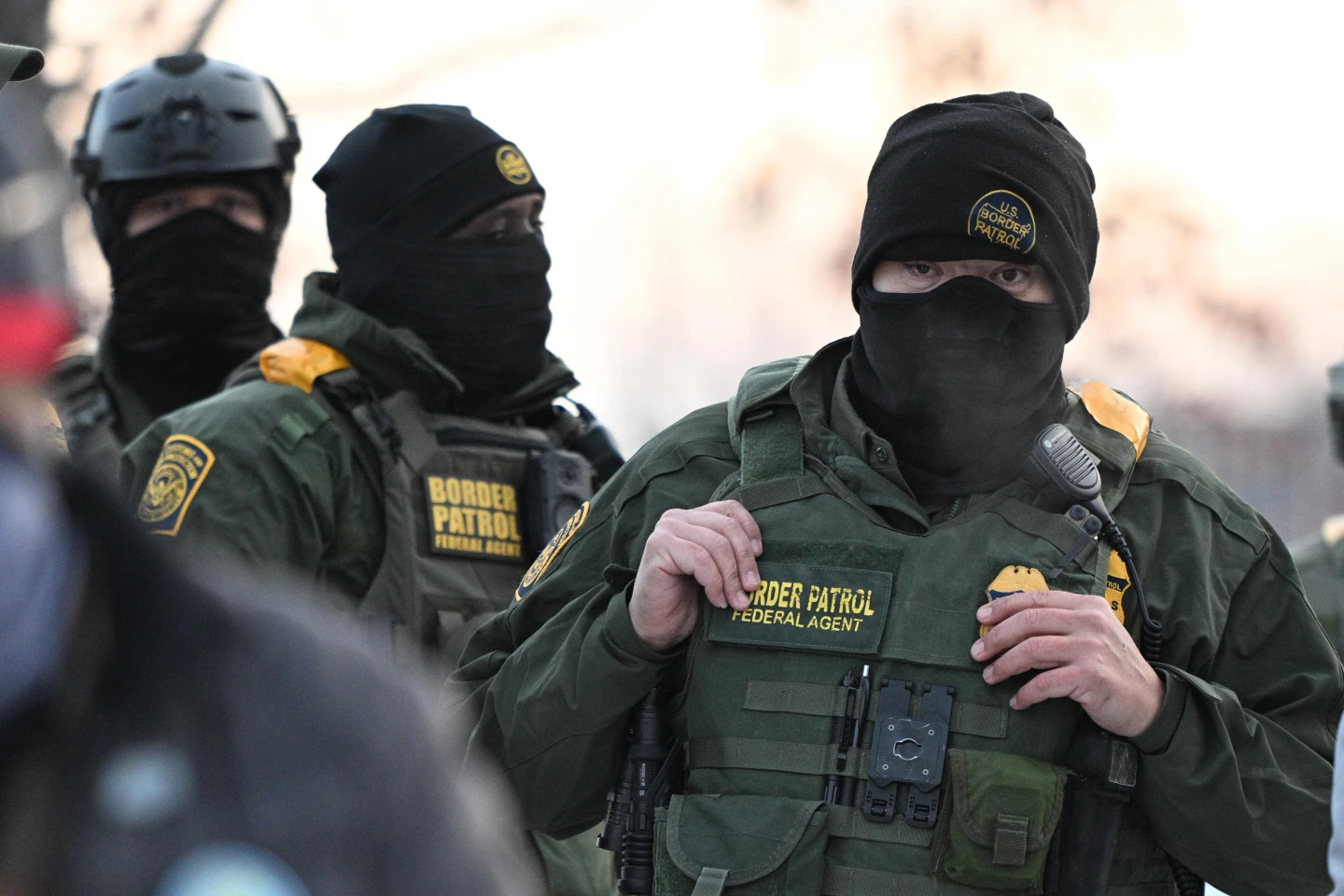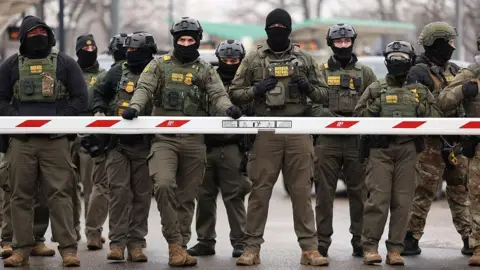
Federal immigration agents deployed in Minneapolis, Minnesota, will soon receive body cameras, according to the US Department of Homeland Security (DHS).
The announcement comes as the government faces backlash over the recent deaths of two US citizens, Alex Pretti and Renee Good, following increased federal immigration enforcement in the Minneapolis area.
Effective immediately we are deploying body cameras to every officer in the field in Minneapolis, DHS Secretary Kristi Noem stated.
The Hennepin County Medical Examiner ruled Pretti's death on January 24 a homicide, stating he suffered multiple gunshot wounds while being shot by law enforcement officers. Pretti died in the emergency room at the Hennepin County Medical Center.
According to US Customs and Border Protection, the agents involved in Pretti's death wore body cameras and have since been placed on leave. In response, the US Department of Justice has launched a civil rights investigation into the incident.
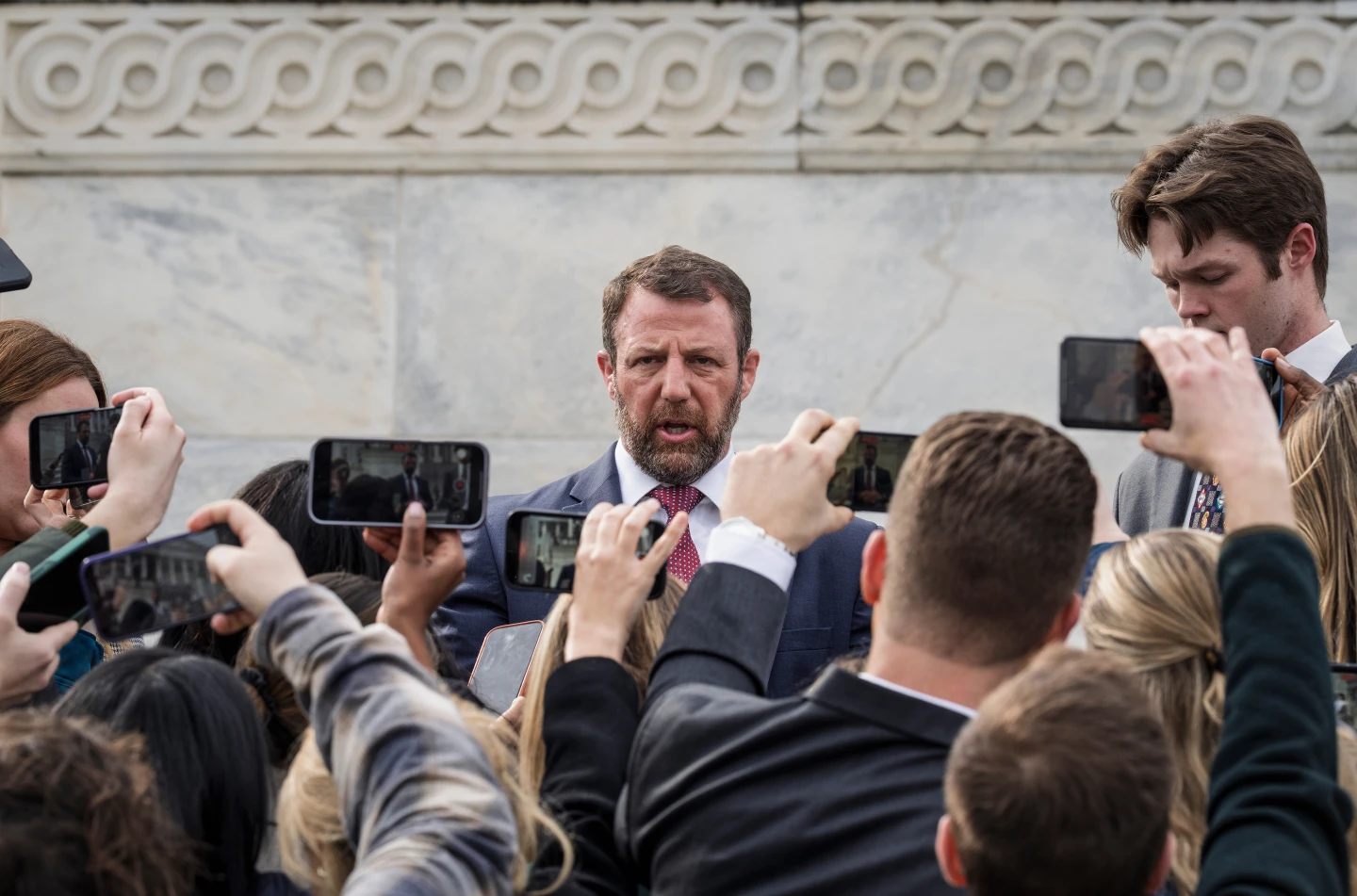
Noem has asserted that the federal body camera program will be expanded nationwide once funding becomes available. This decision comes amid a partial government shutdown, with Democrats advocating for immigration reforms, including body cameras, as part of any funding deal.
Currently, Immigration and Customs Enforcement (ICE) is the highest funded law enforcement agency in the US, having received $80 billion in funding last year from Congress.
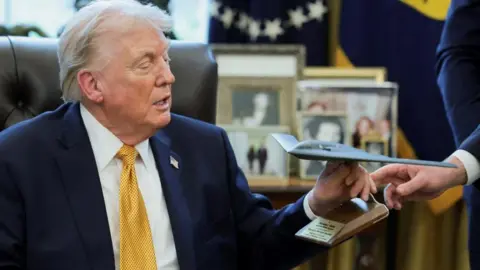
President Donald Trump commented on the body camera decision, stating that they generally benefit law enforcement by providing clear evidence during encounters. Following Pretti's shooting, Trump removed US border patrol chief Gregory Bovino from Minneapolis, appointing Tom Homan as his replacement.
In meetings with local leaders, Governor Walz and Mayor Frey requested the withdrawal of federal agents from Minneapolis, as tensions continue to rise. Homan indicated that the drawdown of federal agents depends on the cooperation from state and local officials with federal authorities.
The Trump administration has criticized Minneapolis for enforcing a sanctuary city policy that prevents city employees from enforcing immigration laws. Mayor Frey expressed a desire for Minneapolis police to focus on local safety concerns while remaining open to working with federal authorities when necessary.
Over 3,000 federal immigration officers have been present in Minnesota as part of a crackdown on illegal immigration, fulfilling a promise made by Trump during his campaign.