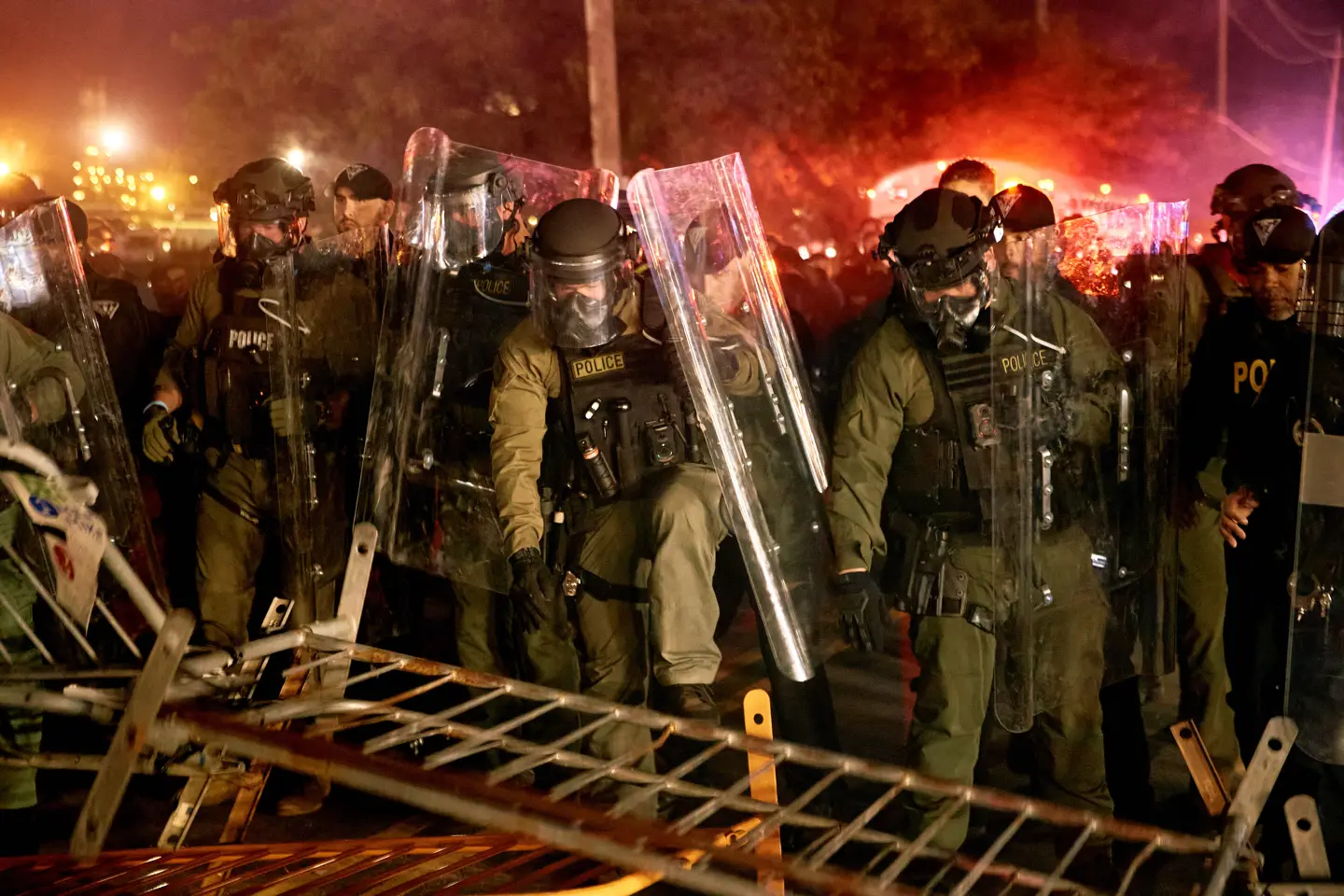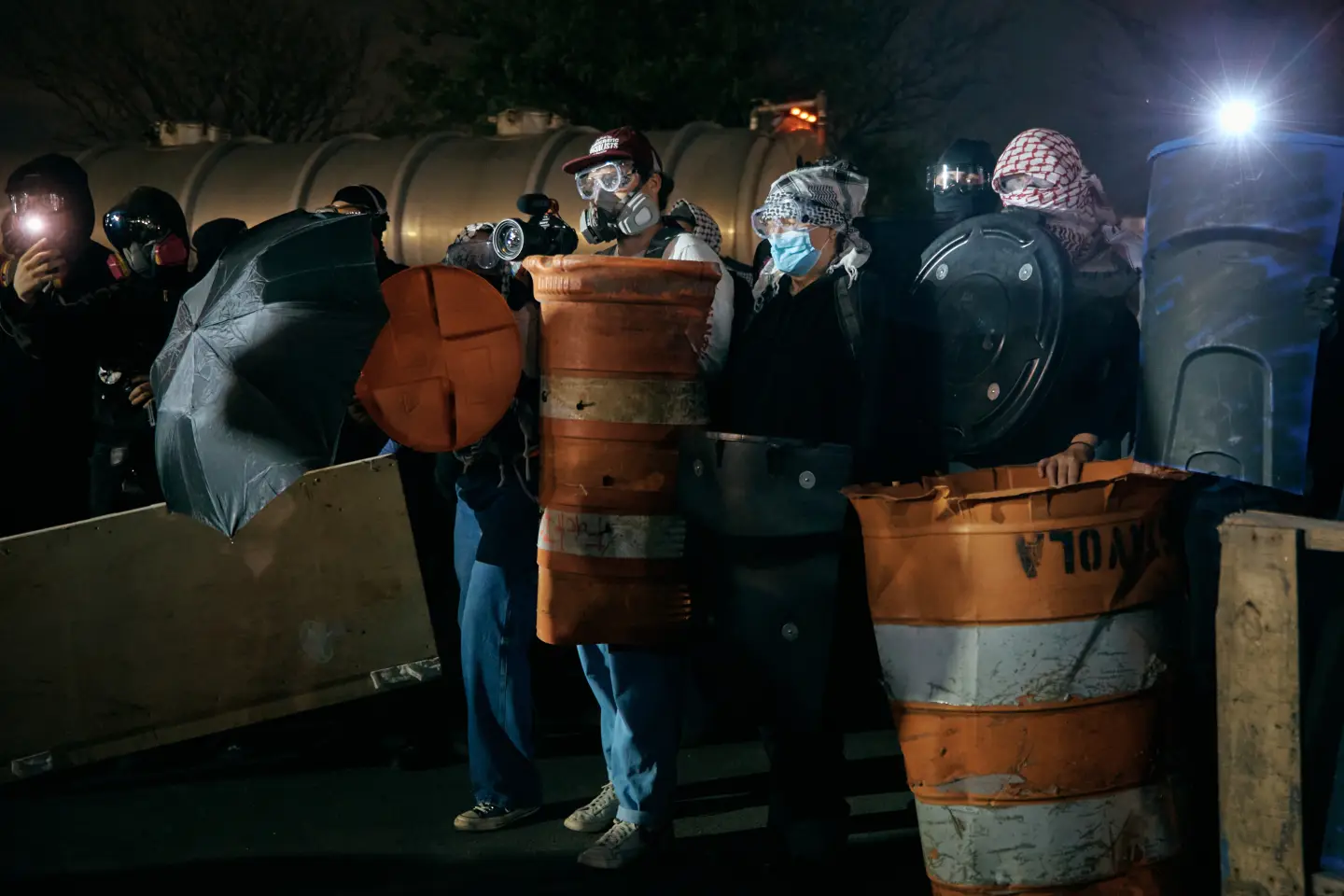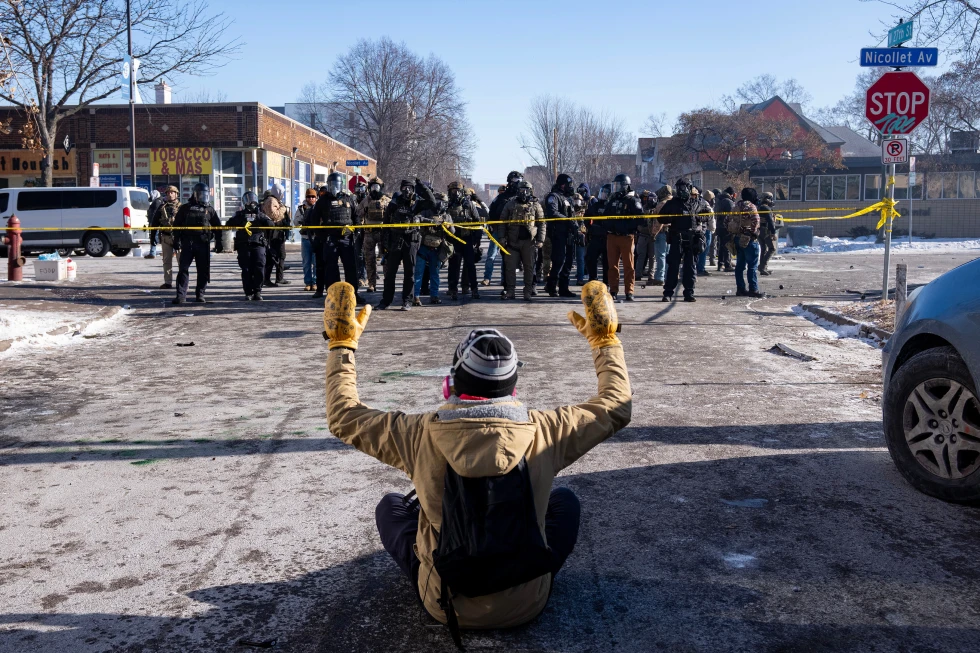
With the eyes of a nation fixed on the unrest in Minneapolis, the events haven’t left local journalists overmatched.
Over the past month, the Minnesota Star Tribune has broken stories, including the identity of the immigration enforcement officer who shot Renee Good, and produced a variety of informative and instructive pieces. Richard Tsong-Taatarii’s photo of a prone demonstrator sprayed point-blank with a chemical irritant quickly became a defining image. The ICE actions have changed how the outlet presents the news.
At a time when many regional newspapers have struggled due to the decline in journalism as a business, the Star Tribune has kept staffing relatively steady under billionaire Glen Taylor, who has owned it since 2014. It rebranded itself from the Minneapolis Star Tribune and committed itself to a digital transformation.
“If you hadn’t invested in the newsroom, you wouldn’t be able to react in that way,” said Publisher and Chief Executive Steve Grove.
Minnesota’s robust journalism tradition
The Star Tribune hasn’t operated in a vacuum. Minneapolis has a robust journalism tradition, particularly on public radio and television. Sahan Journal, a digital newsroom focusing on immigrants and diverse communities, has also distinguished itself covering President Donald Trump’s immigration efforts and the public response.
“The whole ecosystem is pretty darn good,” said Kathleen Hennessey, senior vice president and editor of the Star Tribune, “and I think people are seeing that now.”
While national outlets have made their presence felt, strong local teams offer advantages in such stories. The Star Tribune’s Josie Albertson-Grove was one of the first journalists on the scene after ICU nurse Alex Pretti was shot dead on Jan. 24. She lives about a block away, and her knowledge of the neighborhood and its people helped to reconstruct what happened.
Journalists with kids in school learned about ICE efforts to target areas where children gather by hearing chatter among friends. While covering a beat like public safety can carry baggage, Star Tribune reporter Liz Sawyer developed sources that helped her, along with colleagues Andy Mannix and Sarah Nelson, report on who shot Good.
“This is a place with a really long and entrenched tradition of activism, and deep social networks,” Hennessey said.
A Signal chat tipped Tsong-Taatarii about a growing demonstration on Jan. 21. His photo at the scene captured the moment a protester was restrained by police, which many found evocative and controversial.
‘A badge to prove I belong’
The Star Tribune’s comprehensive reporting emerged in various stories addressing the impacts of ICE actions, with writers like Christopher Magan and Jeff Hargarten uncovering statistics that stirred dialogue about immigrant detentions. Columnist Laura Yuen’s personal narrative reflected on the growing unease within the community, as even her elderly parents began carrying their passports out of fear.
Since Hennessey took the lead last May, the Star Tribune has reported on significant incidents, including a gunman opening fire at a Catholic school. The newsroom operates with agility, adapting to rapidly evolving circumstances while engaging readers directly through continuous updates and investigative work.
The newsroom is transforming, with efforts emphasizing a digital-first approach and resource reallocations to meet the demands of current events.
“People have changed the way that they consume news,” Hennessey noted.
“We are grateful to be able to serve our community," said Sawyer, reflecting on the immense responsibility of reporting during challenging times.