In brief
A Massachusetts judge ruled a mistrial in the trial of Lindsay Clancy, who is accused of killing her three children, after the jury could not reach a unanimous verdict after more than 40 hours of deliberation. The jurors had deliberated for seven days, but a single hold‑out juror prevented a decision, prompting the judge to declare a hung jury. Prosecutors will decide whether to seek a new trial or negotiate a plea deal; the case remains highly publicized, with widespread commentary on postpartum psychosis and a brief statement from President Trump. Clancy, a 36‑year‑old former nurse, is currently held on murder charges and confined to a mental‑health facility. The case highlights the intersection of criminal law and mental health and raises questions about the legal handling of severe postpartum conditions.
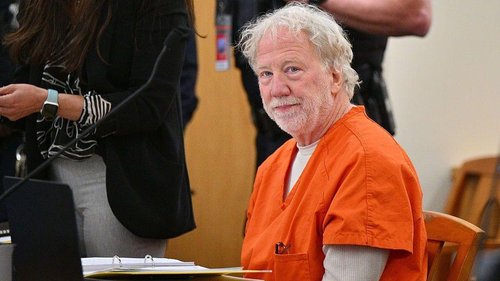
A Massachusetts judge declared a mistrial in the murder trial against Lindsay Clancy after jurors, who had deliberated for more than 40 hours over seven days, could not reach a unanimous verdict. The judge ruled that a hung jury required a mistrial, leaving Clancy’s case in limbo while prosecutors weigh whether to pursue a new trial or a plea agreement.
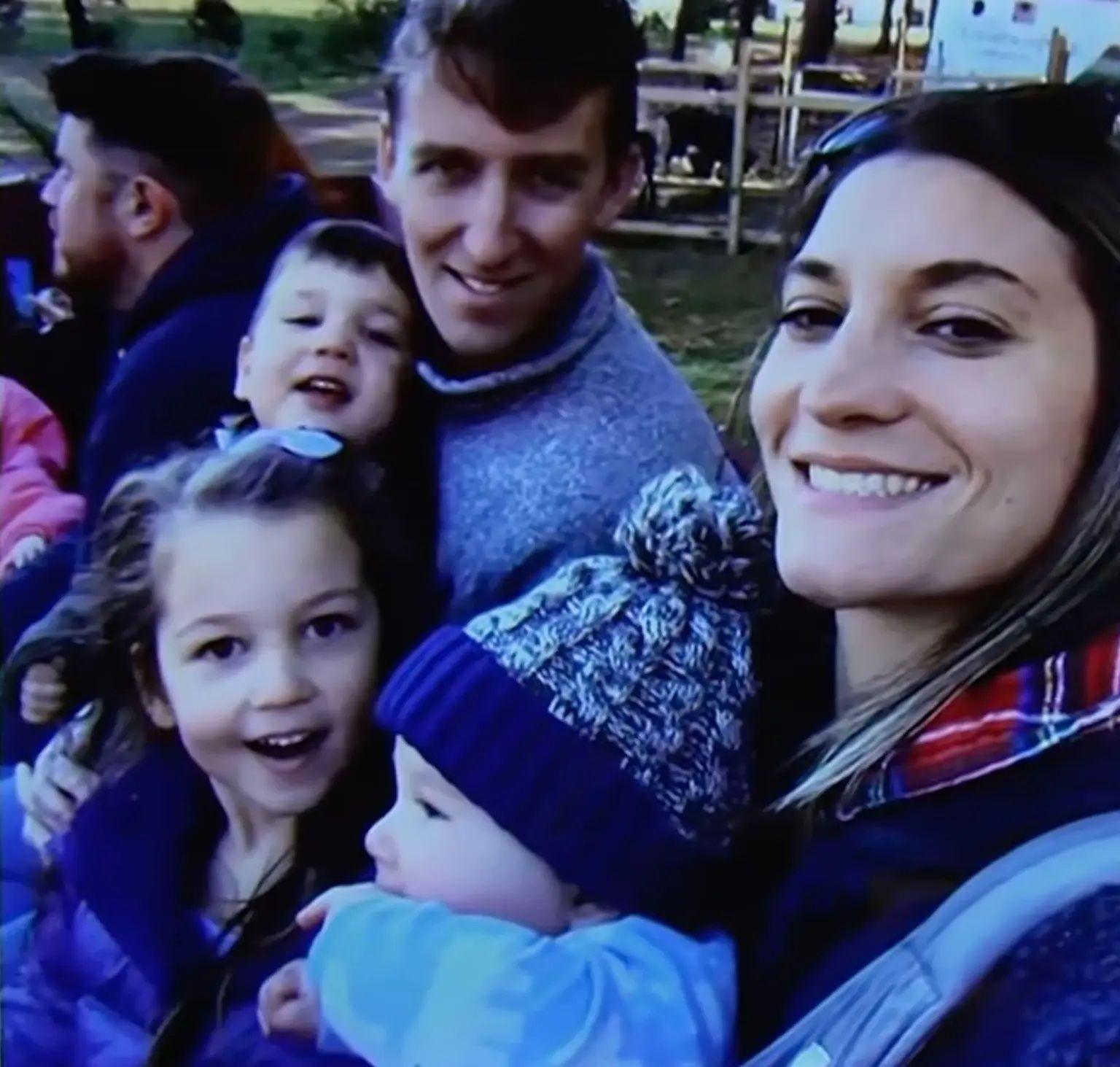
Clancy, a 36‑year‑old former nurse, is accused of strangling her three children, aged eight months to five years, in a Massachusetts house in 2023. She pleaded not guilty, arguing that postpartum psychosis impaired her responsibility for the murders. Her lawyer made a dramatic attempt to halt the mistrial by seeking a pause to file an emergency appeal, but the request was denied.
The case drew national attention, including a brief comment from President Trump who described the incident as a “horrible tragedy.” It also spurred a broader debate about postpartum mental health and the legal system’s capacity to address such conditions.
Clancy remains with the murder charges and is confined to a mental‑health facility while the court schedules a follow‑up hearing to consider next steps. For now, the outcome of her trial remains uncertain.