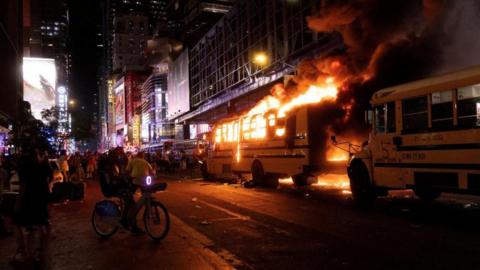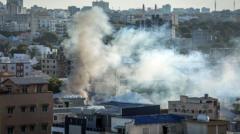
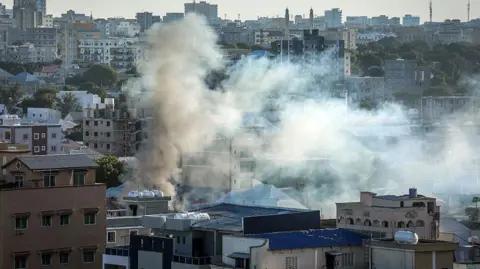
Government forces and opposition fighters exchanged heavy gunfire throughout the night of 14 June in Mogadishu, as tensions over an extended presidency reached a boiling point. The clashes were part of a broader protest movement that erupted after President Hassan Sheikh Mohamud’s six‑year term was extended by a year following his official expiry on 15 May.
The opposition argues that the extension was unconstitutional and demanded that protests be held to challenge the decision. Police later carried out a “large‑scale security operation” targeting “heavily armed militias who launched mortar attacks,” but many residents reported continuous gunfire across several neighbourhoods.
In the days after the term’s expiry, the Somali federal government and opposition leaders began talks that stalled, leaving the electoral window uncertain. Mohamud has been pushing for a shift towards democratic presidential elections, replacing the traditional clan‑based selection system that has governed the country for decades.
Former Prime Minister Hassan Ali Khaire said he had been targeted by government soldiers while preparing for Thursday’s “peaceful” demonstrations, accusing state forces of suppressing civic assembly. He added, "The responsibility for any casualties or damage lies with the president whose term has expired," he posted on X.
Former President Sharif Sheikh Ahmed, meanwhile, remarked that any violence would not deter planned protests, stating, "If the President and his soldiers think that we are afraid or that we will flee, we are not going to run away."
The United States embassy in Mogadishu labeled the violence as “reckless” and urged all leaders to preserve stability and resolve disputes through peaceful means.
The situation comes at a time when Somalia has not held a national election since 1969 and has endured protracted civil conflict for more than three decades. The conflict over extending Mozamb agreed to a new timeline that was set for a comprehensive vote to allow Somali citizens a genuine say in their government.
The ongoing unrest highlights the fragile nature of Somalia’s political transition and the urgent need for dialogue to calm simmering tensions. For further updates, follow BBC Africa on Twitter, Facebook, and Instagram.