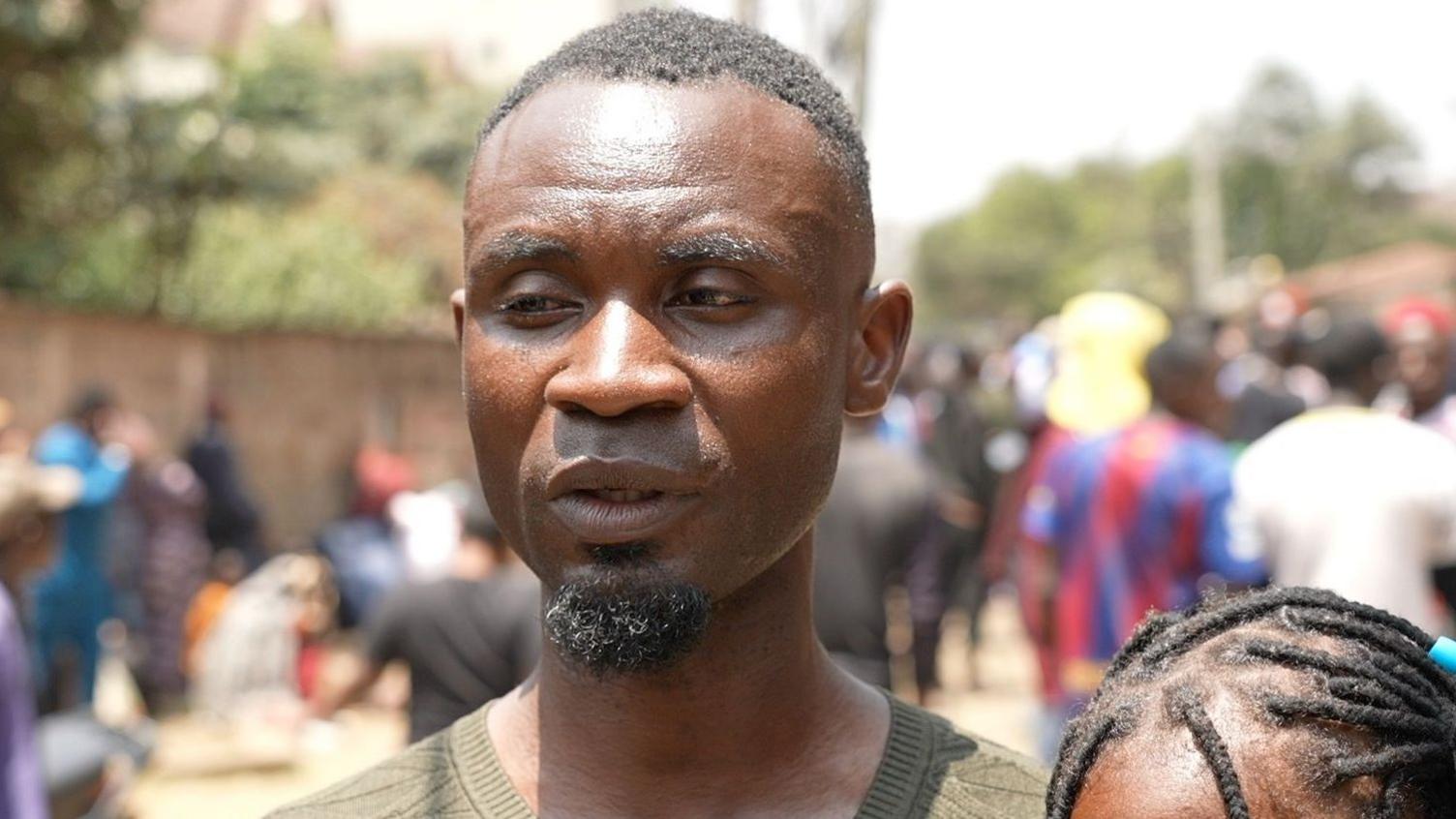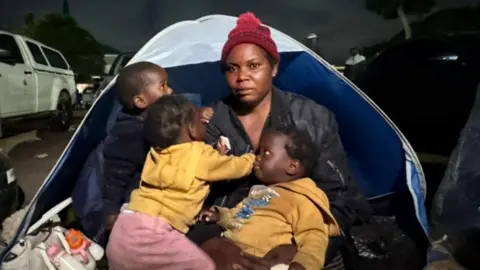
A group of South African men entered the informal settlement of Durban, holding machetes and whips, and told the 36‑year‑old Malawian woman Esnat Joseph and her family that they had to leave the country. She described how the men cut her husband’s neck, forcing him into a hospital. She expressed terror for her one‑year‑old triplets, saying, I am very scared and traumatised.
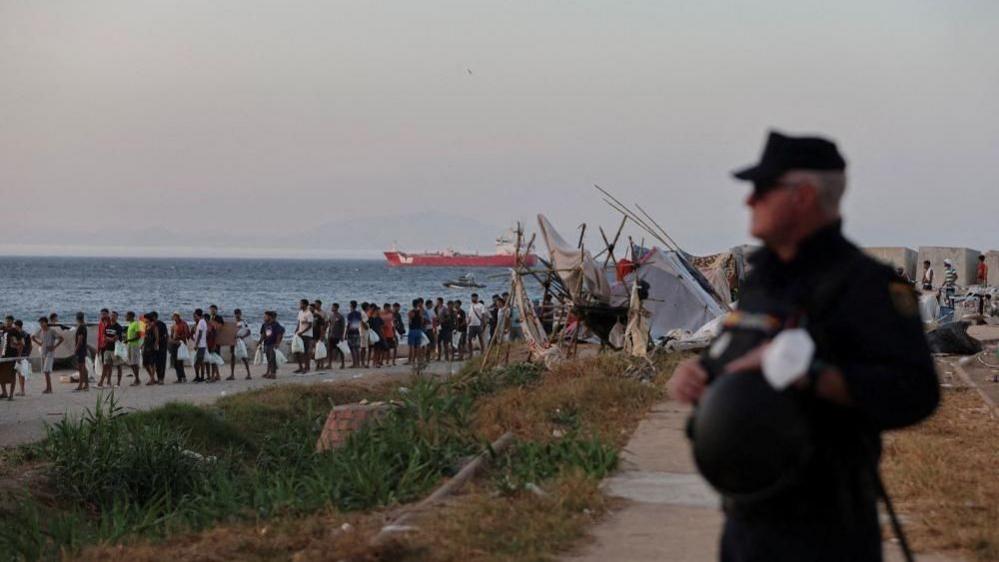
Up to 7,000 migrants, mostly from Malawi, gathered in an open field to seek blankets and food, and many claim that the intimidation of their homes has forced them to flee. This gathering follows a series of mostly peaceful demonstrations that began this year, with protest leaders chanting the Zulu phrase Mabahambe – meaning ‘They must go’ – and declaring 30 June as the deadline for undocumented migrants to leave the country.
South Africa’s president, Cyril Ramaphosa, has warned on several occasions that blaming migrants for the nation’s economic problems is unhelpful. In a recent address, he said that the government would act against any individuals or groups demanding proof of nationality in public spaces. He added that efforts would target employers who offer low pay to undocumented workers, and that reforms such as refusing asylum claims from those who have travelled through other safe countries and extending digital IDs to non‑citizens would be introduced.
While some political parties supported the deadline, others, like the United Democratic Front and the third‑largest party uMkhonto we Sizwe, opposed it but agreed that undocumented migrants should leave peacefully. Their spokesperson, Bonginkosi Khanyile, stated, They must leave our country peacefully without any violence or intimidation.
The situation has led to a growing sense of fear across the country. In Pretoria, a protester named Mecha Ramorola lamented that South Africans struggle to secure education for their children and to get elders into hospitals, citing a broader clash of resources. Similar sentiments were voiced by other migrants who described harassment from taxi drivers and on street in Cape Town.
The number of migrants in South Africa exceeds three million, representing about 5 % of the population and making the country a major destination for laborers from poorer neighbouring states. Yet the government argues that many of those lacking documents fled to avoid crime and are now forcibly returned through repatriation flights and buses in collaboration with consulates in Malawi, Mozambique, Nigeria, and Zimbabwe.
The protests have frightened several refugees who are already living in South Africa with legal status. One Burundian mother described being camped outside the Home Affairs office and feeling “if you pass by here, you are insulted.” She added that her children experience the same humiliation in schools.
The government’s Operation New Broom has seen the demolition of informal shops in Johannesburg under the claim that they are crime hot‑spots and a haven for illegal migrants, drawing further ire from Ethiopian and other international migrants who view their destruction as persecution.
Despite the violence concerns, some migrants have already left the country. A bus departed on Sunday carrying thousands of Malawians, and the crowd celebrated the departure with Zulu chants of Siyahamba – meaning ‘We’re leaving.’ They hope to return to home countries by the end of 2024.