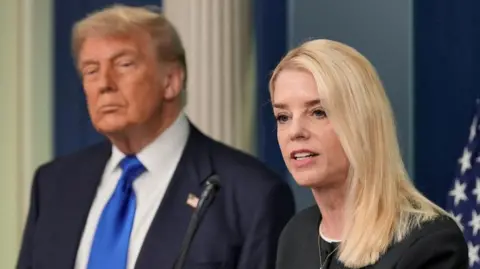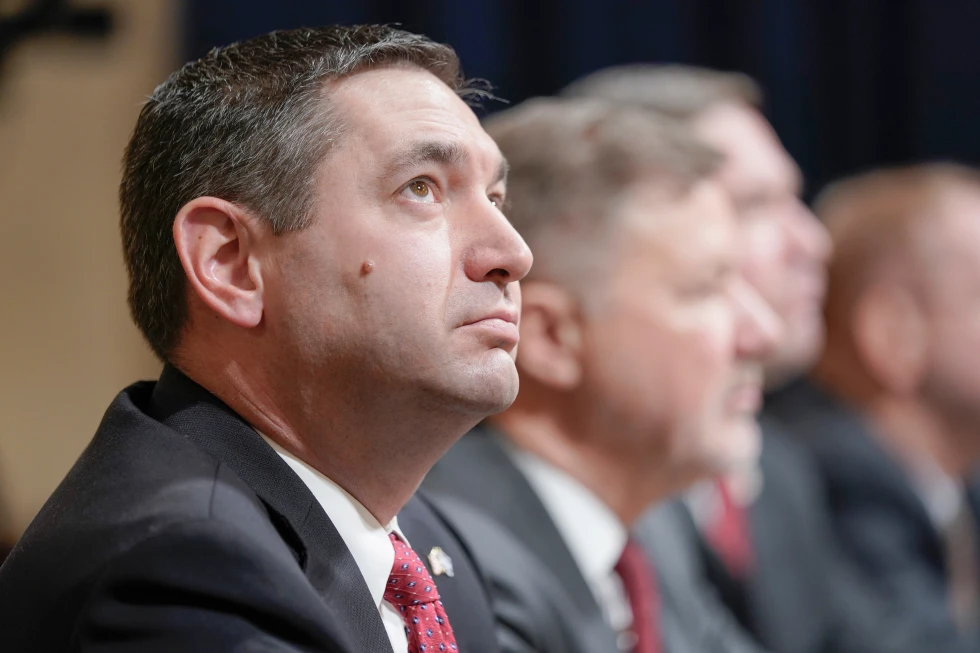
The state of Montana is investigating its capital city, Helena, following allegations that the city has violated state law regarding cooperation with federal immigration enforcement. Attorney General Austin Knudsen, appearing alongside Governor Greg Gianforte, criticized Helena's resolution that prohibits local police from assisting immigration officials, framing the city’s actions as a defiance of state law.
Knudsen stated, “The city of Helena does not make state law,” emphasizing that if city officials disagree with state regulations, they should seek to change them through the legislature rather than defy them. A special city commission meeting is scheduled for March 26 to discuss potential amendments to the resolution.
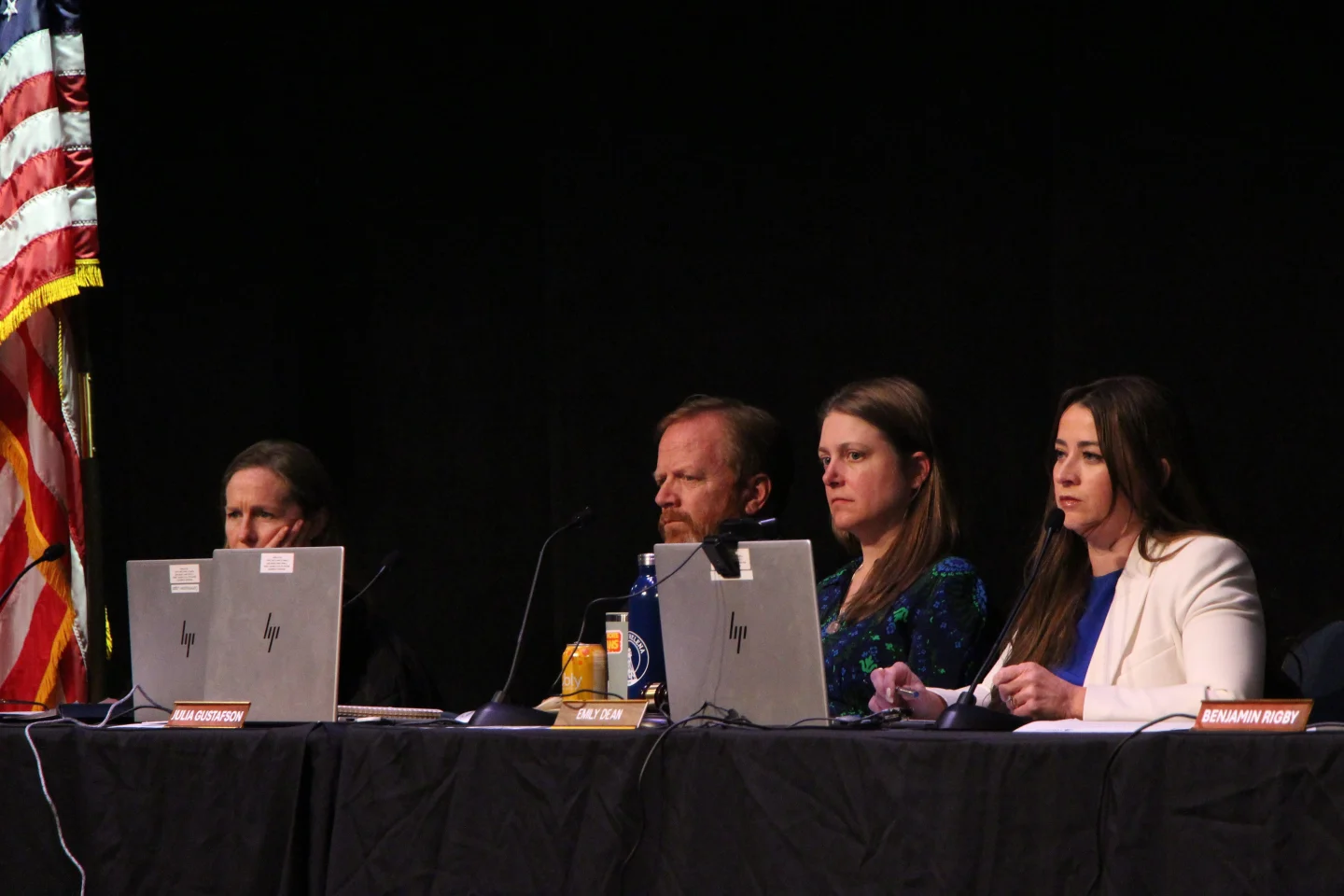
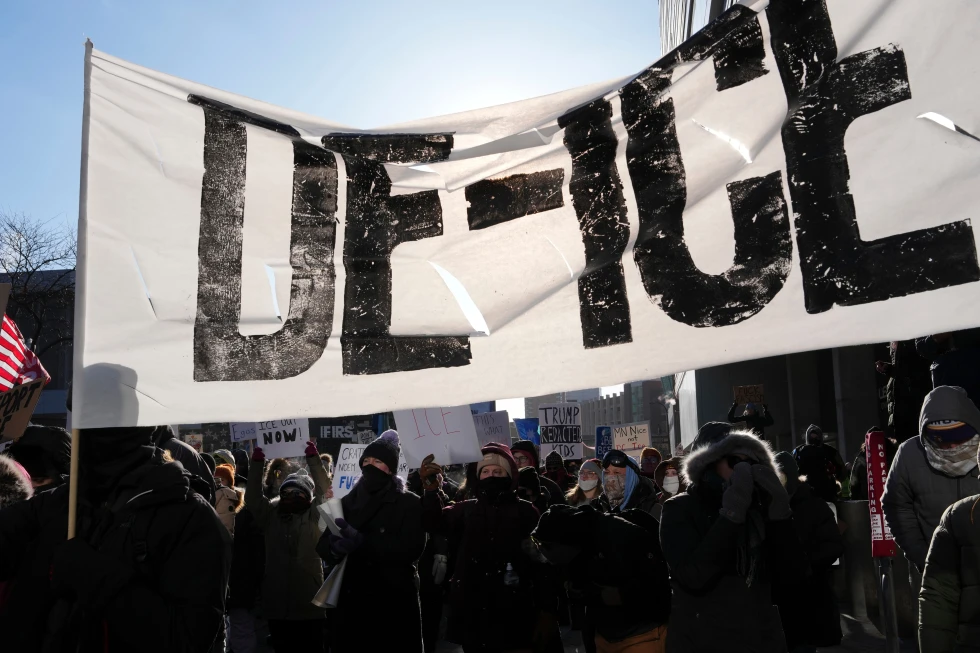
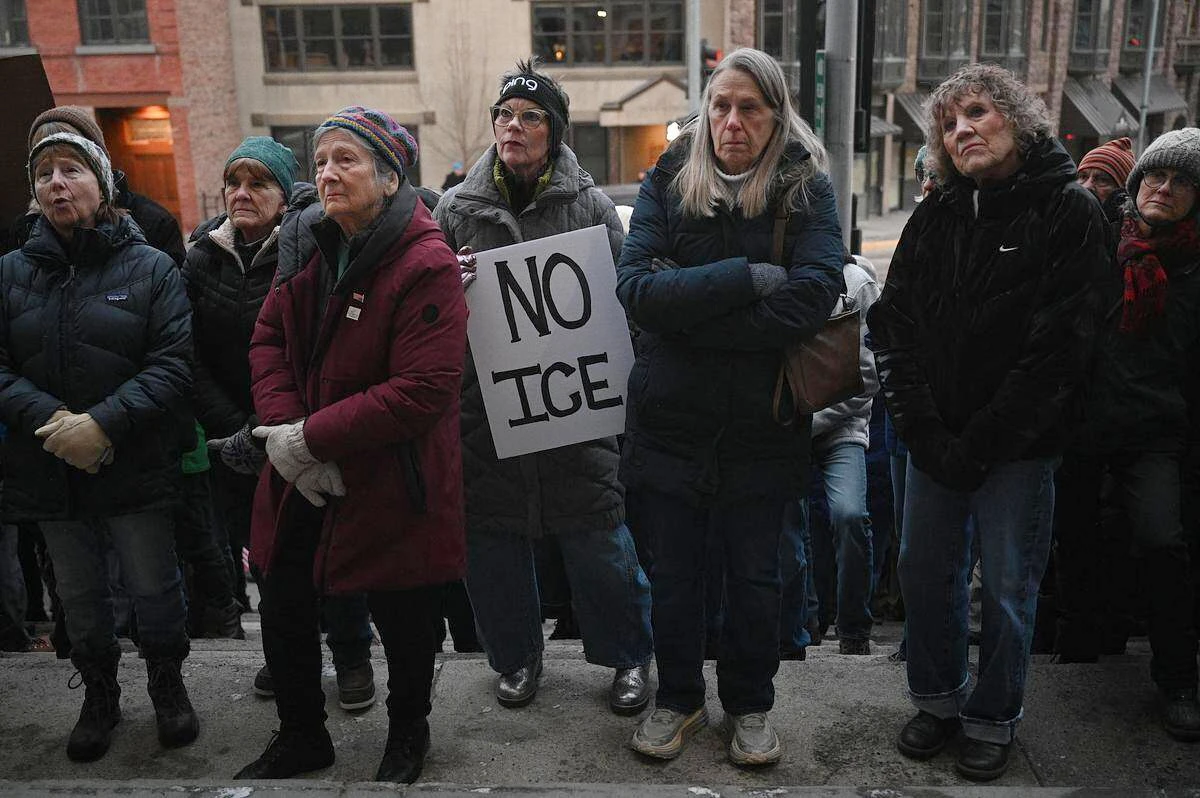
City officials are feeling the heat from local residents, many of whom support the decision to limit police cooperation. Helena Mayor Emily Dean has invited Knudsen to engage directly with city leaders a week before a crucial discussion on the subject. This public pressure comes as the Helena city attorney suggested that withdrawing the resolution might be among the options, alarming some activists.
Activists argue that this struggle extends beyond immigration policy; it highlights the broader issue of local governance autonomy. The conflict is a reflection of tension between state and local powers, and how laws imposed by the state may not align with the values of municipal populations.
Helena's population is predominantly native-born, with only about 2% being foreign-born, making the immigration issue contentious despite its small scale within the state. As Montana's legislature aims to limit what they term 'sanctuary policies', former officials have pushed back, arguing that the state's approach seems politically motivated.
Marc Racicot, a former state governor, characterized the state's actions as 'political theater' while also emphasizing that the publicized investigation could intimidate other cities from considering similar resolutions. The Helena City Commission's upcoming decisions are being closely monitored statewide, as they may set a precedent for local autonomy in immigration enforcement.
Ultimately, the situation reveals the complexities of immigration policy in a primarily rural state like Montana, where local officials seek to exercise discretion contradictory to state mandates. As the investigation progresses, the future of Helena’s resolution and its implications for local governance remain uncertain.