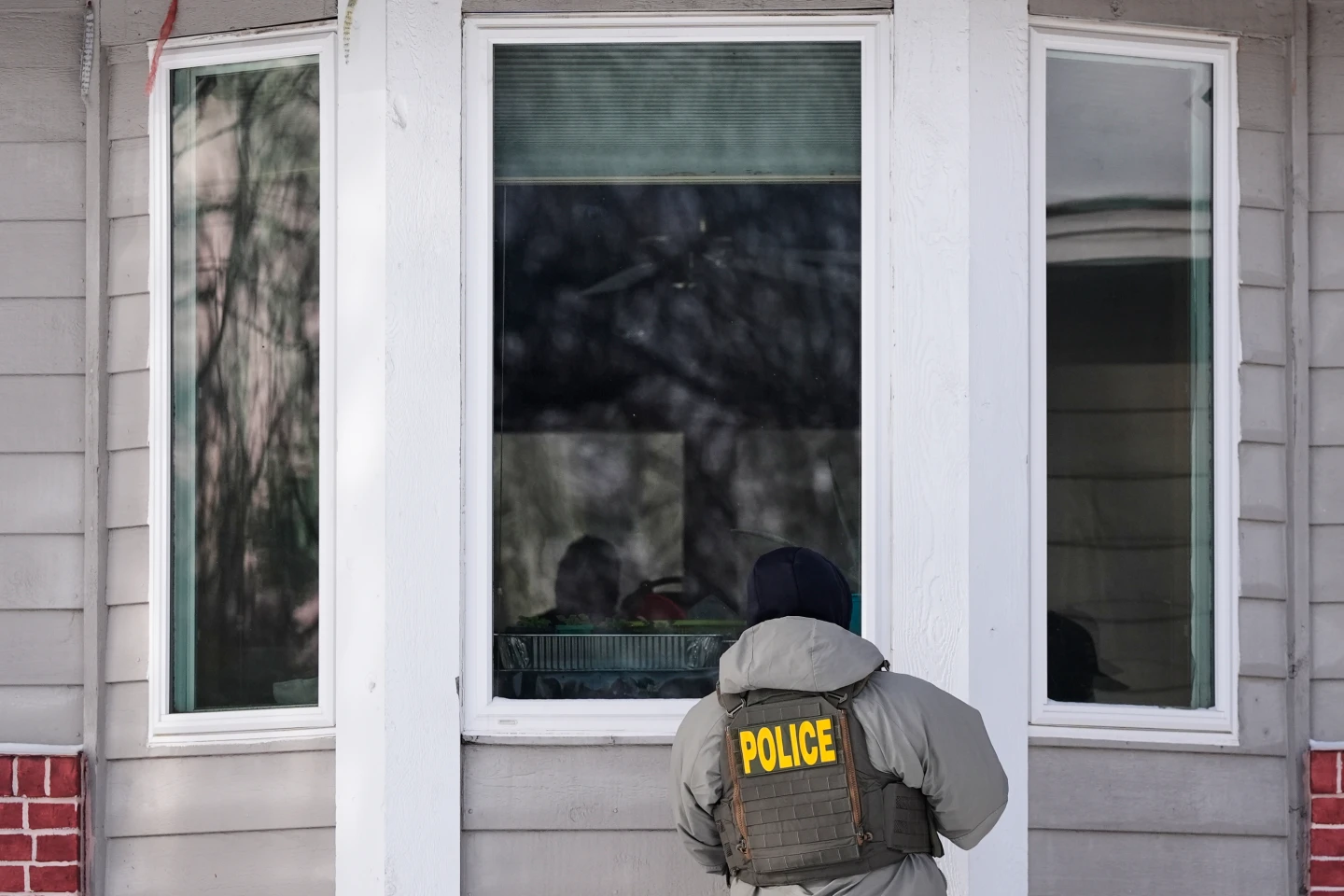
MINNEAPOLIS (AP) — Legal disputes are intensifying in Minnesota as confrontations between federal officers conducting a significant immigration operation and local officials show no signs of waning. Federal prosecutors issued grand jury subpoenas on Tuesday to Minnesota Governor Tim Walz’s office along with five other key state officials as part of an investigation seeking to determine whether they hindered federal law enforcement efforts.
The subpoenas have been given to Attorney General Keith Ellison, Minneapolis Mayor Jacob Frey, St. Paul Mayor Kaohly Her, and additional officials in Ramsey and Hennepin counties. Sources familiar with the matter confirmed this information under condition of anonymity, given the investigation's sensitivity.
These developments follow a day after the federal government asked a judge to dismiss efforts aimed at curtailing the immigration enforcement surge that has unsettled communities in Minneapolis and St. Paul for several weeks. The Justice Department criticized the state’s lawsuit, initiated shortly after the tragic shooting of Renee Good by an immigration officer, labeling it as “legally frivolous.” Ellison contends the federal government is infringing upon constitutional rights including free speech.
Local sentiment has been exacerbated by the subpoenas. Mayor Frey criticized them as tactics intended to incite fear, suggesting they aim to suppress local dissent regarding federal immigration policy. The Governor echoed concerns that the Trump administration is misusing law enforcement to create distractions from pressing issues.
During the last year, U.S. Border Patrol reported over 10,000 arrests of individuals in the U.S. illegally in Minnesota, including 3,000 in a recent operation. However, community advocates express frustrations over the lack of transparency surrounding the arrests, questioning the validity of the reported figures.
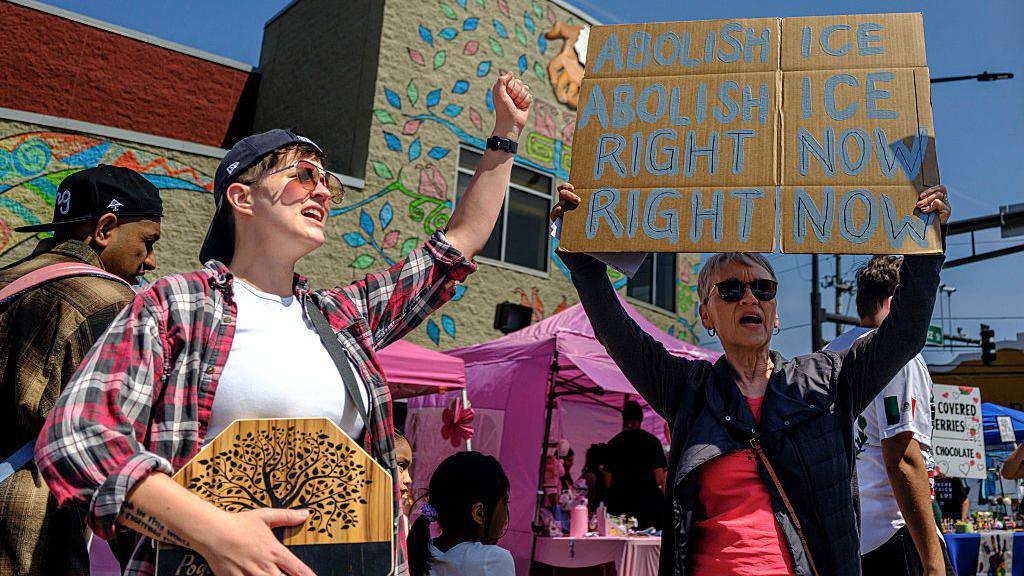
Controversy heightened following the death of Renee Good, which has led to an outpour of public backlash against immigration officers, resulting in protests where community members confronted federal agents. Videos surfaced depicting aggressive tactics used by law enforcement, including the deployment of tear gas against demonstrators.
In a notable incident, a protest targeting ICE was held within a Minnesota church, which raised legal and ethical concerns. The church leadership condemned the protest as an unlawful invasion, while certain activists called for the resignation of an involved church leader affiliated with ICE.
The tensions illustrate a growing divide between community perspectives on immigration enforcement and federal policy, marking a fractious period in regional dynamics as investigations and community reactions unfold.