Myanmar's Controversial Elections: A Veil Over Dictatorship
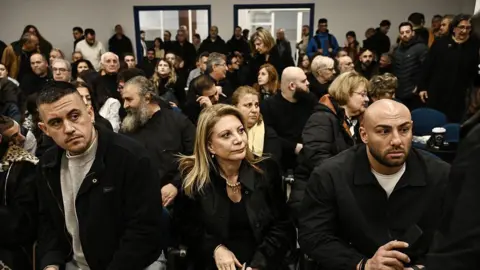
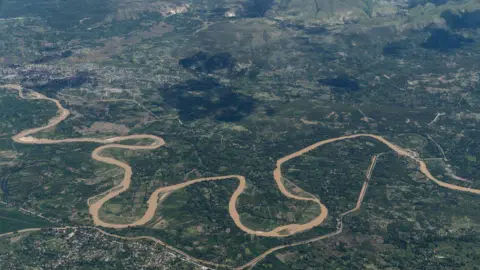
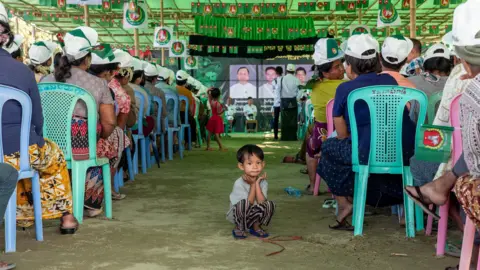
On a patch of rough ground near the Irrawaddy River in Mandalay, retired Lieutenant-General Tayza Kyaw, a candidate for the military-backed Union Solidarity and Development Party (USDP), strives to ignite enthusiasm for his campaign. But as he addresses a small crowd of supporters, the context highlights a much more somber reality. Many attendees are families affected by natural disasters, clutching promotional materials while remaining indifferent, and some even falling asleep in the stifling heat. In this climate of uncertainty, hope seems fleeting.
The Myanmar elections set for December 28 represent the first opportunity for citizens to cast their votes since the military coup that sparked a devastating civil war nearly five years ago. However, criticisms abound as the polling is being labeled a sham. The National League for Democracy, the leading political party, has been dissolved, and its leader, Aung San Suu Kyi, remains imprisoned.

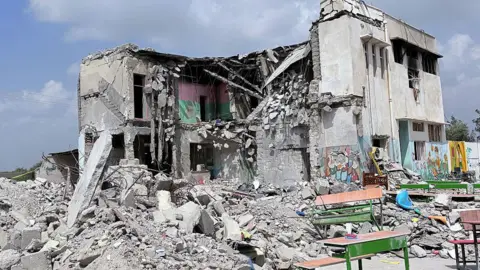
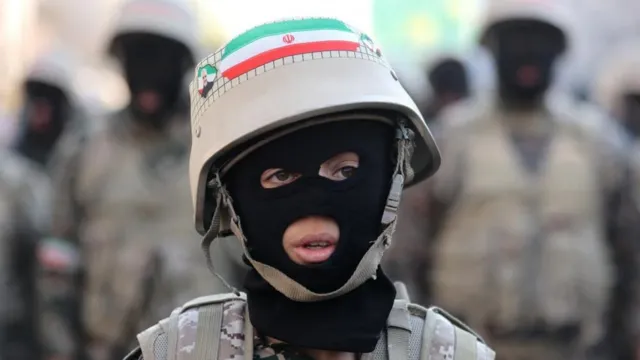
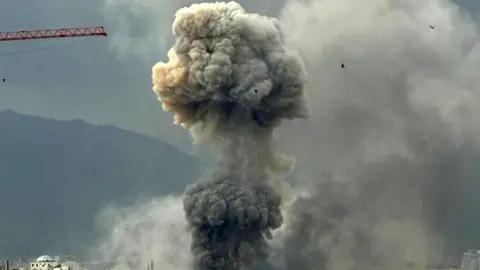
A large portion of the country still engages in armed conflict, and voting will not even occur in many war-affected regions. Reports illustrate an environment riddled with fear and intimidation, where individuals expressing dissent risk brutal consequences.
A 'Sham' Election
Some observers have described the upcoming election as a farce. With the dissolution of the NLD, significant portions of the electorate feel disenfranchised. Only a handful of parties remain to challenge the military. Voter turnout remains uncertain, with many from the previous elections struggling to muster motivation for what seems like a coerced participation.
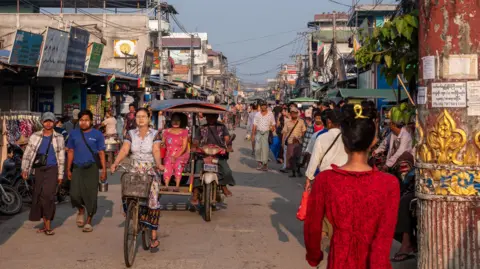
During a rally, when journalists attempted to interview attendees, they were met with reluctance and fear of reprisal. The presence of military intelligence officers left many feeling unable to speak freely. Shockingly, the public mood was echoed in conversations at local markets, with people fearing repercussions for voicing their opinions about the military's grip on power.
Fear and Desperation
Even amidst oppressive conditions, some individuals are courageously willing to share their discontent, admitting that the election feels like a hollow process devoid of hope or free expression. A woman at a market conveyed her despair: This election is a lie. Everyone is afraid. Everyone has lost their humanity and their freedom. Although she resolved not to vote, she acknowledged the risks inherent in defying the regime.
Legislation implemented by the junta prohibits any speech or expression perceived as a protest against the electoral process, further tightening the noose around civil liberties. Opposition figures have faced severe criminal charges for voicing dissent, yielding an increasingly fearful population reluctant to engage politically.
Struggles Amid Election Preparations
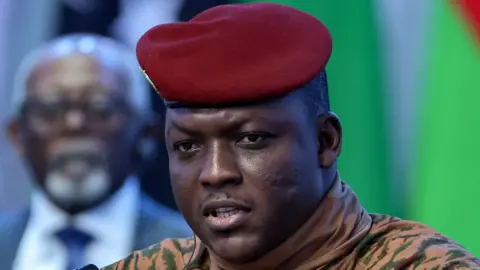
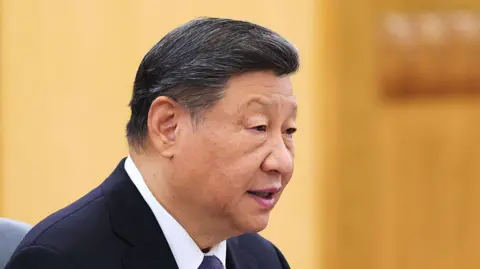
Despite the chaotic climate, General Min Aung Hlaing, the junta leader, appears optimistic about the election's outcome—believing it may lend a facade of legitimacy his rule has long lacked. Support from nations such as China suggests a complex geopolitical strategy surrounding the election, as regional powers show an interest in stabilizing Myanmar’s governance.
Yet, with ongoing conflicts in many regions, negotiating a path that leads to a stable and democratic future remains improbable. A young man in a village, familiar with the local armed groups, lamented the pervasive violence and lack of compromise among the conflicting factions. Everyone here has taken sides in this conflict… no one is ready to compromise, he explained.
A Fragile Hope
In a country that has witnessed the tumult of civil unrest and the disintegration of civil society, the upcoming election serves as a litmus test of public sentiment under military rule. A sentiment echoed by many: “We will vote, but not with our hearts.” As Myanmar stands on the precipice of political change, the world watches closely, knowing that the hopes for democracy and peace hang in a delicate balance.