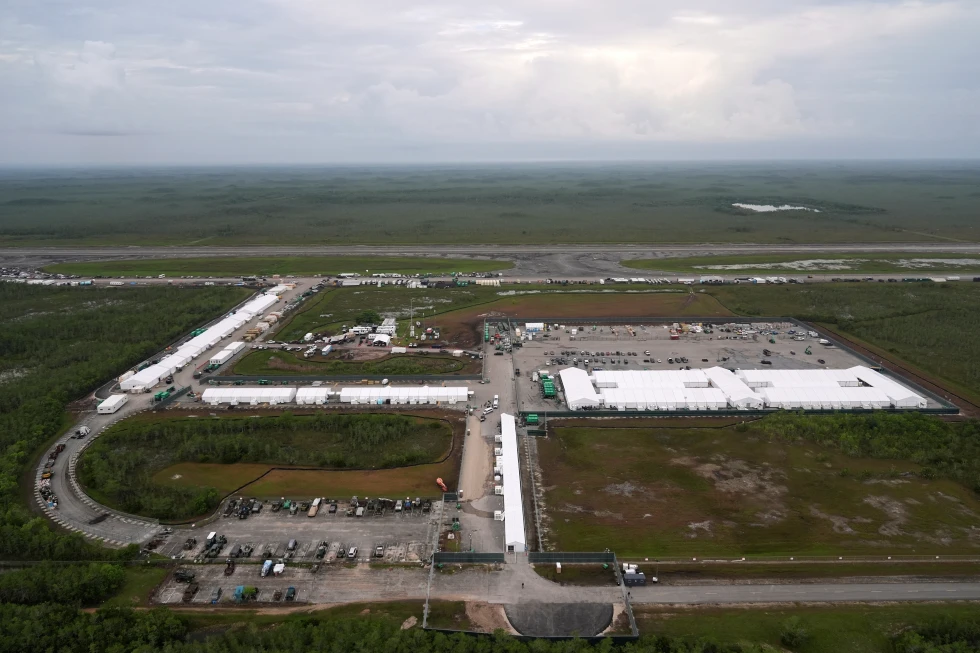
MIAMI (AP) — Felipe Hernandez Espinosa spent 45 days at an immigration holding center in Florida—conditions described as Alligator Alcatraz. Detainees report serious health threats, including food infested with worms, malfunctioning toilets, and rampant insect infestations.
Currently held at the Fort Bliss Army base in El Paso, Texas, Hernandez has been detained for five months. He noted that the conditions there mirror the previous facility where, tragically, two migrants died in January. Struggling with uncertainty, Hernandez has requested to return to Nicaragua, yet was informed he must wait for a judge's decision. His upcoming hearing is scheduled for February 26, nearly seven months after he was first detained.
Prolonged detention times for immigrants have sharply increased during President Donald Trump’s second term, primarily due to policies that restrict immigration judges' ability to release detainees while their cases are pending.
“I came to this country thinking they would help me, and I’ve been detained for six months without having committed a crime,” Hernandez stated during a phone interview from Fort Bliss. “It has been too long. I am desperate.”
The Supreme Court ruled in a 2001 decision that indefinite detention is unconstitutional, establishing six months as a reasonable cap. However, as the number of detainees exceeds 70,000, many individuals are held without resolution for far longer, with over 7,000 in custody for at least six months.
Human rights advocates are raising concerns about the treatment of detainees and the growing number of individuals languishing in facilities, some of whom have already obtained protective status from refoulement but remain confined.
Hernandez, who has allergies requiring a gluten-free diet, claims his dietary needs have been ignored. After his release request meetings were canceled several times, he remains uncertain of what lies ahead, fearing for his life if he returns to Nicaragua.
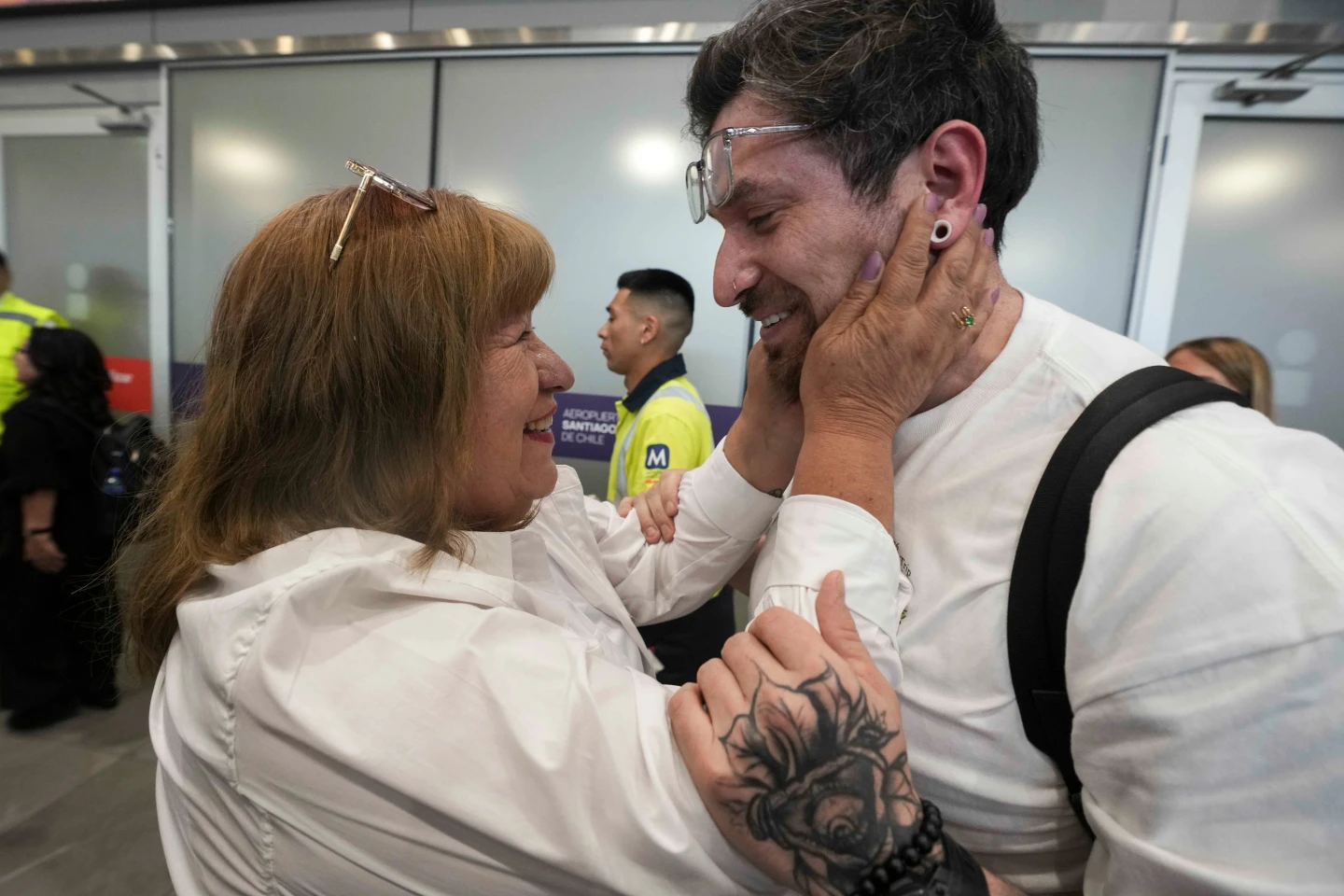
Other detainees facing similar circumstances include individuals who have married and become parents during their time in custody, amplifying the emotional toll on families and loved ones waiting outside.
This ongoing crisis showcases the flaws within the immigration system, where legal processes, backlogged courts, and conditional supports undermine the rights and dignities of those seeking asylum.