In brief
NASA has launched a robotic rescue mission to snag the Swift space telescope, which is losing altitude due to solar‑driven atmospheric drag. The custom-built LINK craft, powered by thrusters and equipped with three robotic arms, will secure the telescope and lift it into a more stable orbit. The mission, led by Katalyst Space Technologies, represents the first attempt at large‑scale commercial satellite servicing and carries significant technical risks. If successful, it could pave the way for future missions to recover even more valuable assets such as the Hubble Space Telescope.
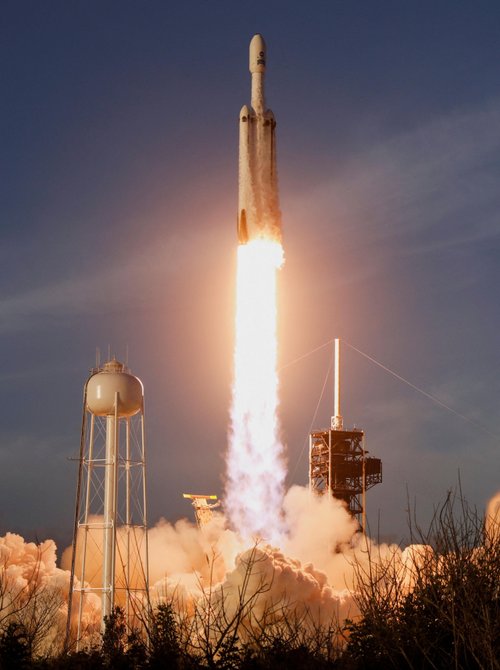
A NASA‑funded spacecraft has been dispatched into orbit to intercept the Swift observatory, which is falling toward Earth because of atmospheric drag caused by heightened solar activity.
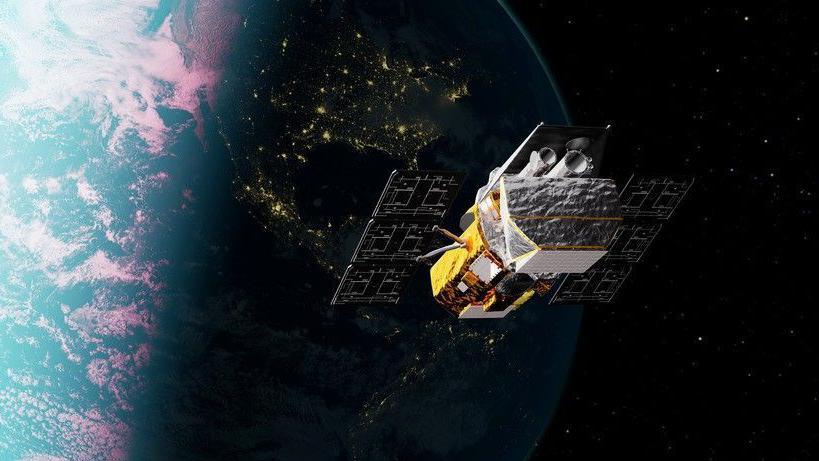
Swift, a gold‑coloured telescope launched in 2004, originally sat in a 373‑mile orbit. Over the past two years its altitude has dropped to about 220 miles, bringing it below the 186‑mile threshold where rescue becomes impossible.
The rescue vehicle, named LINK, is a three‑armed robotic craft built by Katalyst Space Technologies. It will approach the telescope slowly, use its cameras and sensors to locate the correct attachment point, and then deploy its arms to secure Swift.
Once attached, LINK will fire its thrusters to lift Swift to its original 373‑mile orbit, providing a stable environment for continued scientific observations of gamma‑ray bursts and other high‑energy phenomena.
The mission is unprecedented in scale and complexity, and success could inspire similar rescue operations for other aging satellites such as the Hubble Space Telescope.
Stay tuned for updates as LINK begins its approach and prepares to grip the valuable observatory.