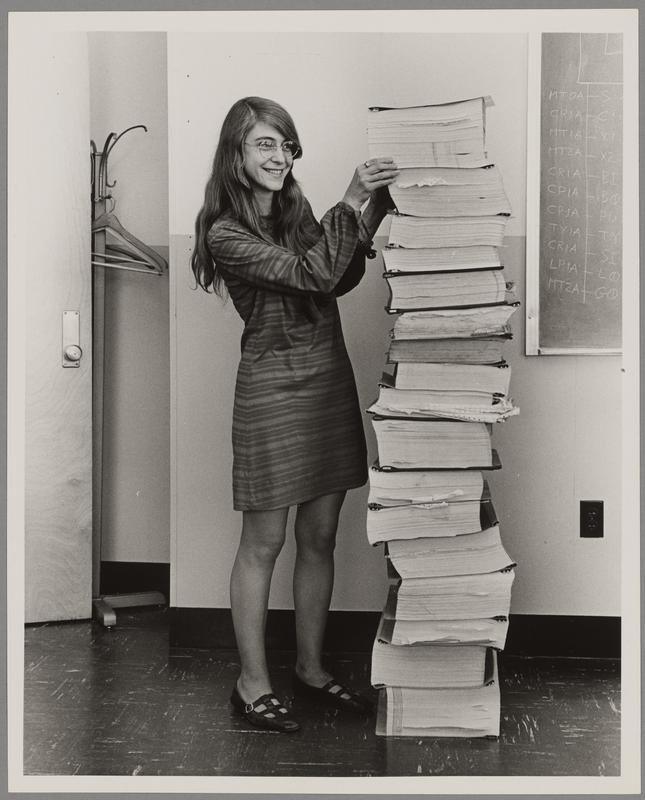
Margaret Hamilton, the computer scientist who coined the term software engineering and whose code kept NASA’s Apollo missions on course, has died at 90.

Hamilton led the team that wrote and tested the on‑board software that guided Neil Armstrong and Buzz Aldrin safely to the Moon in 1969. When a critical error flagged on the flight computer weeks before the landing, her team’s priority‑driven software cut non‑essential processes, allowing the vital navigation program to finish its calculations.
In recognition of her pioneering work, President Barack Obama awarded Hamilton the Presidential Medal of Freedom in 2016, calling her a symbol of the generation of unsung women who helped send humanity into space.
Born in Indiana in 1936, Hamilton earned a bachelor’s degree in mathematics from Earlham College and joined MIT in 1959. She headed MIT’s Software Engineering Division for fifteen years, later founding her own software companies.
Hamilton’s legacy extends beyond spaceflight. As one of the first women to work in a technical field, she paved the way for countless engineers. The software principles she established remain core to modern development practice.
She is survived by her daughter, son‑in‑law, two grandsons, and four great‑grandchildren.