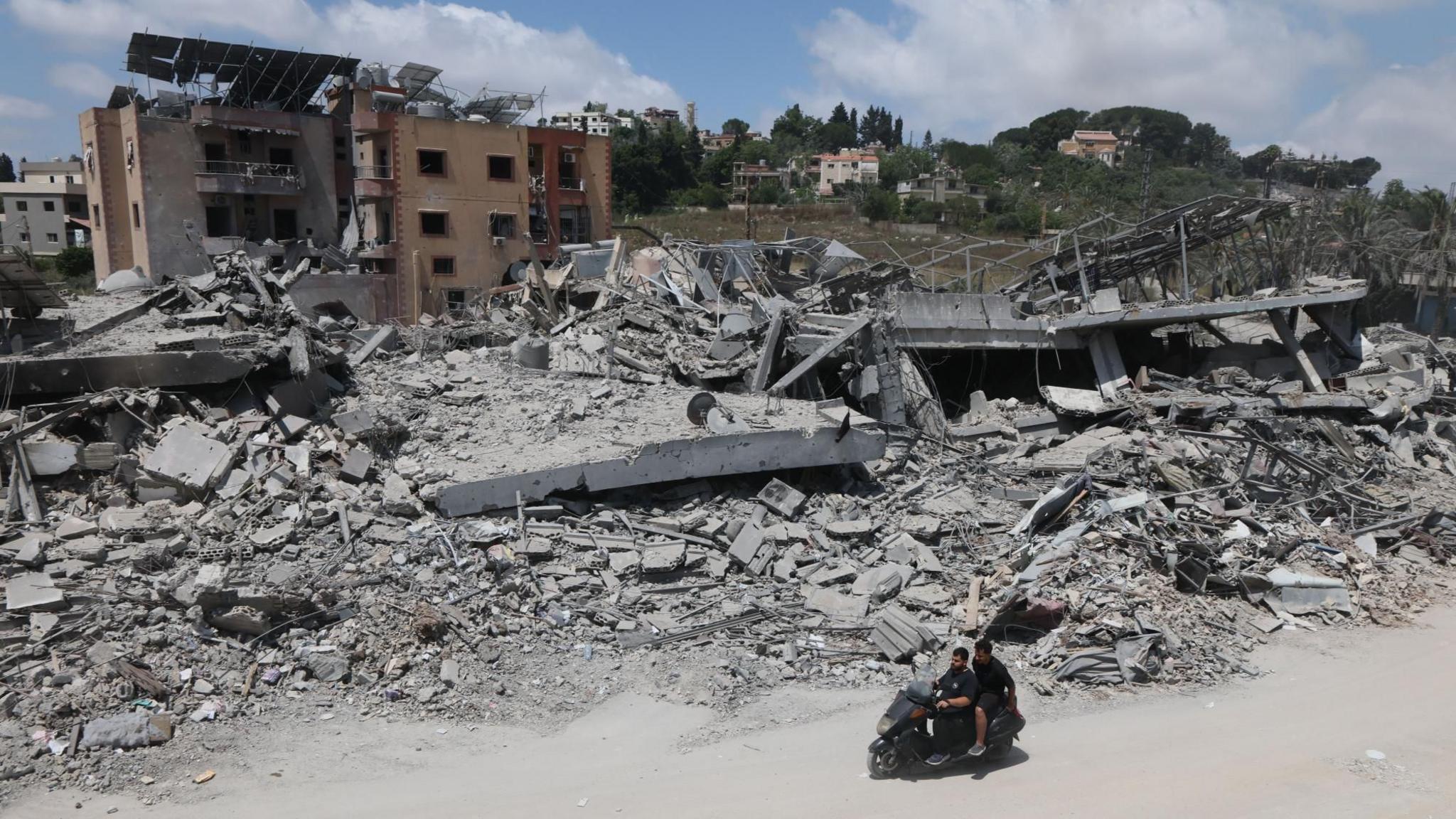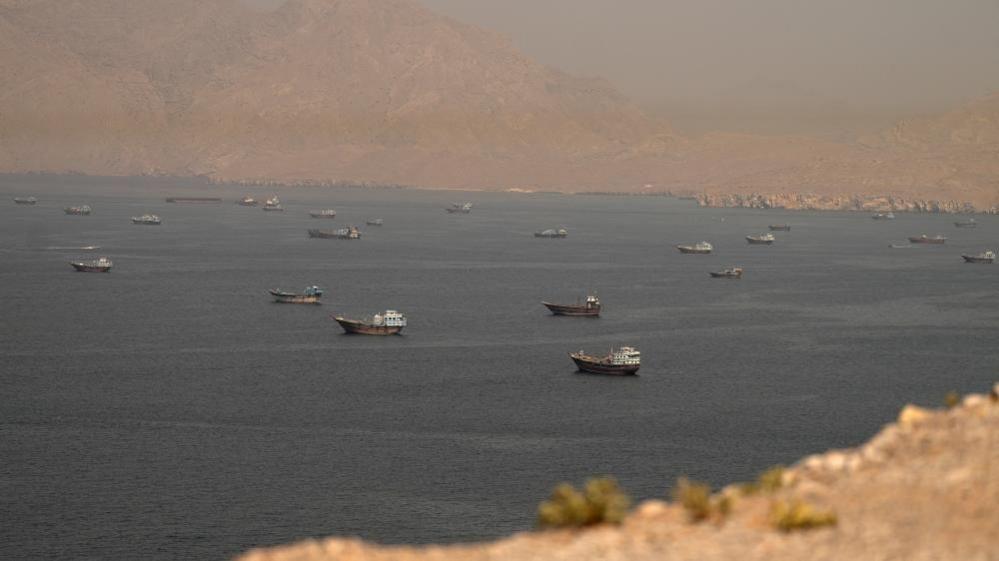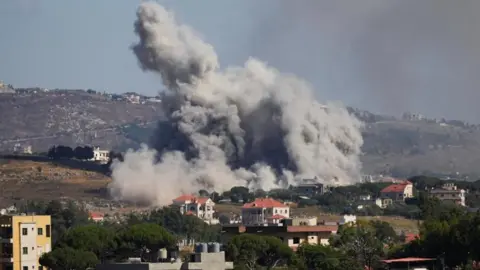
For the last fortnight, as drones and missiles have whistled through the skies above Iran and the Gulf, air traffic controllers have been shepherding passenger jets through safer but congested airspace on the edge of the war.
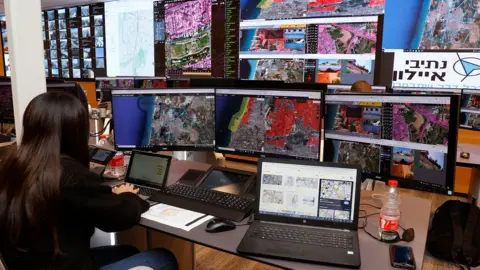
A glance at a flight tracker map shows how busy Egypt and Georgia have become. Working side-by-side, each controller looks after a different section of the map, coordinating with colleagues which planes are entering and leaving their airspace.
On a normal day, an individual controller might manage six aircraft in their area at a time. But in times of conflict, it could be double that. The brain can only give that amount of concentration at that level of intensity for 20-30 minutes, says retired air traffic controller Brian Roche.
During busy periods, additional controllers are brought in to manage increased aircraft volume in specific areas and rotations are more frequent to prevent overwhelming them. Normally, shifts would be 45-60 minutes long with 20-30 minutes off; but during conflict times, controllers will likely only work for 20 minutes at a time, alternating with equal breaks.
The 2014 downing of Malaysia Airlines MH17 by a missile in eastern Ukraine serves as a sobering reminder of the dangers faced by commercial airliners in conflict zones.
Effective communication is critical—controllers must coordinate with pilots regarding fuel, alternative airports, and ensure horizontal and vertical separation among various aircraft sizes to mitigate turbulence risks.
As pilots like John, who has 20 years of experience, emphasize, routine planning is essential to safely navigating airspace and avoiding conflict zones. He notes, We all knew that there was something brewing in the Middle East... it was a matter of when - not if. This preparation helps pilots maintain calm in the cockpit, which they communicate to cabin crews and passengers.
Cabin crew members like Hannah, who regularly fly over the Middle East, highlight their roles as vital in managing anxious passengers during turbulent times. So many people forget the safety aspects of our role... Serving is what we do when everything else is under control, she states.
Amid the chaos, air travel continues with adjustments to ensure passenger safety while industry professionals navigate an ever-shifting geopolitical landscape.