In brief
The political landscape in Hungary is shifting as Prime Minister Viktor Orban faces the strongest challenge to his 16-year rule. With recent polls showing a rise in support for the opposition Tisza party, led by Peter Magyar, the upcoming April election could mark a significant turning point for the nation. As Orban's government has been accused of corruption and mismanagement, the election is seen as a referendum on his administration's policies and alliances, including his controversial stance on Ukraine and Russia.
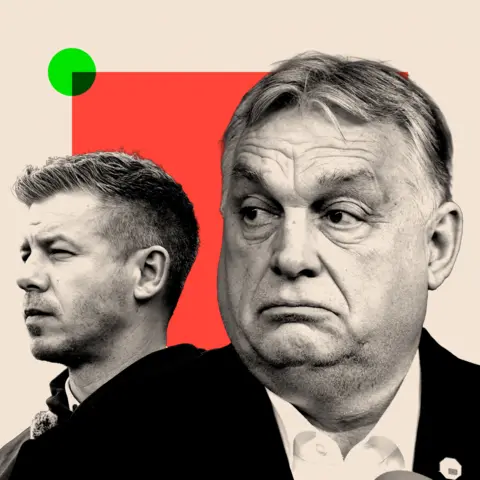
All they stand for is anger, hatred, and destruction, roared a hoarse Viktor Orban. The Hungarian prime minister was speaking at a mass election rally in Györ, referring to opposition protesters who chanted Filthy Fidesz during his speech. This outburst revealed a vulnerable side to the leader, who has been in power for 16 years and is facing a formidable challenge before the April 12 parliamentary election.
Recent opinion polls indicate that the opposition Tisza party, led by Peter Magyar, is ahead of Orban’s Fidesz, with predictions showing 58% support for Tisza compared to 35% for Fidesz. In an effort to close this gap, Orban has ramped up his campaign activities, engaging in rallies that he had previously downplayed in recent elections.
Orban's government has been criticized for corruption and nepotism, with allegations that state funds have been funneled to allies and family members. Projects benefiting close associates have sparked outrage among voters, and many see the Fidesz party as emblematic of the corrupt elite in Hungary.
The stakes are high, as a defeat for Orban could have repercussions beyond Hungary. It would challenge the narrative of nationalist movements across Europe and could trigger a wave of anti-establishment sentiment in neighboring countries. This sentiment is echoed in Magyar’s campaign, which focuses on restoring dignity and effective governance for rural voters feeling neglected under Orban's administration.
The election is expected to be marred by allegations of voter intimidation and vote-buying, raising questions about the legitimacy of the process amidst accusations of heightened pressure from the ruling party to mobilize their base.
As this political drama unfolds, the key question remains: can Orban maintain control of Hungary or will the tide turn against him?