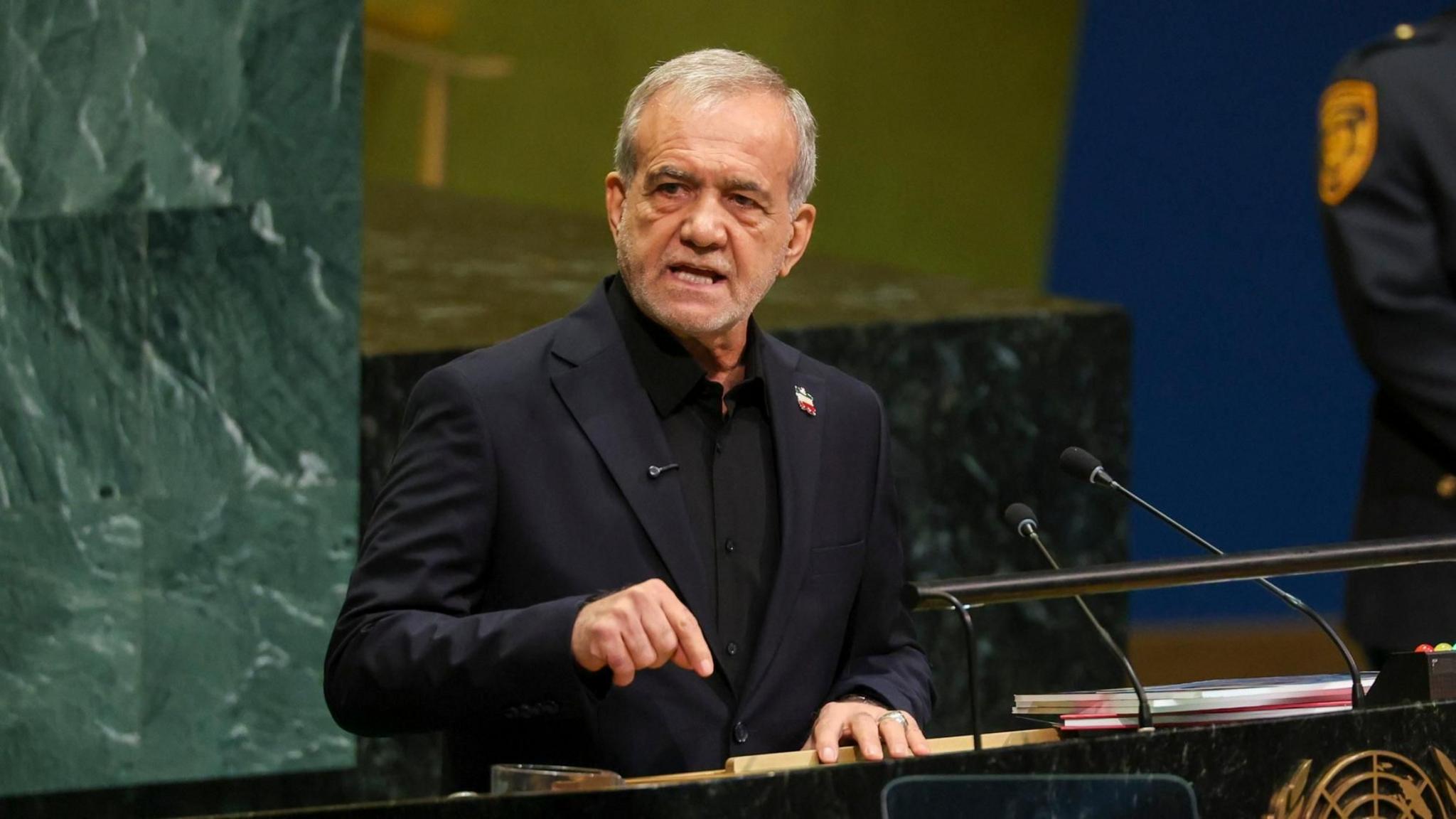
Prime Minister Benjamin Netanyahu, the long‑serving head of Israel, spoke at the United Nations General Assembly in Washington, D.C., on 24 September. The address was intended to outline Israel’s positions on a range of security issues, from Tehran’s nuclear program to ongoing hostilities in Gaza. It was delivered while an arrest warrant had been issued by the International Criminal Court (ICC) for alleged war crimes.
The ICC, headquartered in The Hague, issued the warrant in 2023, citing alleged violations committed during Israel’s operations in the Gaza Strip. Technically the warrant applies anywhere the ICC’s legal reach extends, but it does not automatically translate into arrest at every foreign border. Israeli diplomatic staff in the U.S. maintained that procedural safeguards and the principles of international law—particularly diplomatic immunity—prevent such an arrest during official visits.
In practice, the rules surrounding ICC warrants are complex. The court’s legal framework allows states that are party to the Rome Statute to arrest suspects, but only with cooperation from the suspect’s home country. Because Israel is not a signatory to the treaty that instituted the ICC, the warrant carries limited direct authority across international borders. Nations can provide assistance, but they are not obliged to act against Israeli officials, especially those on a diplomatic mission.
From a diplomatic perspective, the U.S. has historically offered strong support for Israel, often prioritising bilateral security arrangements over third‑party legal actions. While Washington has occasionally voiced concerns about alleged war crimes, the practical implications of acting on an ICC warrant during a visit by Israel’s prime minister remain untested. The U.S. government reiterated its commitment to the guidance of international law while simultaneously underscoring the strategic importance of the U.S.-Israel relationship.
International reactions were mixed. Some European lawmakers urged that the ICC’s obligations be respected in all circumstances, stressing that the global rule of law should transcend domestic politics. Others, including certain Turkish and Egyptian officials, echoed the view that security dynamics in the Middle East override extraterritorial legal claims. The lack of a coordinated enforcement mechanism, and the reliance on national governments to act on ICC warrants, left the issue largely political.
The future may see increased scrutiny if other leaders face similar situations. The ICC has suggested that the international community could tighten rules on diplomatic immunity to address coercive jurisdictions, but no concrete reforms have been adopted. As of now, Netanyahu’s trip serves as a case study illustrating how international legal pressures can interact with established diplomatic protocols.