In brief
In response to a fatal midair accident and recent near-misses, the Federal Aviation Administration (FAA) has established new guidelines that require air traffic controllers to utilize radar for managing helicopter and airplane traffic at over 150 major airports. This shift from visual checks aims to significantly improve safety, with a particular focus on busy airports like Ronald Reagan Washington National Airport. FAA Administrator Bryan Bedford emphasized the need to proactively address aviation risks to protect the traveling public.
Air traffic controllers will now rely on radar for better safety measures, rather than solely depending on visual checks, to keep helicopters at a safe distance from airplanes, as announced by federal officials on Wednesday following a fatal incident near Washington, D.C.
The Federal Aviation Administration (FAA) disclosed that previous visual separation protocols had proven insufficient, especially around busy airports, prompting this change. Citing several recent near-misses, the FAA argues that reliance on pilots' ability to see and avoid each other has contributed to safety hazards involving helicopters and airplanes.
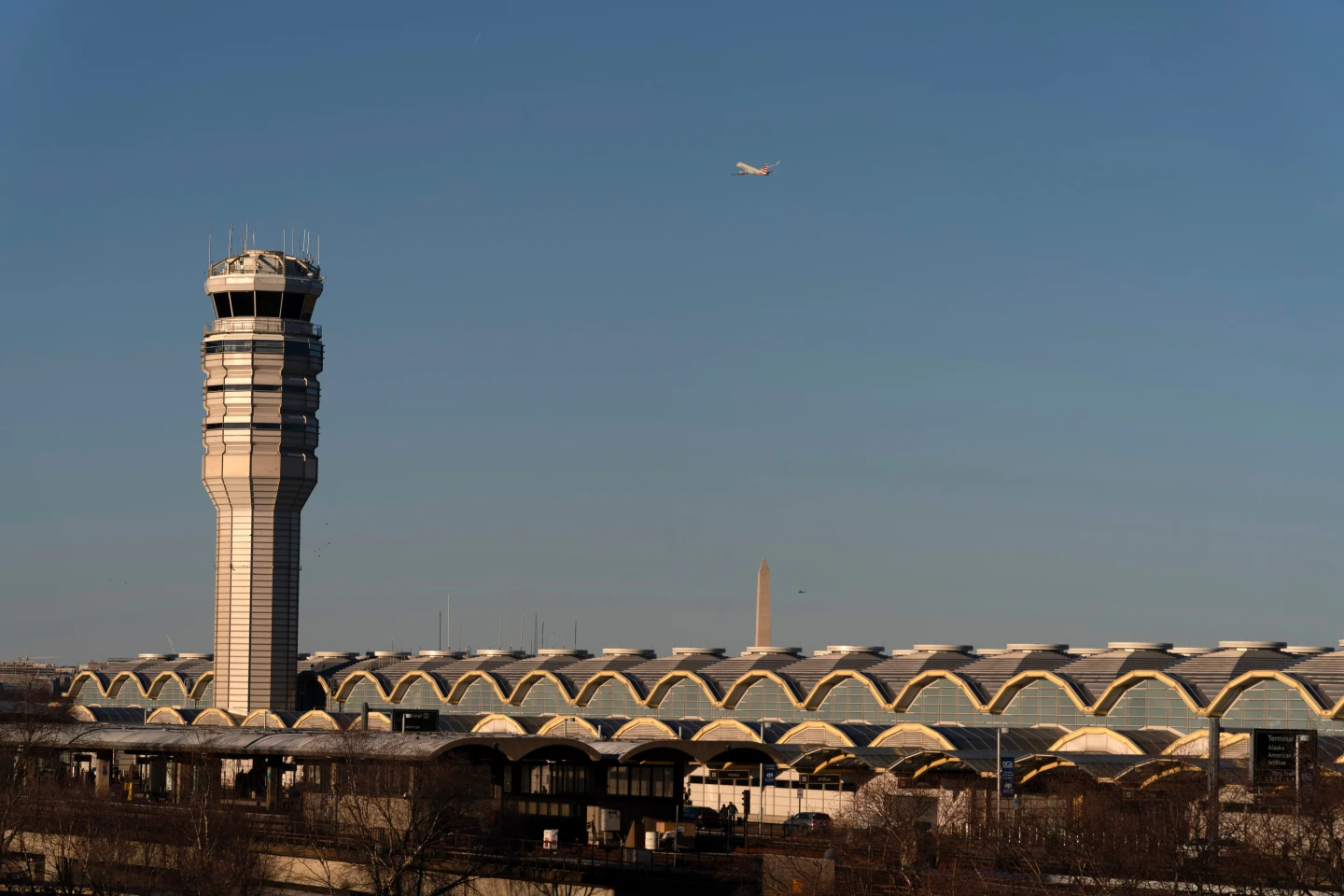
In light of these concerns, the new mandates require radar use to enforce specified safe distances between aircraft. This regulation will be implemented across more than 150 of the U.S.'s busiest airports and extends to sites like Ronald Reagan Washington National Airport, where restrictions were previously adopted.
FAA Administrator Bryan Bedford stated in a release, We are proactively mitigating risks before they affect the traveling public. Following the mid-air collision, we conducted a review of operations nationwide and found an overreliance on pilots maintaining visual separation, which was a significant factor in several safety incidents.
The FAA specifically referred to a near-miss on February 27 where a police helicopter had to maneuver to avoid a landing American Airlines flight at San Antonio International Airport, and another incident on March 2 at Hollywood Burbank Airport involving a helicopter and a small aircraft.
The January 2025 collision between an American Airlines jet and an Army Black Hawk helicopter was particularly devastating, resulting in 67 fatalities and marking it as the deadliest plane crash on U.S. soil since 2001. Investigators highlighted that the reliance on visual separation had an adverse impact on safety disclosure leading up to the accident.
Many of the casualties included young figure skaters who had participated in a training camp, emphasizing the tragic human cost of this airspace challenge.