As news of the ceasefire spread through Israel's northern communities, sirens blared three times this evening warning of incoming rockets from Lebanon.
In the sky above the northern city of Nahariya, Israel's air defense interceptors shot up to block them, triggering loud explosions. Ambulance crews reported at least three injuries from shrapnel in the hours before the ceasefire took effect, including two serious cases.
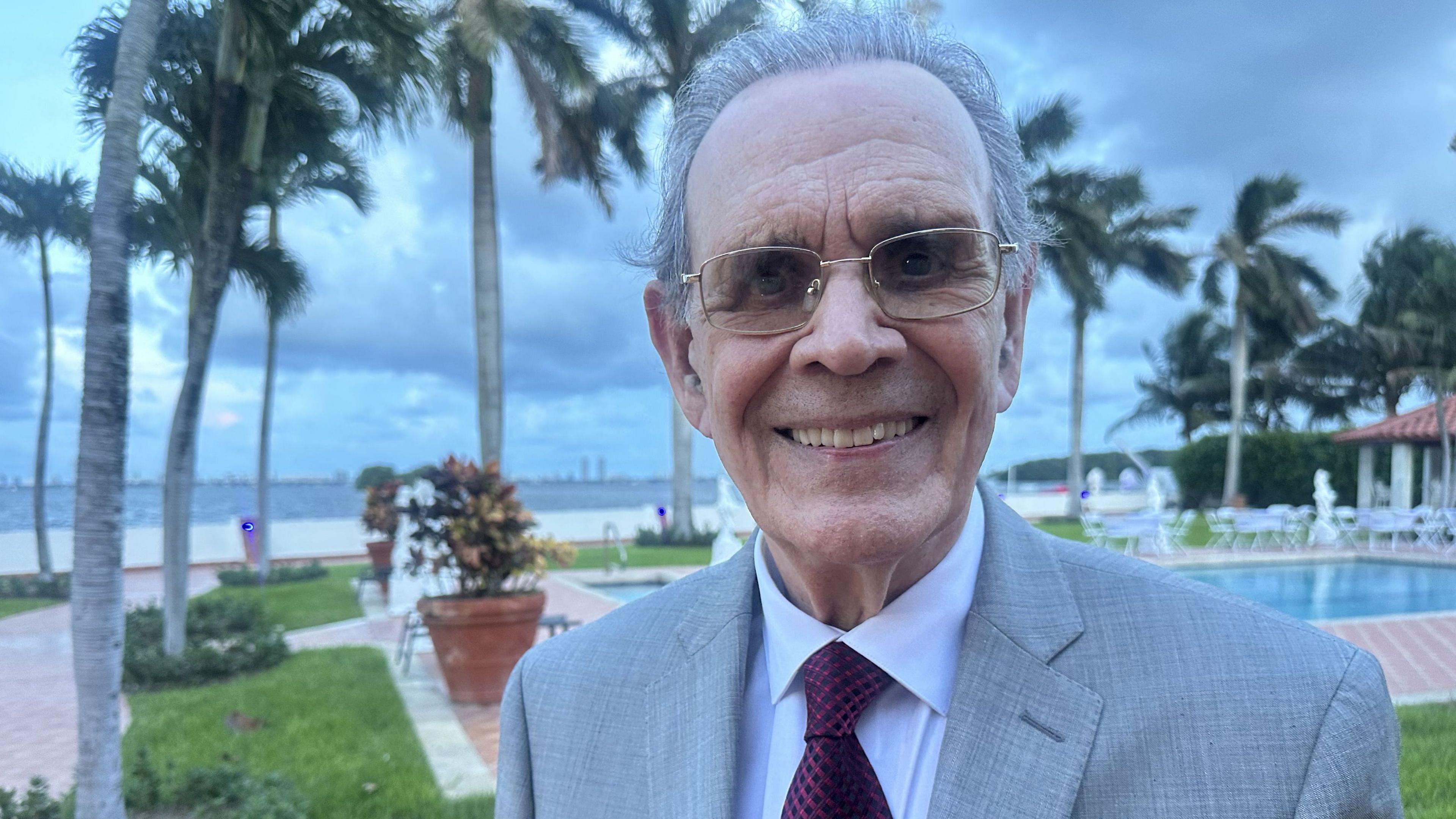
On the ground here – and across the country – there's skepticism regarding why Israel's leader has signed up for the truce. I feel like the government lied to us, said Gal, a student in Nahariya. They promised that this time it would end differently, but it seems like we're heading once again toward a ceasefire agreement that solves nothing. Another resident expressed disappointment over the Lebanese government's failure to disarm Hezbollah, raising doubts about the agreement's potential effectiveness.
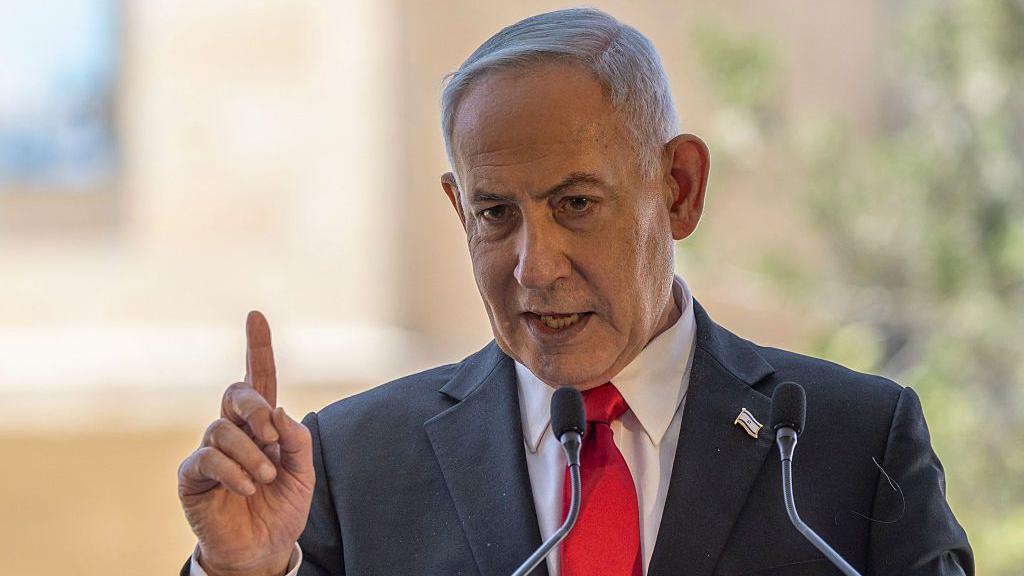
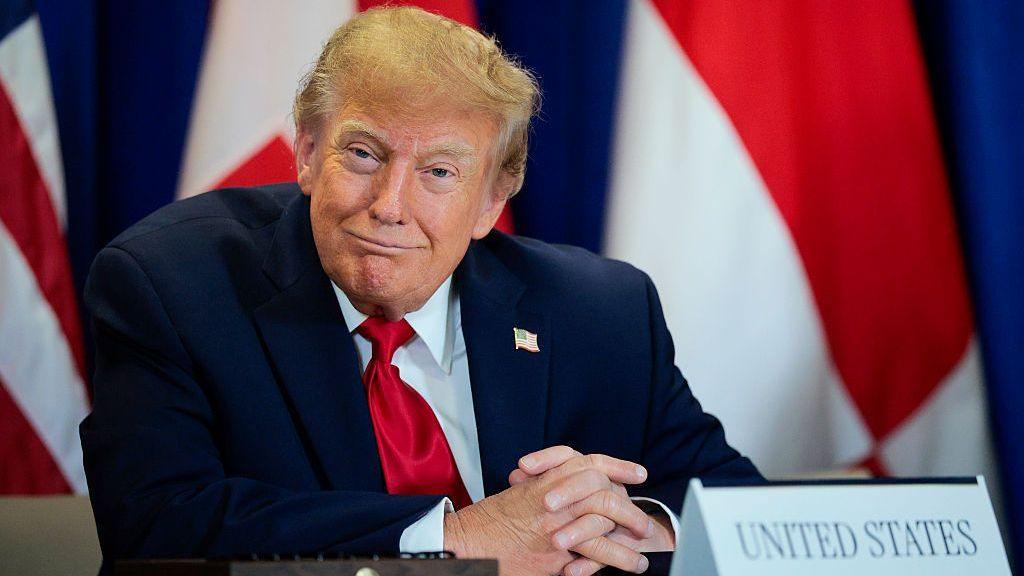
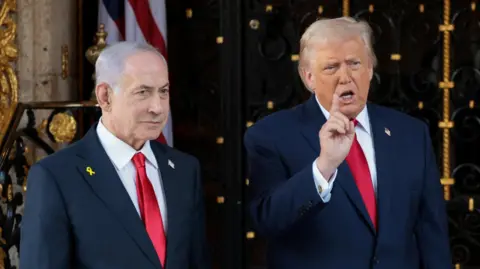
The unexpected ceasefire announcement has left Israeli leaders, including Prime Minister Benjamin Netanyahu, caught off guard, with reports indicating that a security cabinet meeting was called with just five minutes notice ahead of the announcement. Many are concerned that Netanyahu may have capitulated to U.S. President Trump's demands without adequately consulting his government.
A recent Israeli poll revealed that a significant majority supports continued military action against Hezbollah, suggesting a disconnect between leadership decisions and public sentiment. Former Israeli Defense Force Chief Gadi Eisenkot criticized the ceasefire, stating it must stem from a position of strength, indicating a broader pattern of ceasefires being imposed upon Israel.
While Netanyahu tries to frame the ceasefire as an opportunity for historic peace, he has also made it clear that he did not agree to key demands by Hezbollah, asserting that Israel maintains its military presence in Lebanon. The truce reflects ongoing pressures from international actor forces while local sentiments lean towards skepticism and the perception that national interests may not align with Washington's strategies.