In brief
Richard Itoro, a Nigerian car‑dealership owner, fled south‑Africa in June after his wife and twin children were harassed by anti‑migrant demonstrators. The incident, part of a broader wave of unrest that saw tens of thousands of foreign residents leave Johannesburg, has strained diplomatic ties and raised questions about lawful residency and protection for migrants. While Itoro has secured repatriation flight to Nigeria, his family remains stranded, stoking a debate over the country's commitment to pan‑African solidarity and immigration law enforcement.
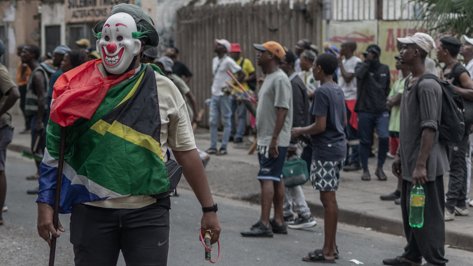
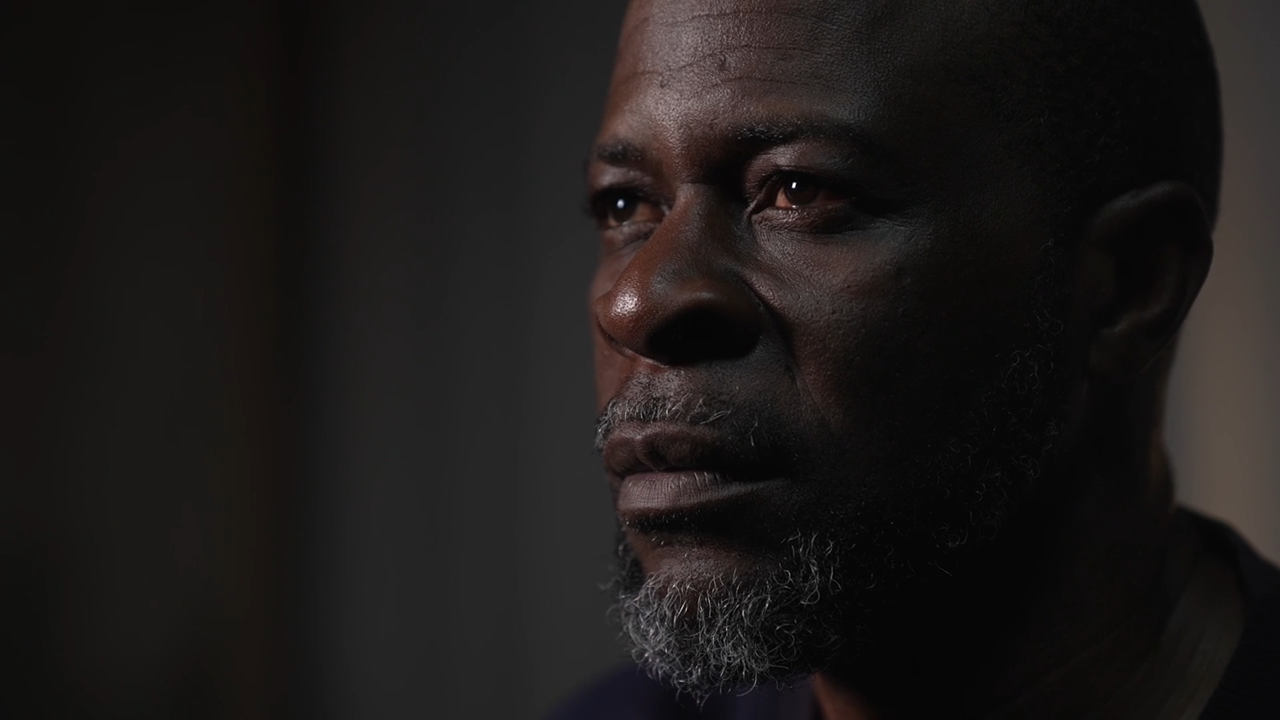
Richard Itoro, 47, left his family and business behind in Johannesburg after protests in South Africa turned violent against him and his wife, a 43‑year‑old Nigerian resident. The protests were fueled by claims that foreigners were taking jobs and resources away from South Africans.
Itoro had built a car‑dealership over 15 years, buying a home and raising twins. The last days in the city were fraught with intimidation from locals who told his wife that she should leave with him. One neighbour reportedly said, “You are married to a Nigerian, and we are supposed to arrest you.” These threats drove him to board a voluntary repatriation flight to Nigeria in June.
The exodus of over 50,000 foreign residents in recent months has strained South Africa’s diplomatic relations. Nigerian officials said many citizens with legitimate papers were being targeted, while South Africa’s Culture Minister Gayton McKenzie insisted that only those lacking official documents should be left. The South African Foreign Minister added that his country would enforce immigration laws, citing a recent incident where a Nigerian was killed while the police arrested him for suspected drug offences.
Itoro’s wife was not allowed to travel with him due to diplomatic constraints. He has told reporters he still hopes to reunite with his family: “It is heartbreaking. But if God lifts me up, my wife will join me soon.”
Other African countries, including Ghana and Malawi, have organized transport for their citizens to leave South Africa, highlighting the regional reach of the dispute. Ghanaian hairstylist Emmanuel Asamoah, for example, left to job in Johannesburg only to be harassed by locals and now works openly in Ghana again.
The incident, and others like it, threaten the image of South Africa as a pan‑African refuge. Ghana’s foreign minister laments the lack of solidarity, urging that countries should respect mutual support ideals established during the struggle against apartheid.
More updates on this story can be found on BBCAfrica.com, and on social media channels including Twitter, Facebook and Instagram.