MINNEAPOLIS (AP) — A tragic incident involving U.S. Border Patrol agents has left the Minneapolis community in shock after they fatally shot Alex Pretti, a 37-year-old intensive care unit nurse. The shooting, which occurred during an operation regarding immigration enforcement, has resulted in mass protests demanding the removal of federal immigration officers from Minnesota.
According to eyewitness reports and videos, Pretti was unarmed and holding a cell phone at the time of the shooting. However, federal officials claim that he approached agents with a handgun and resisted arrest. This still has not quelled the anger of local residents, who rallied in protest, calling for justice while reflecting on the emotional toll of the incident, which is seen as a continuation of a pattern of aggressive enforcement actions.
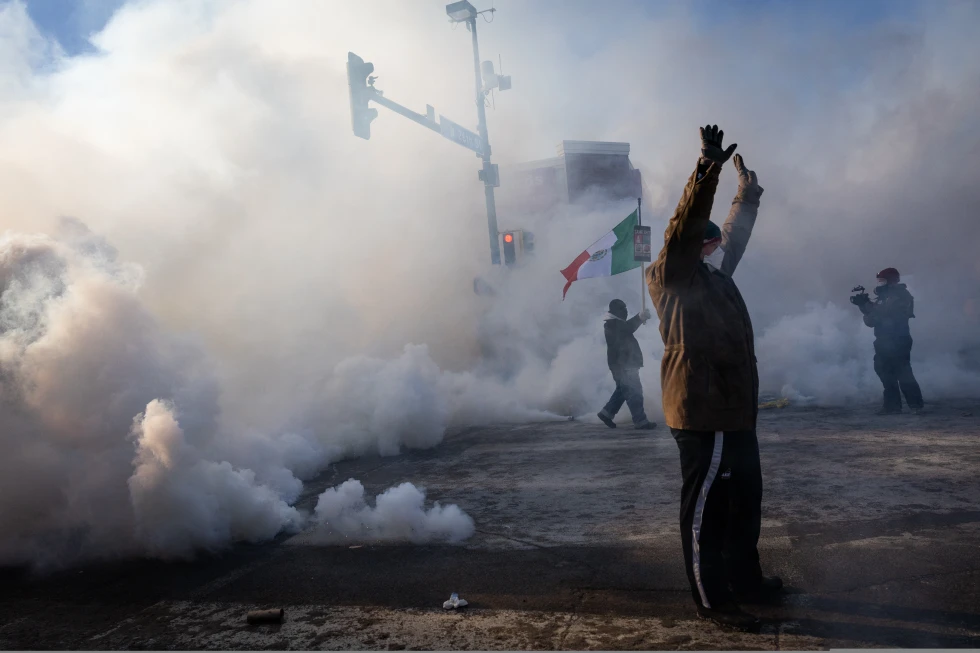
The protests erupted in the wake of Pretti's death, with hundreds of demonstrators taking to the streets in sub-zero temperatures. The tensions came to a head as federal officers, equipped with riot gear, clashed with protestors wielding signs demanding the end of immigration sweeps in the city. Various political leaders voiced their opinions on social media, amplifying the divide between local and federal authorities.
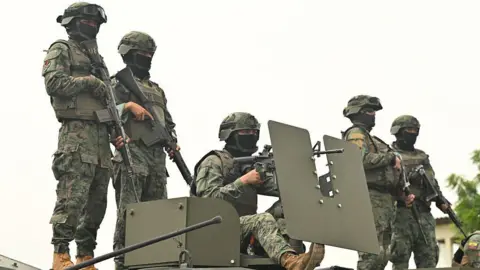
Minnesota Governor Tim Walz ordered the National Guard to assist local law enforcement amid the escalating situation. Meanwhile, Congresswoman Alexandria Ocasio-Cortez and other Democratic lawmakers have rallied against the continued funding for U.S. Immigration and Customs Enforcement, igniting further political discourse.
Pretti's family released a statement expressing their heartbreak and outrage over how the media and government representatives have portrayed their loved one. They described him as a kind-hearted individual committed to caring for others, referring to the incident as an assault on his character and humanity.
This tragic shooting intensifies ongoing discussions about immigration policies, law enforcement practices, and the role of federal agencies in local communities. Public sentiment is increasingly calling for accountability and change, asserting that the community's right to safety must be prioritized over aggressive enforcement measures.