MINNEAPOLIS (AP) — The Trump administration’s termination of its immigration enforcement initiative, 'Operation Metro Surge,' has brought mixed reactions from Minnesota's residents and officials, revealing significant concerns about the long-term implications on the local economy and immigrant communities.
'Operation Metro Surge' involved the deployment of hundreds of officers in Minneapolis and St. Paul, described by the Department of Homeland Security as the 'largest immigration enforcement operation ever.' Despite the operation being framed as successful, it faced increasing scrutiny as violence and discontent grew in the area.
The tragic shootings of U.S. citizens Renee Good and Alex Pretti by federal officers catalyzed a wave of condemnation, leading to alterations in how the operation was executed. Following these events, Minnesota's Democratic Governor, Tim Walz, urged residents to remain alert, indicating that the end of the surge does not signify the end of issues surrounding immigration enforcement.
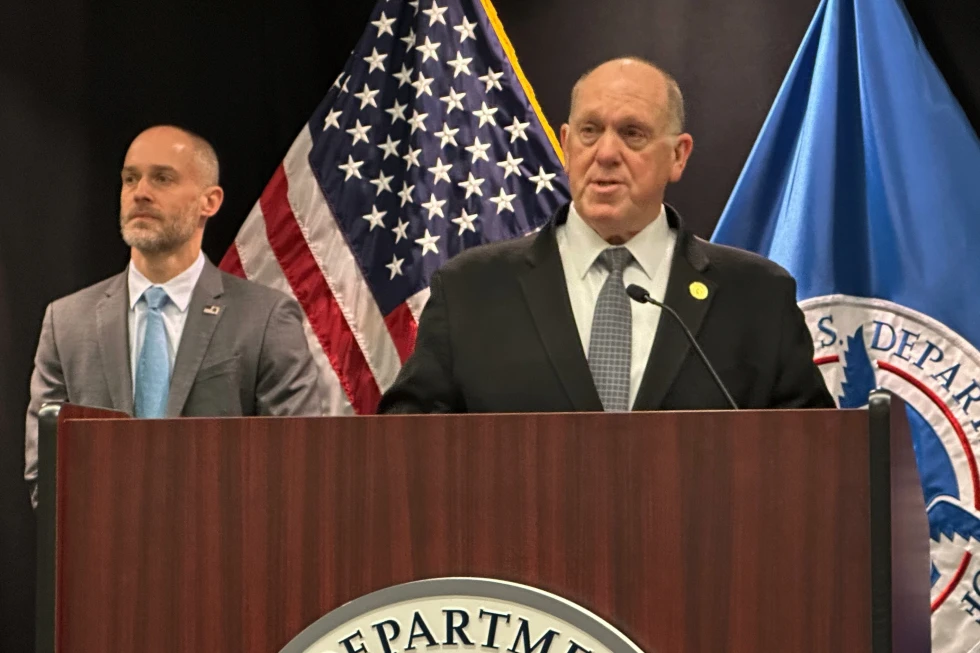
Tom Homan, the border czar, attributed the operation's cessation to enhanced cooperation between federal agencies and local representatives. However, he affirmed that targeted enforcement, while reduced, would still exist, leaving questions about trust and safety lingering in the community.
Local resident John Schnickel expressed skepticism about the government’s assurances, feeling that the operation’s negative impacts would not simply vanish with the withdrawal of officers. Other community members echoed these sentiments, reflecting a pervasive distrust towards the federal government and its enforcement strategies.
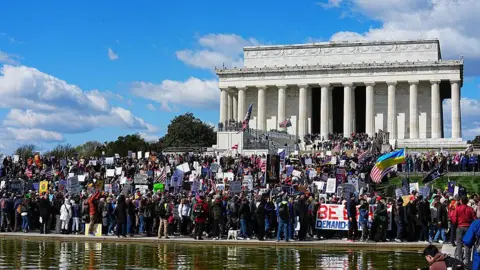
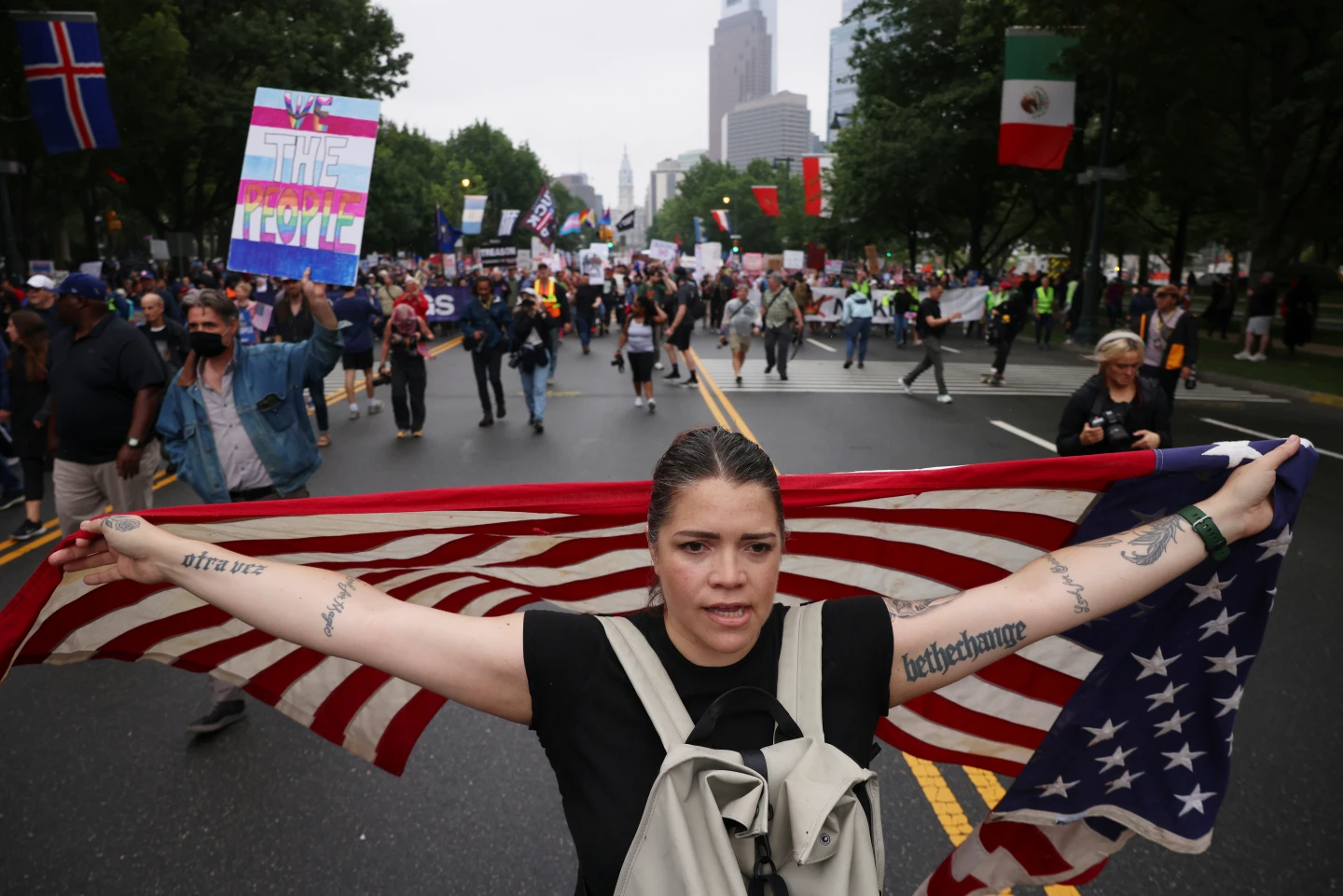
The operation's legacy manifests not only through heightened tensions but also in the visible changes within the Twin Cities. Vacant businesses and schools posting signs against ice presence have become more common, signaling a complex interplay between community activism and federal policies.
As the dust begins to settle post-operation, the community grapples with reconciling the immediate relief of reduced federal presence with the ongoing fear and mistrust that have permeated the immigrant experience in Minnesota.