In brief
In a significant shift from previous environmental policies, President Donald Trump announced the reversal of the Obama-era endangerment finding, a ruling that established greenhouse gas emissions regulations. This decision could lead to increased greenhouse gas emissions, lessen restrictions on vehicle manufacturers, and shift the regulatory burden back to the courts. While supporters argue it will lower vehicle prices, critics warn of severe public health and environmental consequences.
US President Donald Trump has announced the reversal of the so-called endangerment finding, a key Obama-era scientific ruling that underpins much of US environmental legislation.
This legislative change is expected to lead to multiple environmental and economic implications, with experts warning that it will likely be challenged by environmental groups in courts. Here are some of the anticipated impacts:
Fewer Greenhouse Gas Emissions Restrictions
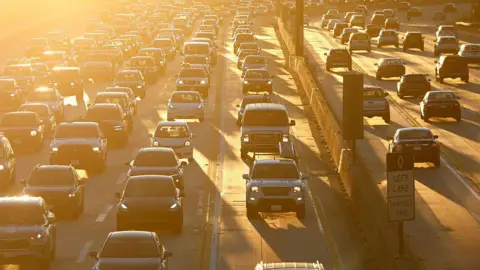
The most direct consequence of this decision is that there will be fewer restrictions on greenhouse-gas-producing industries, particularly vehicle manufacturers. The 2009 endangerment finding identified six greenhouse gases, like carbon monoxide and methane, as harmful to current and future generations. Its removal means reduced limitations on emissions and a potential spike in greenhouse gas levels, estimated to reach an additional 7.5-18 billion tonnes by 2055, which could cost trillions of dollars in potential damages.
Cheaper Cars in the US (but Harder to Export)
Trump’s administration claims that eliminating the endangerment finding will economically benefit American car buyers by lowering production costs by around $2,400 per vehicle. While some in the auto industry support these changes, there are concerns that, with international markets continuing to uphold stricter climate regulations, American vehicle manufacturers may struggle to compete.
Nuisance Lawsuits
The removal of the endangerment finding could also lead to a resurgence in 'public nuisance' lawsuits against corporate polluters. Legal scholars predict that companies may face increased litigation as they once did before the Supreme Court ruling in 2011 shifted regulatory power to the EPA.
Public Health Implications
With the EPA stating that greenhouse gas standards are not essential for protecting public health, critics argue that the decision may result in thousands of additional premature deaths and worsening public health crises such as asthma among tens of millions.
Falling Behind in the Global Renewables Race
The changes could hamper the US's ability to remain competitive in the global renewable energy market. As other countries accelerate their embrace of clean technologies, American automakers and energy producers may lag without strong emission standards.
Less Industry Regulation
While proponents argue these changes reduce economic strain, critics warn of the long-term consequences of deregulation, notably regarding climate change-related disasters. As global emissions patterns change, failing to address these regulatory measures may exacerbate costs and health issues that transcend national borders.