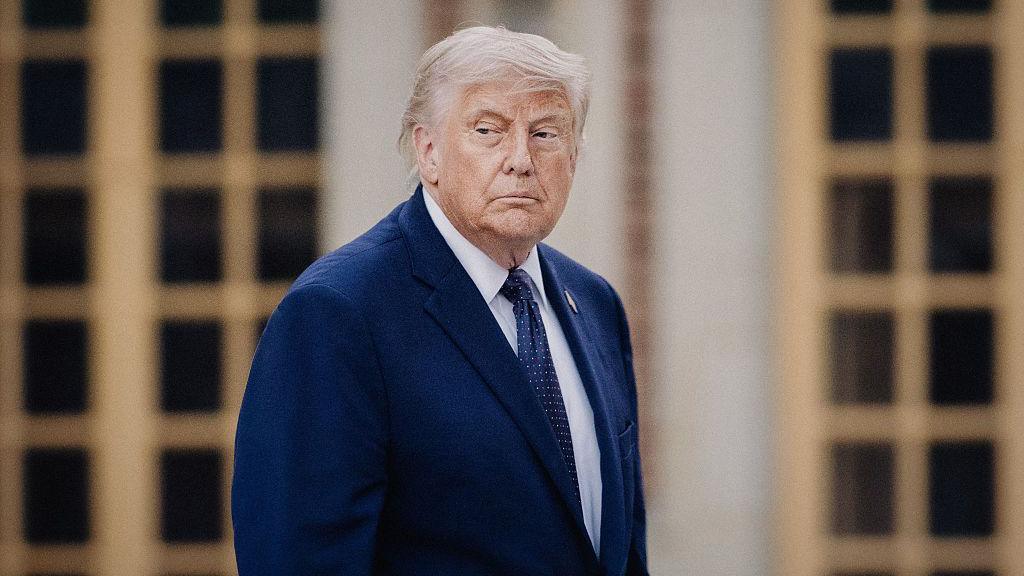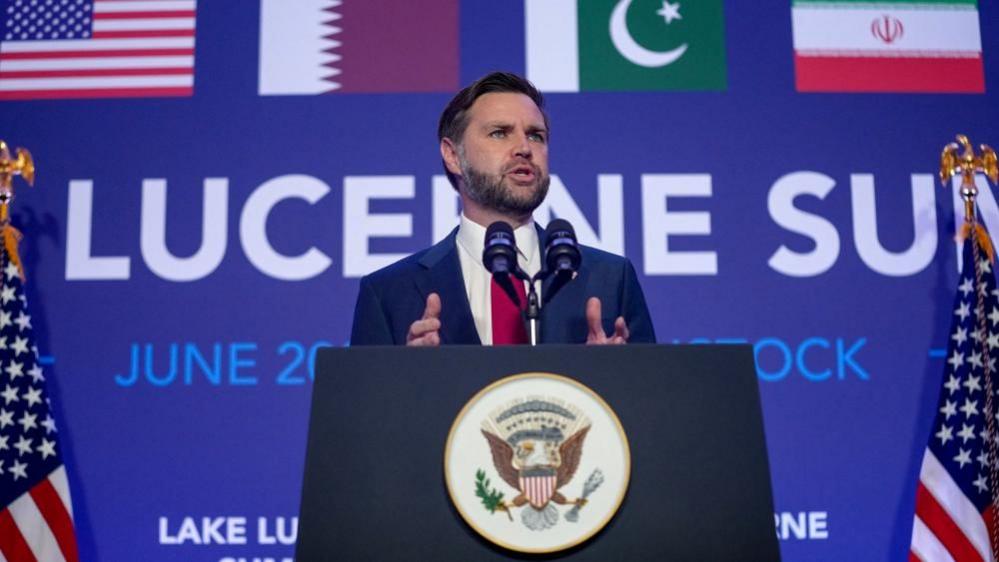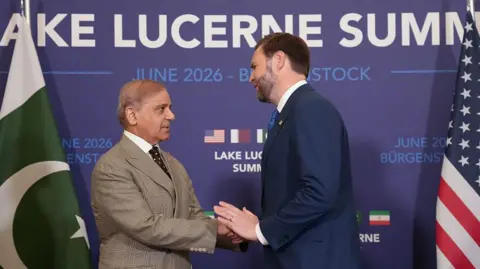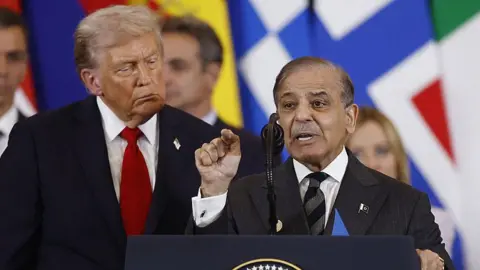
As tensions escalate in the Iran war, Pakistan's emergence as an unexpected mediator has raised eyebrows globally. The head of Pakistan's armed forces, Field Marshal Asim Munir, has garnered favor with US President Donald Trump, who has praised Munir's knowledge of Iran. This relationship positions Pakistan uniquely between the two nations, as it shares a border and cultural ties with Iran while simultaneously engaging with the US.
Pakistan has not yet been embroiled in the conflict affecting many of the traditional mediators in the Gulf region and remains willing to intervene, recognizing that peace between the US and Iran would be in its strategic interest. Despite its precarious position, given ongoing tensions with India and Afghanistan, Pakistan has been actively communicating between the two sides, hosting foreign ministers from concerned nations and facilitating diplomatic dialogues.
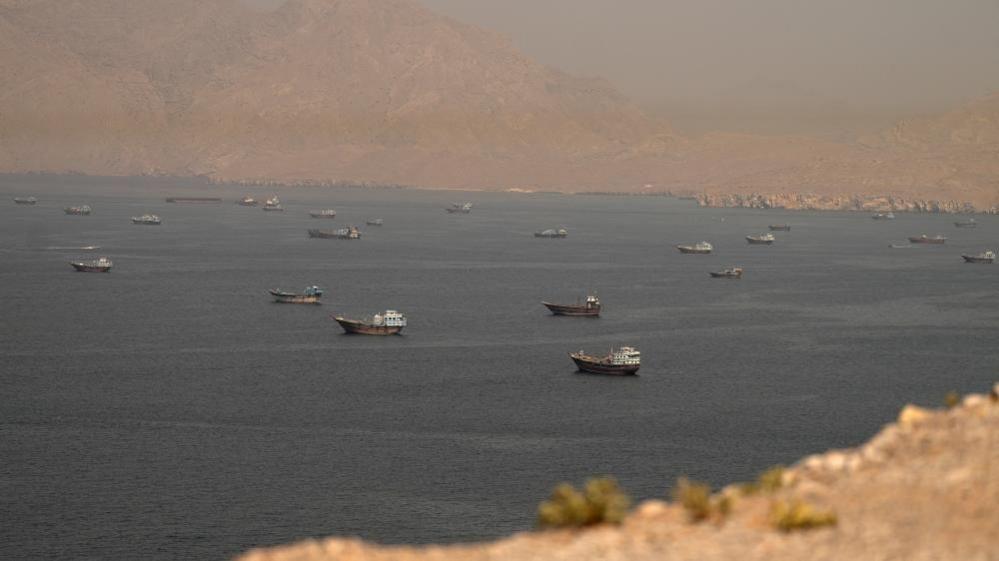
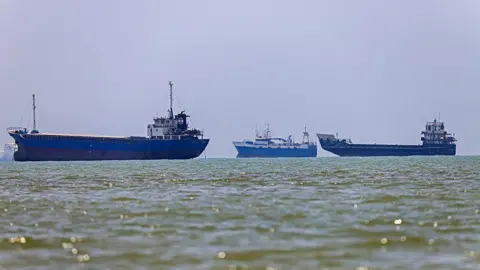
On the economic front, Pakistan heavily relies on oil imports, much of which transits through the Strait of Hormuz, adding urgency to its peace endeavors. As foreign economists note, Pakistan's interest in the conflict is pronounced—especially as it faces mounting economic pressures exacerbated by global oil prices and internal measures, such as increasing fuel prices.
Complicated further by its recent defense agreement with Saudi Arabia, Pakistan's foreign policy necessitates a careful balance. It will need to tread cautiously amidst public sentiment that is largely pro-Iranian. Failed attempts to mediate could potentially hurt Pakistan's global standing, exposing it to allegations of naivete, while successful diplomacy could elevate its profile dramatically.
With ongoing meetings and discussions, including a diplomatic visit to China, Pakistan's efforts reflect a broader strategy of multi-alignment in a world that increasingly demands flexibility from middle powers. While its role as a mediator is under scrutiny, the potential benefits—both diplomatic and economic—are significant, although the odds of success remain uncertain.