Police in Vietnam Rescue Over 400 Cats From Illegal Meat Trade
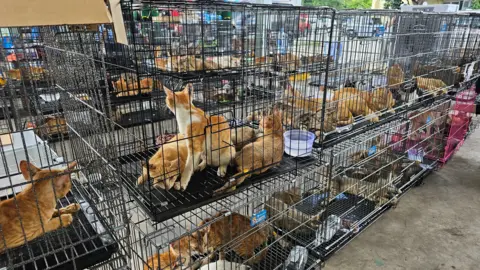
A nationwide crackdown by officials in Ho Chi Minh City and Tay Ninh Province uncovered a clandestine ring that had stolen hundreds of cats, destined for the meat market. Police recovered more than 400 live cats and about 80 dead ones preserved on ice during raids at two sites, and a further 21 animals were seized from a separate facility.
Nine suspects were arrested as part of “a criminal group specializing in stealing and collecting cats,” the local police newspaper reported. Investigators say the group operated across southern Vietnam for three years, trapping cats, storing them, then selling to traders every two to three days. The suspects have admitted to capturing stolen animals and moving them to holding facilities before transportation to buyers.
Animal‑welfare organisation Humane World for Animals said that more than 40 of the recovered cats have been reunited with their owners, although some sadly died after being subjected to the ordeal. The group praised police for the “decisive action that has saved the lives of so many animals” and said it will continue to supply food and care for the animals still in police custody as evidence remains in the case.
Vietnam permits the consumption of dog and cat meat, but traders need licences that confirm the animals’ sources. Despite the legal status, a 2023 survey by Humane World for Animals found that a growing share of the population—especially young people and pet owners—support banning both the dog and cat meat trades.
It remains stark that the nation captures, steals, traffics and slaughters an estimated five million dogs and one million cats for food each year. Campaigners warn that common tactics include poisoned bait, tasers, iron pincers for dogs and spring‑loaded snares for cats.
Police continue the investigation and urge residents who suspect their pets have disappeared to come forward. As public sentiment against the meat trade shifts, authorities and animal rights groups are working to curb an industry that has long seen animals treated as commodities rather than companions.