WASHINGTON (AP) — A disruption in reimbursements for disaster relief costs, delays in cybersecurity response, and missed paychecks for airport security agents are among the potential consequences of an impending funding lapse at the Department of Homeland Security (DHS), according to officials who testified before a House panel this week.
Congress has approved full-year funding for most federal government sectors, but a short-term funding patch for DHS has only extended through Friday. In light of violent incidents, including the killing of two American citizens in Minneapolis, Democrats have insisted that any funding agreement for DHS must include reforms to immigration enforcement operations.
Negotiating a common ground on immigration enforcement will be challenging. Nonetheless, a White House representative indicated constructive discussions are ongoing with both parties. The administration remains committed to ensuring the continuity of government services.
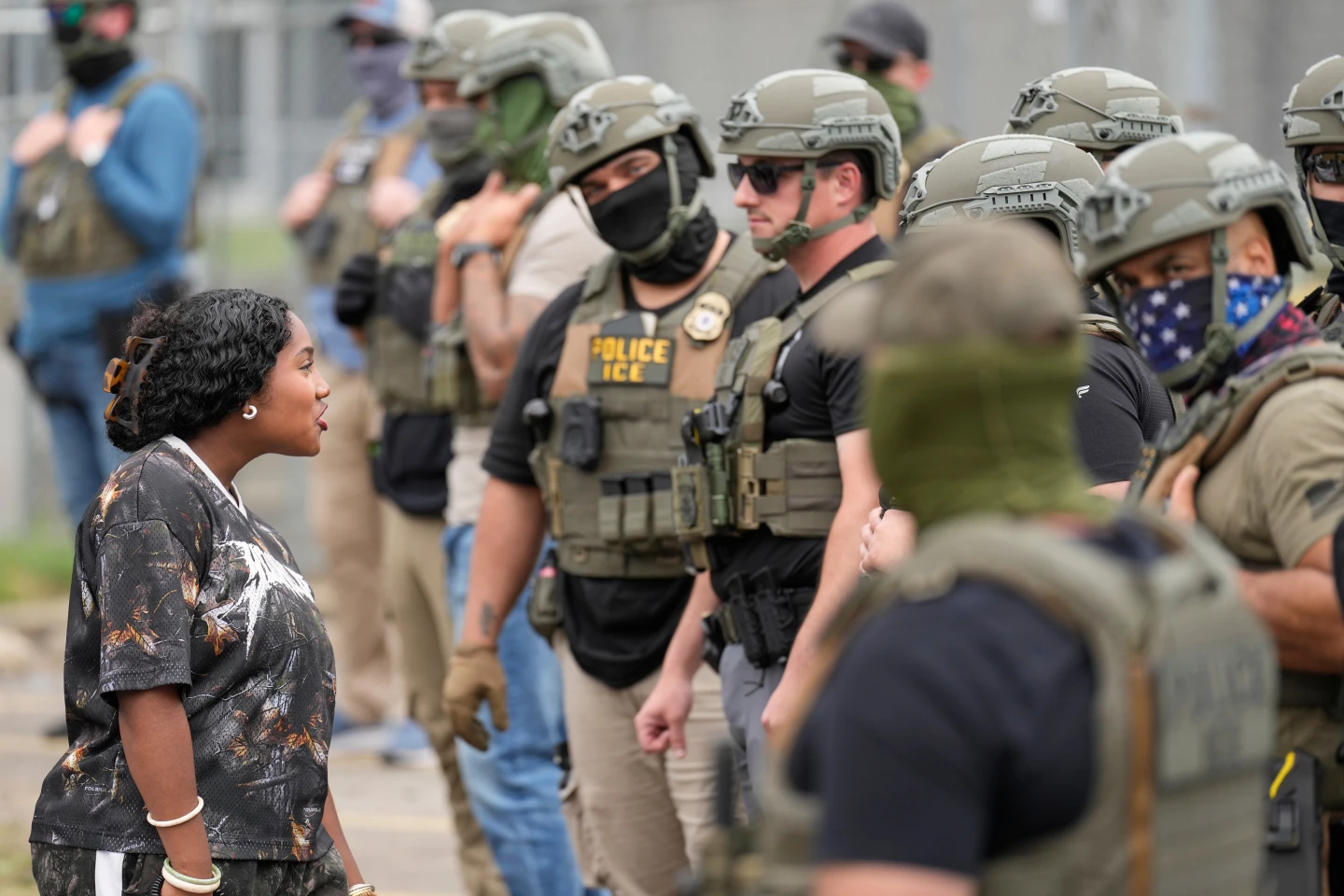
In contrast, Republicans maintain that a DHS shutdown would not undermine the operations of agencies that Democrats are especially concerned about, emphasizing that Immigration and Customs Enforcement (ICE) has been significantly funded for expansion.
Republican leaders underline that removal operations and infrastructure projects like the border wall will proceed uninterrupted. However, other crucial agencies, including the Transportation Security Administration (TSA) and the Secret Service, stand to bear the brunt of the budget cutoff.
During the hearing, Rep. Henry Cuellar, a Democratic member of the committee, reiterated the importance of examining and adjusting policies that could lead to tragic outcomes, like those seen in recent violence involving law enforcement.
Existing Work Will Continue
Approximately 90% of DHS workers would continue their duties amid a shutdown, but without pay, according to Vice Admiral Thomas Allan of the U.S. Coast Guard. He expressed concern that delays in compensation could lead to morale issues and difficulties in retaining skilled personnel. Similar sentiments were echoed by officials from the TSA who highlighted the financial challenges faced by their workforce.
Agencies working to protect against cyber threats also indicated that a funding lapse would severely limit their ability to provide timely support and guidance to partners in safeguarding networks. The gravity of this situation requires lawmakers to prioritize negotiations to reach a funding agreement that ensures the ongoing effectiveness of DHS and its agencies.
Long-term Implications
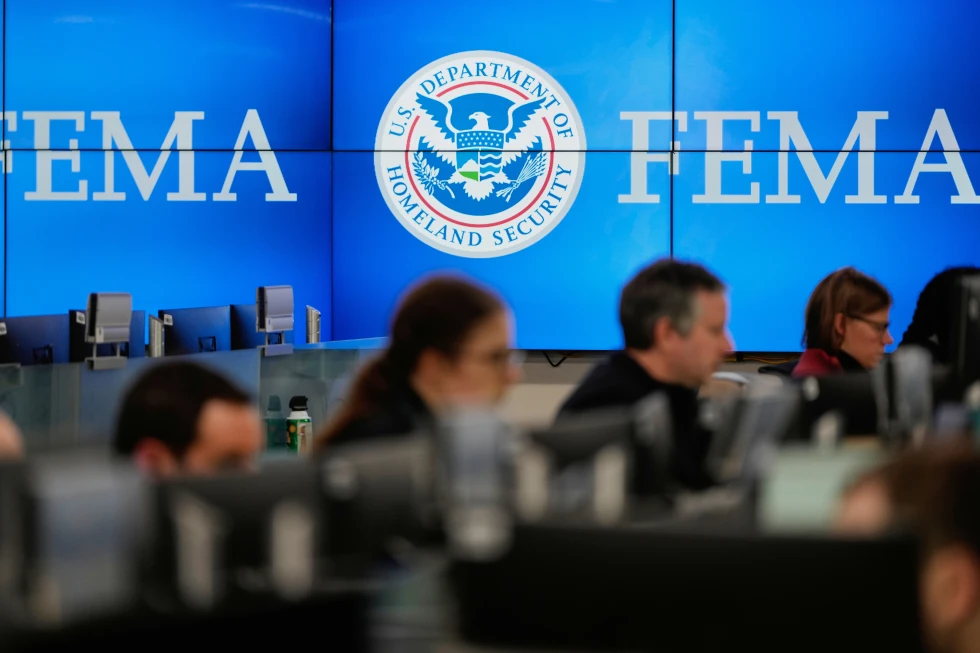
While FEMA can sustain immediate emergency responses during a lapse in funding, officials warned that long-term planning and collaboration would be compromised, impacting training and preparedness efforts for first responders. As stakeholders navigate this critical juncture, the necessity of adequate funding for DHS and its agencies remains clear in ensuring public safety and national security.