In brief
As the Russia-Ukraine war drags on, a noticeable trend is emerging: the Kremlin's increased financial rewards for military recruits is transforming the economic landscape of many struggling towns in Russia.
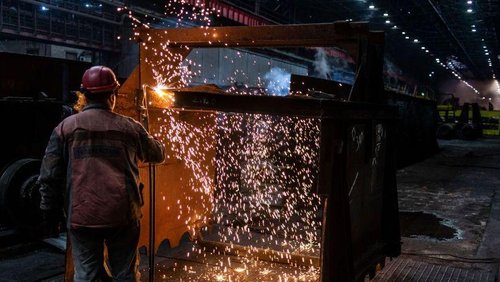
In various industrial cities, particularly in Siberia, an influx of cash from the government has rejuvenated local economies. Residents are noting an uptick in wealth, as seen by the presence of luxurious cars, elevated apartment prices, and a general improvement in living standards. This economic revival correlates with a disturbing trend; many men are enlisting to serve in Ukraine, possibly leading their families to benefits posthumously connected to military service.To counter a politically fraught draft that many Russians oppose, the government has resorted to tempting financial packages for new recruits. These include large signing bonuses, lucrative salaries, and what is commonly referred to as "coffin money," which provides substantial financial assistance to the families of fallen soldiers. The approach appears to work well in regions where opportunities are limited, acting as a motivator for those from economically disadvantaged backgrounds.Researchers from the Bank of Finland’s Institute for Emerging Economies recognize that this financial approach has garnered unexpected support for President Vladimir Putin and the ongoing conflict. Instead of viewing soldiers simply as patriots, there is a shift toward perceiving them as “soldiers of fortune,” drawn primarily by monetary rewards rather than patriotism alone. The juxtaposition of increased local prosperity against the backdrop of ongoing conflict raises significant questions about the future of Russian military engagement and the war's impact on domestic sentiments.