Three Israeli hostages, Yarden Bibas (34), Ofer Kalderon (53), and Keith Siegel (65), were released by Hamas today in a significant exchange involving the release of 183 Palestinian prisoners held in Israeli custody. The handover, facilitated by the Red Cross, forms part of a ceasefire deal established last month amid severe ongoing conflict between Israel and Hamas in Gaza.
The latest release follows a more chaotic handover earlier in the week where crowds surged dangerously. This time, the process was meticulously organized, although it retained certain ceremonial elements intended to affirm Hamas's control in Gaza. Armed fighters surrounded the hostages as they were presented to the public amid banners mourning deceased Hamas leaders. Those involved in the operation from the Red Cross supervised the signing of release certificates before the hostages were handed off.
As the hostages made their appearance, a euphoric crowd gathered in Hostages Square in Tel Aviv, chanting and expressing their relief. For Julie Domsky, who had been following the situation closely, the joy was bittersweet. "He's a hero, he's a hero," they yelled in recognition of Siegel, whose wife expressed profound relief and happiness upon the reunion.
The families of the others remarked on the tumultuous wait they had endured. Kalderon's family shared their overwhelming joy after 484 days of anxiety and torture they now hoped would come to an end. The sentiment, however, revealed a deeply etched concern for other individuals still in captivity, including a student of Liz Domsky’s, who remains unaccounted for.
While emotions ran high in Israel, the reaction to hostage releases still reflected the stark complexity of the ongoing conflict. The return of Bibas stirred concern within his family as they continue to grapple with the loss and the uncertainty regarding the fates of his wife and children, believed to have been killed due to an Israeli airstrike.
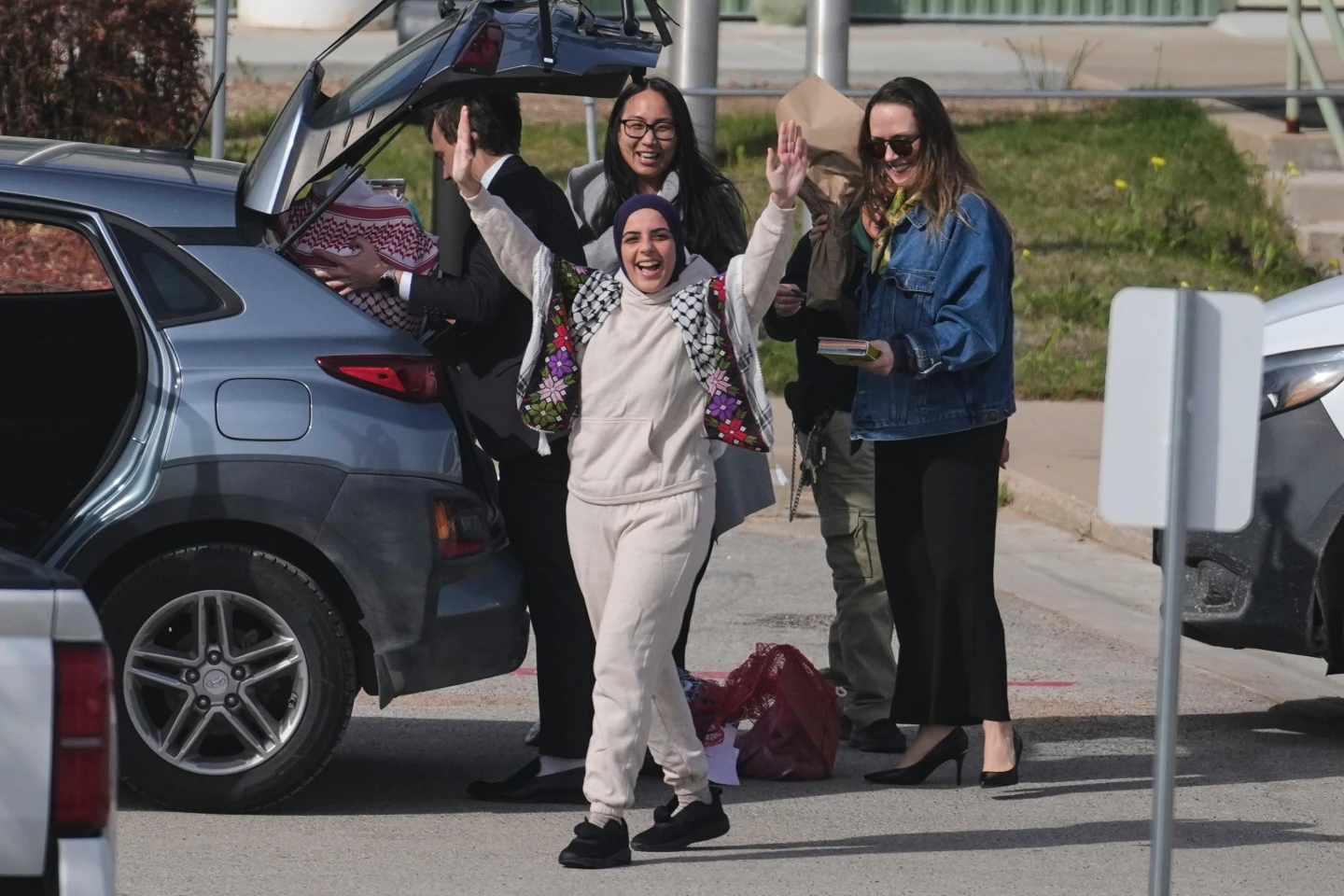
In light of these developments, Israeli Prime Minister Benjamin Netanyahu expressed solidarity with the hostages and emphasized the necessity for improved security measures during such exchanges. Meanwhile, the sentiment echoed from Ramallah was one of jubilation, as jubilant crowds welcomed freed prisoners back to Gaza.
The recent developments mark a critical moment but cast a shadow over the ongoing humanitarian crisis. According to the Hamas-run health ministry, nearly 47,500 lives in Gaza have been lost amid the brutal conflict since its escalation after the Hamas attack on October 7, which resulted in the deaths of approximately 1,200 Israelis and the taking of hostages.
Under the ceasefire deal starting on January 19, the initial releases included a total of 33 hostages and the liberation of 1,900 Palestinian prisoners. The agreement also allowed for humanitarian aid to flow into Gaza. The Rafah crossing, a crucial humanitarian route, reopened, facilitating the movement of patients seeking medical care.
However, the dire situation on the ground remains critical, with many returning to find their homes heavily damaged. Ashraf al-Dous, recently allowed to return, expressed frustration and sorrow regarding the extent of destruction witnessed. "It's catastrophic," he lamented, a reminder that political complexities continue to unfold within a backdrop of human suffering.