Trump's New Peace Initiative: A Challenge to the United Nations?
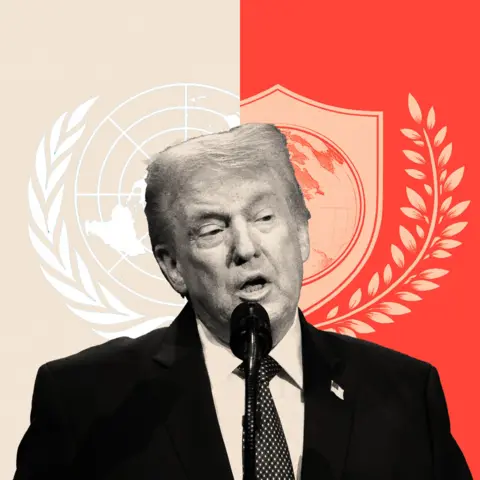
Donald Trump's recent inauguration of the Board of Peace at the Davos Economic Forum has ignited discussions about its significance and potential impact on the United Nations and global diplomacy.
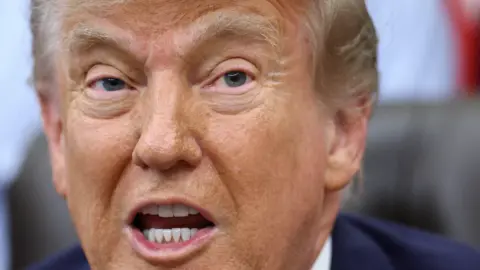
Trump asserted, Together we are in a position to… end decades of suffering, stop generations of hatred and bloodshed, and forge a beautiful, everlasting and glorious peace for that region and for the whole region of the world. This bold statement reflects an ambition that many observers find either hopeful or concerning.
Critics fear that the Board of Peace symbolizes Trump's overarching strategy to dismantle longstanding international frameworks, such as the UN, in favor of unilateral initiatives that center on US dominance. For instance, Poland's Prime Minister Donald Tusk cautioned against Trump's aspirations on social media, warning, We will not let anyone play us.
Viktor Orban, Hungary's Prime Minister and Trump's staunch ally, offered praise, stating simply, If Trump, then peace. Yet, the intent and powers of the Board raise questions. Leaked details suggest that Trump will hold the position of chairman for life and possess extensive powers to appoint members and manage its operations.
The inauguration garnered attendance from 19 nations and sparked interest from others, but several leaders, including the UK's Foreign Secretary Yvette Cooper, expressed skepticism about the Board's implications on international law and order.
With claims of Russia's involvement and skepticism from Sweden and Norway, the Board faces considerable obstacles in consolidating legitimacy. Critics label it a project steeped in self-interest for a president eager for accolades, including a Nobel Peace Prize.
Despite the controversy and mixed receptions, some credit Trump's initiative with highlighting the need for reforms in the UN's structure, particularly its Security Council, as it struggles to keep pace with contemporary global power dynamics.
Trump has proclaimed that once the Board is fully operational, it will act in concert with the UN, though his previous statements about potentially sidelining the UN leave many uncertain about its future role.
The Board of Peace’s potential to reshape international conflict resolution is yet to be realized, as previous initiatives have met challenges rooted in complex historical and geopolitical realities.
Ultimately, the perception of Trump as a peace broker raises questions that paint a nuanced picture of a world increasingly wary of simplistic solutions to enduring conflicts.