In brief
Nebraska’s cattle ranchers are wrestling with record‑high costs for fencing, diesel and feed, costs that have been further magnified by tariffs and a Trump‑era policy to import 300,000 metric tons of duty‑free beef. A Montana‑fire‑hit ranch owner, Yvette Mannon, described the damage as a "betrayal" from a president she had voted for, while the industry’s economic hardship has sparked a wave of political reconsideration across the state. Despite these pressures, many farmers remain close to the Republican line, arguing that Trump’s broader policies still align with their values, yet the economic realities are putting long‑term succession plans on hold. As the 2026 midterm elections loom, Nebraska’s rural voters will likely weigh the cost of compliance against the root principles that tether them to the current president.
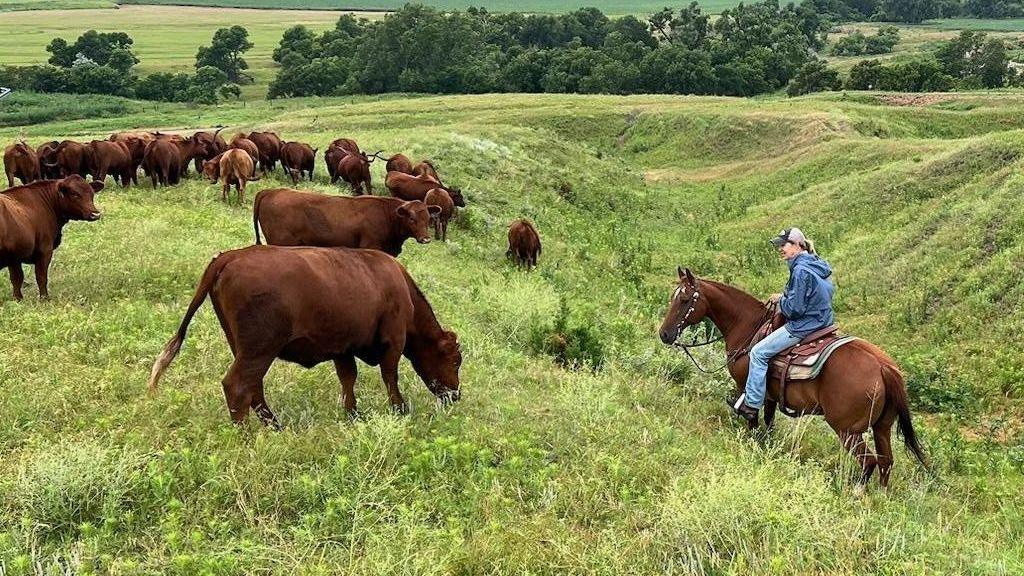
In mid‑October, a wildfire tore through 1,600 acres of pasture at Yvette Mannon’s Nebraska ranch, leaving 13 miles of fencing in ruins. The blaze had already claimed 300 cattle, and with steel prices at record highs, Mannon must now spend roughly $4.89 per foot of fence, a total that climbs over $300,000. That is not the only cost stringing her in a rising spiral. Diesel prices – boosted by the Iran War – have surged 40 % from a year earlier, further inflating her operating budget.
The situation hit a political punchline when the Trump administration announced in August plans to import 300,000 metric tons of duty‑free foreign beef during the peak buying window of September‑November. “It felt like a betrayal,” Mannon told reporters with a mix of outrage and disappointment. “Buy American, let’s make America great – for you guys over here, sorry.” Her sentiment echoed across the state, where many ranchers feel a growing tension between economic strain and past loyalty.
Yet political loyalty is not uniform. Duane Kimball, a 54‑year‑old grain farmer miles away, attributes many of his challenges to longstanding market forces rather than squarely on the Trump administration. “If you look beyond the headlines, the roots of high fuel, fertiliser and equipment costs predate this executive,” Kimball says. Meanwhile, Jake Wolfinger remains a Trump supporter, arguing that the president’s approach is “shoot, fire, aim” and that the overarching direction stays “right.” The debate points to a nuanced landscape where ideological alignment sits beside pragmatic business concerns.
Economists note that the cattle market already follows a 10‑ to 12‑year cycle, and the current downturn is compounded by foreign supply changes, higher input prices, and the legislative push for free‑trade cattle movement across the southern border. “We are seeing negative shocks across the board – from steel, to feed, to diesel,” explained James Mitchell of the University of Arkansas.
Stories of loss are entrenched in Nebraska’s history. Don Batie, a corn and soybean farmer who once dreamed of handing his 400‑acre farm to his daughter, finally gave up those hopes as costs drove his net margin down. He voted for Trump in 2016 but openly said he would not in 2024 because policy outcomes had failed to match the promises. Across the state, farmers who once “offered a stable base for Republican votes” now consider whether the Trump brand continues to serve them.
Despite these hardships, the pasture remains a symbol of resilience. In Broken Bow, a regular indoor cattle auction gathered buyers in cowboy hats and overalls, showing that the cycle of buying and selling continues, even as financial pressure mounts. As state elections approach, it remains to be seen whether Nebraska’s agrarian backbone will uphold its past allegiance or redefine its political narrative in response to economic realities.