Rare Tornado Hits Australian Town, Sparking Global Comparisons
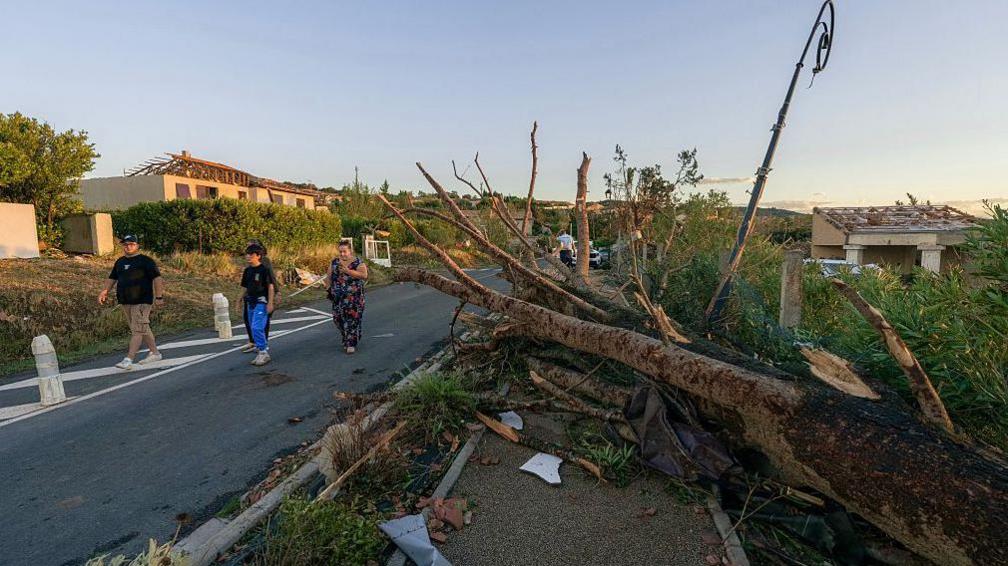
On 3 October, a powerful tornado touched down in the small coastal community of Ulladulla, New South Wales, causing structural damage and flinging trees across the street. The event was caught on video by several residents, who recorded the swirling column of wind cutting through the town’s center.
The Australian Bureau of Meteorology classified the storm as a “severe” tornado caused by intense thunderstorms and emphasized that “it is very uncommon to see one in such a populated place.” Damage reports included broken windows, toppled streetlights and uprooted trees, but fortunately no fatalities were reported.
Scientists note that while tornadoes are far more frequent in the United States, Australia has seen a modest rise in such events in recent years, likely linked to changing climate patterns that produce more intense thunderstorms. The Ulladulla incident has prompted emergency services to reassess their tornado preparedness plans and has sparked discussion among local officials, residents, and climate experts about how best to respond to increasingly rare but potentially devastating weather phenomena.
Comparatively, the United States experiences on average 1,200 tornadoes each year across a larger population, leading to established tornado warnings and sirens. Australia, in contrast, has fewer systematic warning systems for tornadoes, relying on severe weather bulletins and local knowledge. The Ulladulla case has therefore stirred debate over whether Australia should adopt more robust early‑warning technologies similar to those used in the U.S.

The event underscores the importance of cross‑regional learning: the U.S. tornado‑hardened infrastructure and emergency protocols might offer insights for Australian communities looking to enhance resilience against rare but severe weather events. Meanwhile, climate scientists alike recommend continued monitoring of such incidents as indicators of changing storm patterns in the Southern Hemisphere.