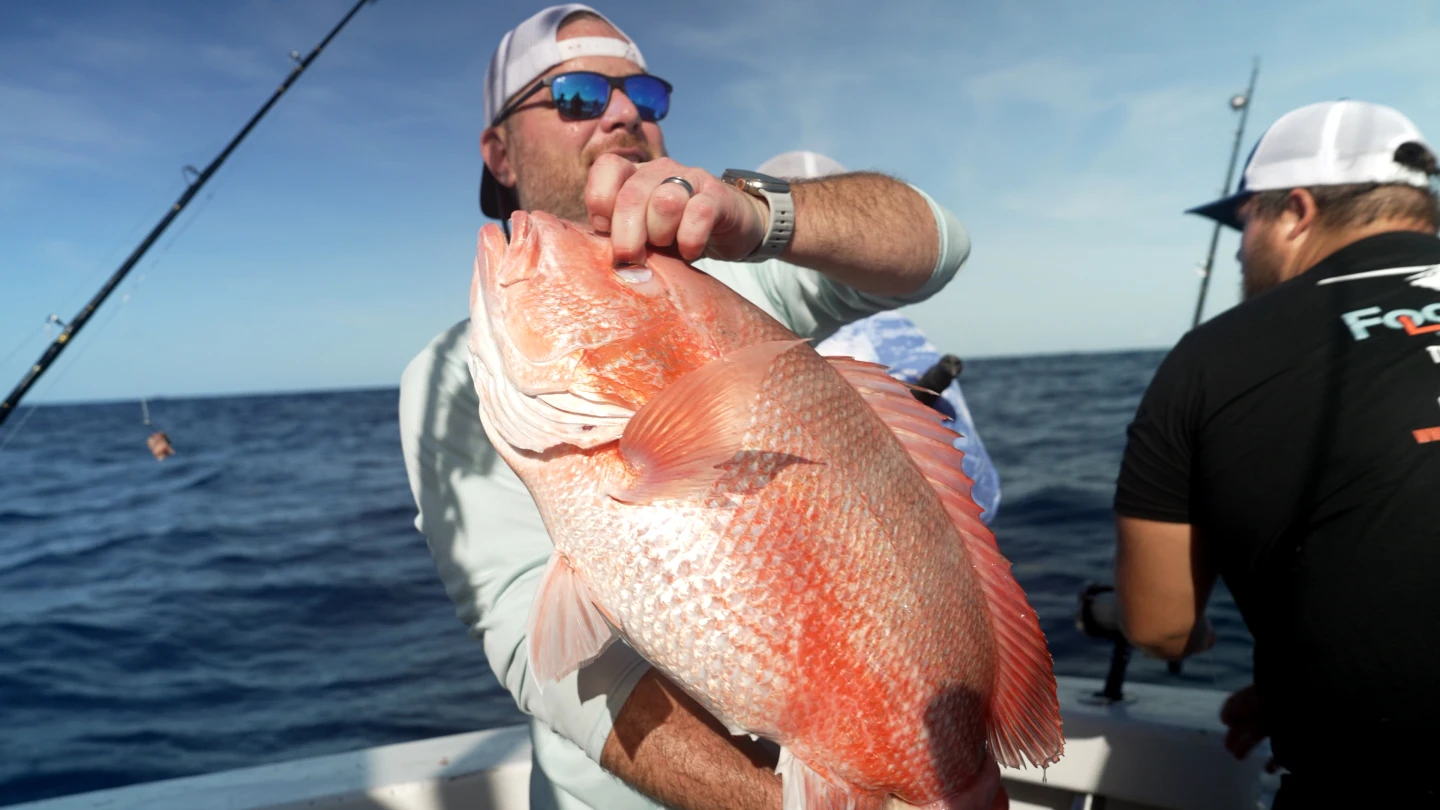
Miles from shore, Chris Kemp wrestles a 10‑pound red snapper from a reef five hundred feet deep. His grin turns to disappointment when his boat’s captain, under federal law, drives a razor‑sharp tool into the fish’s gas‑filled bladder after the catch is released. The move ends Kemp’s chance of bringing the fish home for dinner. The incident sits at the heart of a growing legal battle that has halted the biggest snapper season in Florida’s history, stoking tensions between recreational anglers, commercial fishermen, and environmental advocates over the Trump administration’s push to deregulate the seas.
A Sudden Court Shut‑Down
In late May, U.S. District Judge Rudolph Contreras issued an injunction blocking the new snapper season, citing concerns that recreational catches could overwhelm the fishery’s capacity. He noted estimates from the Ocean Conservancy that recreational anglers could land up to 485,000 snapper in Florida alone—about twenty times the catch as allowed under federal regulations. The ruling’s timing, just before the season’s launch on May 22, was described by Florida wildlife officials as the work of a “rogue federal judge.”
Recreational anglers, who had hoped for an open season in the wake of NOAA’s May permits that exempted Florida and three other southeastern states from some of the Magnuson‑Stevens Act restrictions, reacted swiftly. The permits had been expected to allow up to 62 days of fishing, with angler limits of one fish per day in each state. The injunction shocked the community, prompting outcry and anger among those who felt the ban was over‑reach.
Commercial Fishermen Raise Alarms
Jeff Oden, a North Carolina fisherman whose commercial operations depend on a steady snapper supply, warned that expanded recreational harvests could leave insufficient fish for commercial markets when the season opens later in the year. “We’re vanishing,” Oden said. “You as a consumer, you’re the loser.” His comments highlight the commercial side’s concern that a surge in recreational catch rates could depress market prices and threaten livelihoods.
Skepticism Over the Stock’s Health
NOAA estimates that roughly one‑quarter of released snapper die, even when fishermen use techniques such as puncturing the bladder to reduce gas build‑up. The organization has urged caution in interpreting the stock’s apparent abundance. Factory‑measured data suggest many of the fish caught are still juvenile and have not reached peak reproductive maturity, indicating that the fishery is still “rebuilding.”
Recreational fishermen, however, claim the stock remains healthy, citing a recent trip where Kemp’s party xing a dozen snapper within forty minutes of arriving at a reef off Florida’s coast. “To be completely honest, we have never seen an unhealthy stock,” said Haley Stephens, co‑owner of the Sea Spirit charter boat. The differing views underscore the broader debate about whether current fishing limits adequately protect and sustain the species.
The Great Debate: Law, Livelihood, and Conservation
The conflict reflects a broader tension over the Trump administration’s “Restoring American Seafood Competitiveness” executive order, which aimed to streamline fisheries management and reduce federal oversight. NOAA has remained tight‑lipped about the snapper situation, citing ongoing litigation. The agency stated that it is working with fisheries managers nationwide to “better prioritize work around existing resources, explore efficiencies, and streamline operations.”
Meanwhile, critics argue that the state‑level exemptions and other reforms give the fishing industry unchecked power, with minimal respect for the scientific data. They point to the judge’s reliance on thoroughest marine studies, which highlight conservation concerns that the state’s own harvest projections miss. Others contend that existing federal estimates are unreliable, and that state‑collected data should eventually replace them.
In the end, the disagreement centers on how fishing regulations balance human demand with ecological stewardship—a balance that will shape the future of coastal communities and the health of the Atlantic’s marine resources.
Report: Serginho Roosblad contributed from Washington. —