Australia's Liberal-National Coalition, the country's main opposition, reunited on Sunday, more than two weeks after the centre-right partners split over hate speech laws.
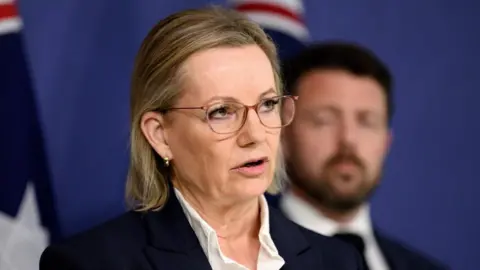
The Coalition is back together and looking to the future, not to the past, Liberal Party leader Sussan Ley said, appearing alongside National Party leader David Littleproud in Canberra.
The Coalition split on 22 January after the Nationals, citing free speech concerns, refused to back reforms moved by the government following a tragic incident where two gunmen targeted a Jewish festival at Bondi Beach, killing 15 individuals.
It's been disappointing; we’ve got to where we are, but it was over a substantive issue, Littleproud acknowledged.
Last year, the Coalition faced a heavy election loss, and this recent division marked the second within less than a year. The prior separation in May largely revolved around climate and energy policies, which was resolved quickly. In contrast, the current conflict stems from recent hate speech reforms sought by the centre-left Labor government in response to the Bondi Beach attack.
While the Liberal Party sided with the government on the reforms, the Nationals abstained from voting in the lower house and opposed the measure in the senate, arguing the proposals were rushed and threatened free speech.
The legislation aims to ban groups identified as promoting hate and introduce stricter penalties on those advocating violence.
Ley emphasized the coalition's responsibility to regroup and regain governmental authority, stating, I acknowledge this has been a difficult time. It has been a difficult time for millions of our Coalition supporters, and many other Australians who rely on our two great parties to provide scrutiny and leadership.
Both parties have agreed that decisions made by the coalition's joint shadow cabinet cannot be overturned by either party alone. Dating back to the 1940s, the coalition had not previously experienced such splits since 1987, with the most recent separation last year.
The Nationals, which primarily represent regional communities, are generally seen as more conservative than their Liberal counterparts. The Coalition now faces pressure from populist Senator Pauline Hanson’s One Nation party, known for its anti-immigration stance, which has gained traction in recent polls following the Liberal Party's significant seat losses at the last federal election.