Rising Shadow Fleet: Navigating the Challenges of Sanctions-Busting Ships
On January 26, an urgent email sent from a crew member aboard a tanker off Singapore revealed alarming conditions, shedding light on the growing issue of shadow vessels operating under false pretenses. This crew member reported unpaid wages and low provisions, but what escalated concern was the identification of the vessel as a sanctioned ship known as the Gale, previously hidden under the name Beeta.
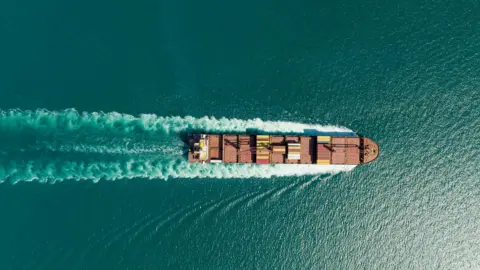
The situation symbolizes a larger problem as the maritime industry sees an uptick in 'shadow fleets'—tankers operating without proper oversight or adherence to international regulations. According to estimates from TankerTrackers.com, the shadow fleet has swelled to 1,468 vessels, marking a significant increase since Russia's full-scale invasion of Ukraine.
These ships commonly transport oil from sanctioned nations like Russia and Iran, often employing a range of deceptive tactics such as changing names and using falsified documentation to evade detection. This proliferation raises urgent questions about how governments can tackle the ramifications of such illicit activities that finance warfare and repress nations.
Modern-Day Slavery at Sea
Reports from the International Transport Workers Federation indicate that crew members on these vessels frequently encounter dire circumstances, often qualifying their treatment as modern-day slavery. When shadow vessels evade regulations, they create an environment where abuses go unchecked and the rights of maritime workers are routinely violated. Seamen are often misled into working on these dangerous ships without full knowledge of their status, leading to potential exploitation.
But What Can Be Done?
Internationally, efforts to combat the shadow fleet have included the recent maritime operations undertaken by US and UK forces, as well as sanctions from European nations. While aggressive military actions have captured some vessels evading sanctions, those practices bring challenges concerning legal compliance and resource management. With both complexity and urgency at play, the question remains: how will governments effectively address these maritime shadows without exacerbating geopolitical tensions?
The future of sanctions and enforcement in maritime operations is precarious. The increasing complexity of tracking and controlling these vessels requires innovative solutions to prevent illicit activities from potentially undermining global security and trade stability.