In brief
Amid ongoing protests in Iran, Iranians inside and outside the country are divided on the prospect of U.S. intervention. Some see it as a necessary step to combat the oppressive regime, while others fear it could bring unintended consequences. Personal accounts reveal a tapestry of desperation, hope, and skepticism about foreign involvement in Iran's future.
For many Iranians, the question of U.S. intervention has shifted from theory to a painful reality. As protests erupted over oppressive conditions, the Iranian diaspora finds itself grappling with an uncertain and polarizing dilemma.
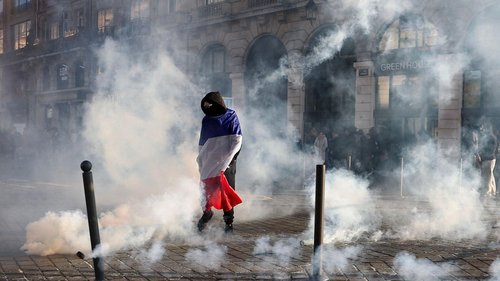
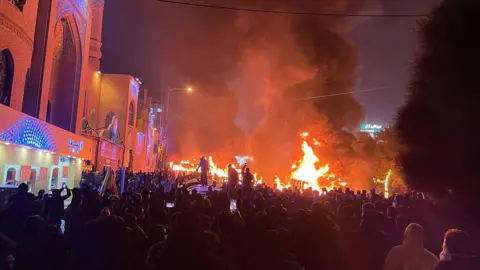
Mojdeh and her husband, stranded in Iran amidst violent protests, provide a personal view into the chaos. Their expectations of a routine visit turned to nights of fear as protests erupted and internet access dwindled. Their reflections encapsulate the urgency felt by many within Iran.
The narrative around foreign intervention is diverse. Some believe it should happen, viewing any military action as a potential remedy for human rights abuses, while others fear that such interventions could exacerbate suffering for the Iranian population.
Roozbeh, a former political prisoner in Iran, states that true change must originate domestically, emphasizing the importance of internal unity and mobilization among the Iranian people.
In contrast, opinions like those of Ali argue for targeted action against the regime, cautioning that reform attempts only lead to more pain and loss. His view echoes sentiments among those who feel that without foreign pressure, reform is an exercise in futility.
As human rights abuses unfold across Iran, with thousands arrested and reports of violence, the urgency of addressing the situation grows. Conversations within the Iranian diaspora reflect a deep-seated concern for their compatriots and generate heated debate over the implications of U.S. involvement.
In the midst of this turmoil, the lasting impact on the Iranian people remains the central concern, with many hoping for a path toward dignity and change that honors their aspirations and sacrifices.