Over the past year, a significant rise has been reported in the number of oil tankers and other commercial ships being abandoned worldwide. This trend raises crucial questions about the causes driving this spike and the human impact on affected merchant sailors.
Ivan (not his real name), a senior deck officer aboard one such abandoned oil tanker near China, shared his dire situation. We had a shortage of meat, grain, fish—simple things for survival, he explained. The crew faced hunger and rising frustration, struggling to survive day-to-day.
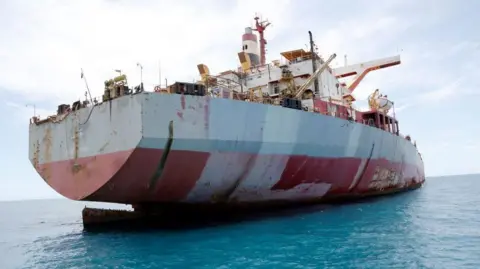
The tanker, laden with approximately 750,000 barrels of Russian crude oil valued at around $50 million, was abandoned in December after the crew reported not being paid for months. The ship remains in international waters, with the Chinese government unwilling to allow it into port amid growing scrutiny.
The International Transport Workers' Federation (ITF) has intervened to assist Ivan and others by ensuring they receive back pay and essentials like food and water. While some crew members have been repatriated, most, including Ivan, remain stranded.
Data from the ITF reflects a startling increase in ship abandonment, with 410 reports in the past year alone, affecting over 6,000 seafarers—up nearly 33% from the previous year. Geopolitical instability and the Covid pandemic have disrupted supply chains and driven freight costs up, leading to financial struggles for many shipping operators.
Moreover, the emergence of “shadow fleets,” consisting of aging vessels under obscure ownership that operate with minimal regulatory oversight, significantly contributes to the increasing abandonment rates. These shadow fleets often attempt to bypass international sanctions imposed on countries like Russia, Iran, and Venezuela.
The situation is historical; the use of flags of convenience (FOCs)—where ships are registered in countries offering less stringent regulations—has grown. In 2025, over 82% of abandoned ships were registered under FOCs. Such regulatory loopholes expose these vessels and their crews to heightened risks of abandonment.
Despite ongoing challenges, the ITF’s assistance has been crucial, recovering approximately $16.5 million in wage arrears owed to seafarers globally. As the world navigates these complex maritime issues, the stories of crews like Ivan’s highlight the urgent need for reform in shipping industry practices to protect maritime workers from abandonment and its grim consequences.