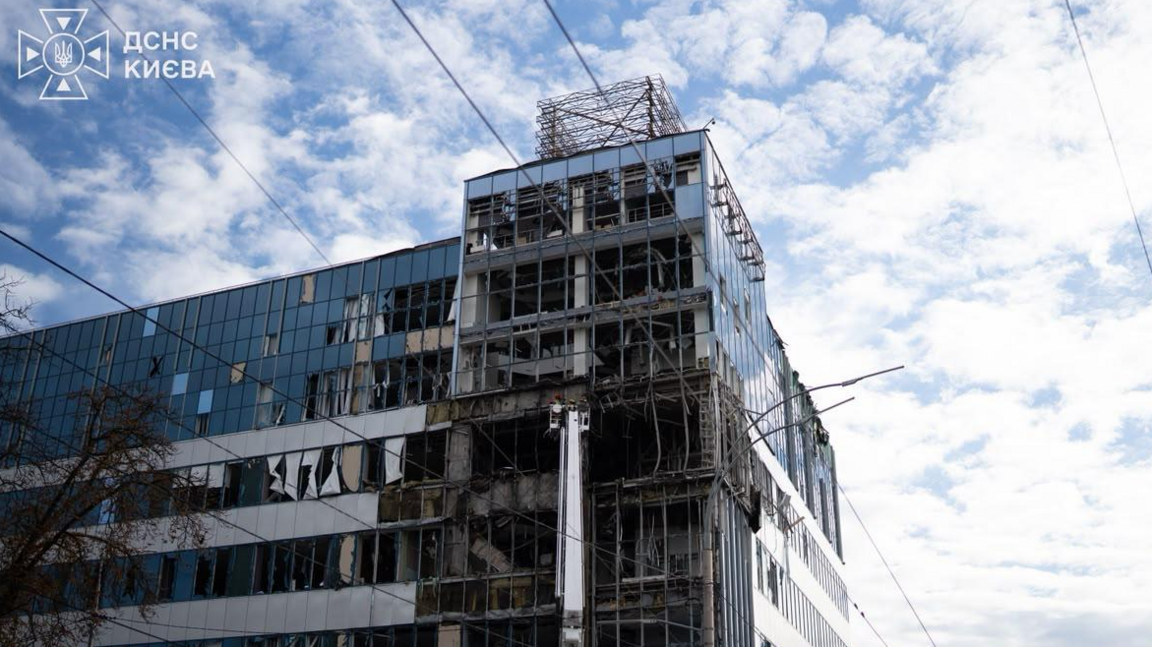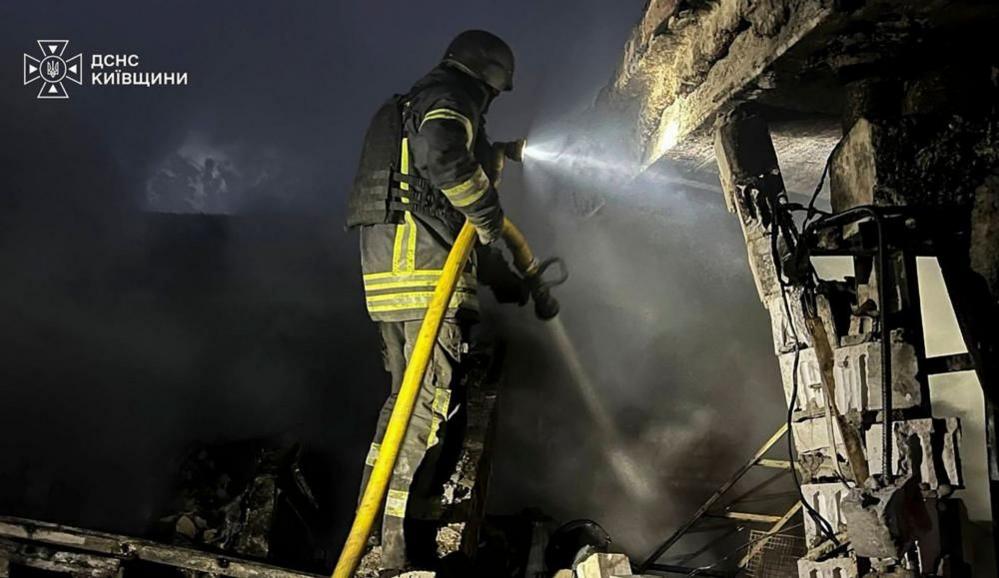
Russia launched its largest strike on Ukraine's energy grid this evening, hitting more than a dozen regions and causing five deaths, officials said. The assault, described by Prime Minister Denys Shmyhal as the toughest attack since the spring, focused on Kyiv and its surrounding area.
At least one child in the Kyiv region died when a shell hit a residential building. Local power firm DTEK reported that 8,000 households had their power cut during the night, though most were restored by dawn.
One of the main targets was the Trypillia thermal‑power plant, the largest supplier to Kyiv’s grid, which sustained damage confirmed by its operator Centrenergo. Other facilities—including railway stations, a school in Sumy and a rural warehouse—were also struck, apparently aiming at both civilian and strategic infrastructure.
In reply, Ukrainian forces claim they intercepted more than 380 drones over Russian territory, and they struck a Russian drone depot in occupied Donetsk. President Zelensky travelled to frontline bases to brief troops after reports of a counter‑offensive effort near Lyman.
From Moscow’s standpoint, the defence ministry said the attacks were directed at energy supplies that support military facilities, while the Kremlin emphasized readiness to respond. International analysts warn that relentless air strikes could erode civilian morale and risk wider accountability for the war.
Experts assess that repeated assaults on the grid may threaten Ukraine’s long‑term energy security, yet defenders argue resilience and rapid restoration reflect preparedness for a protracted conflict.