Zaporizhstal Steelworks Left in Ruins by Russian Missiles
For months, the city of Zaporizhzhia has relied on its steel factory, Zaporizhstal, as the main source of employment and economic activity. Hundreds of workers have spent generations building the plant into a national landmark.
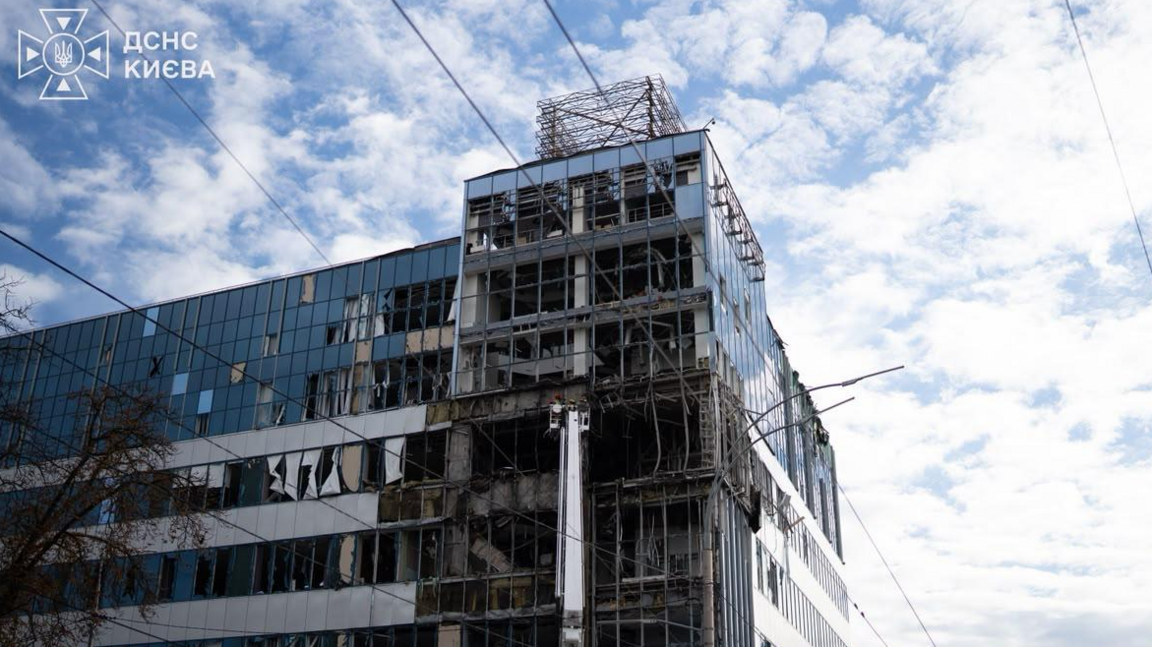
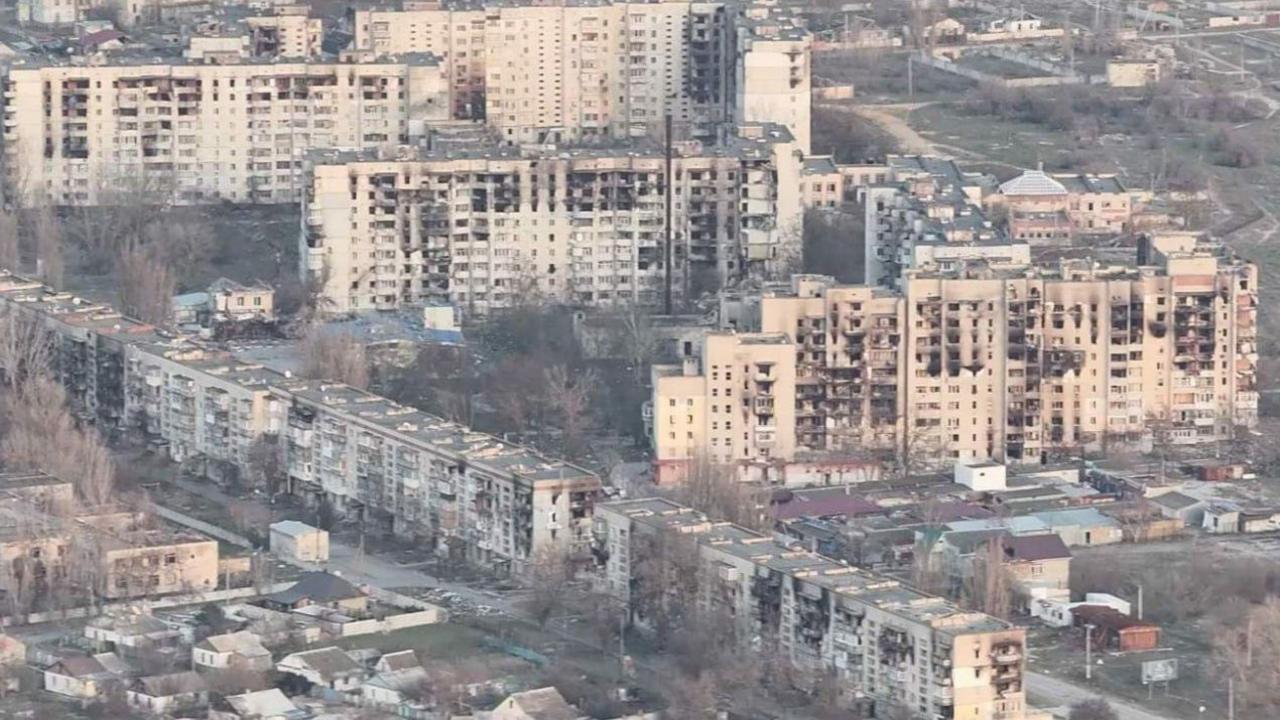
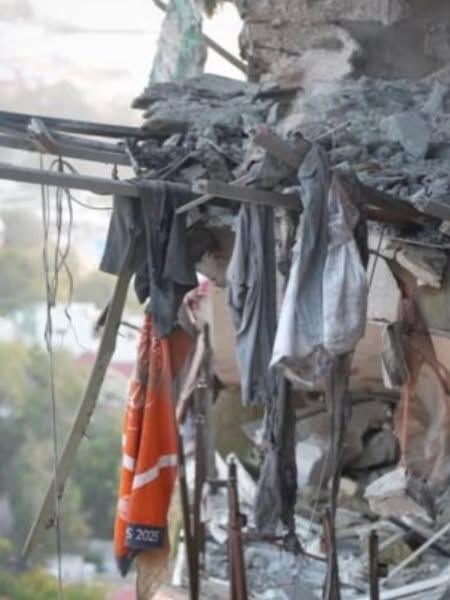
That changed when four waves of Russian missiles struck the site, the last on 25 September. A total of 17 missiles fell, destroying the blast furnaces, breaking windows, and leaving large holes in the roofs. Eight workers lost their lives and 31 were injured, according to the company’s chief operating officer.
The plant, which once employed 8,500 people, is now shut down indefinitely and may never resume production. At the moment, there is no clear timetable for repair, although a small team has begun clearing rubble and repairing what they can.
Metro‑engineer Oleksandr Myronenko says the attacks have turned a vital part of Ukraine’s economy into a shadow of its former self. The steel sector had supplied roughly 10 % of the country’s GDP and was a third of its exports before the invasion of 2022. Now that steel production is halted, the sector’s contribution to GDP is close to zero.
Metinvest, the company that owns Zaporizhstal, estimates that steel exports have fallen from $22 billion to $6 billion, while tax revenue has dropped to $0.87 billion from $3.5 billion. The broader metallurgical and mining industries, which employ more than half a million people, are likewise devastated.
Local leaders warn that the economic collapse of one plant could trigger a humanitarian crisis. Taxes from industrial output lingered in the city’s budget for years; now the loss of nearly 80 % of that revenue could force cutbacks in housing, education, and health services. The shortage of steel also threatens the nation’s defence and reconstruction capabilities, as steel is essential for weapons, shelters, and repair of war‑damaged infrastructure.
Some officials have cited Russia’s alleged justification that the plants produce military equipment. Despite the claim, the silenced furnaces mean that the plant cannot supply the material it once did, leaving the Ukrainian army without a local source of steel.
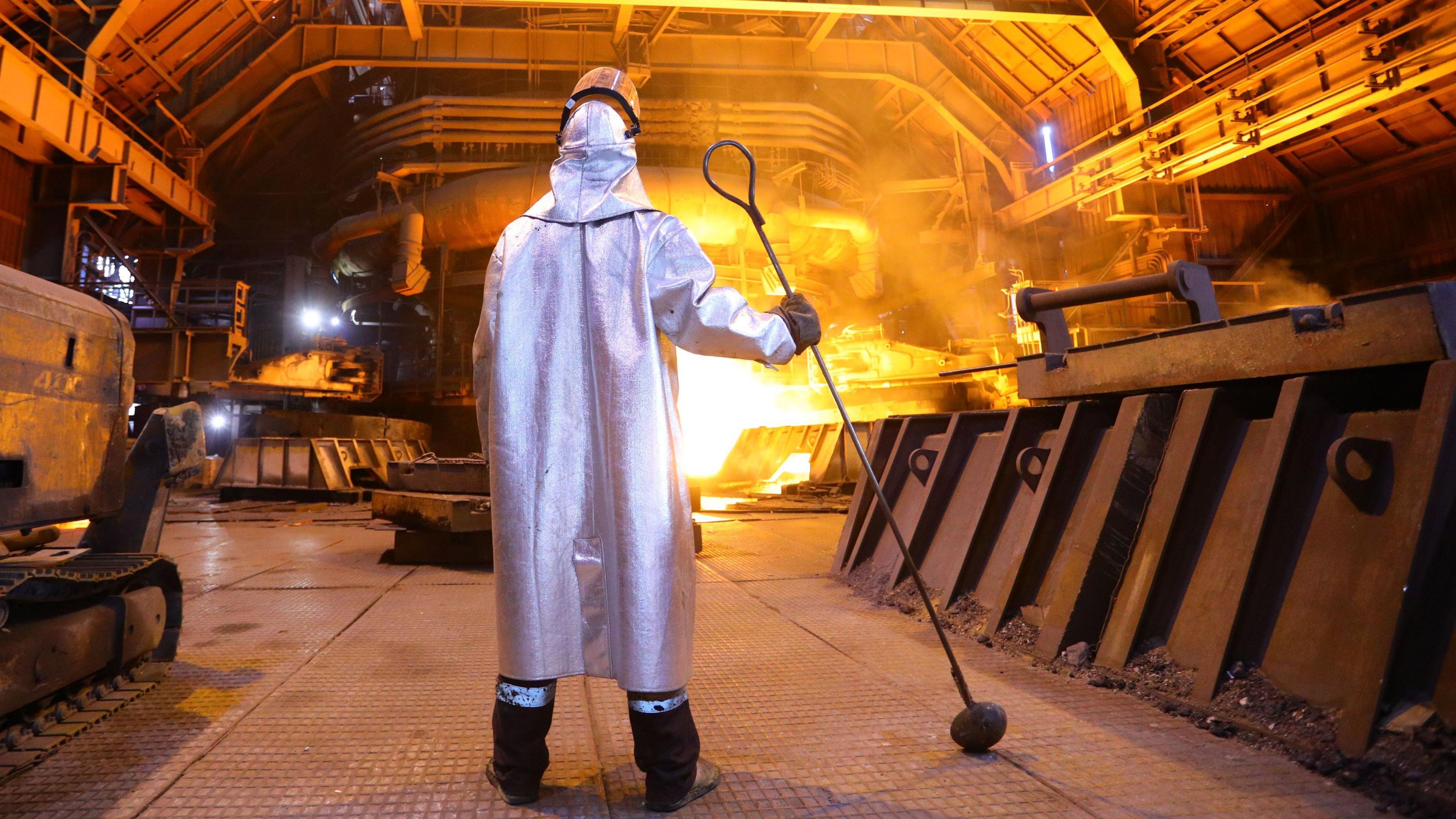
For now, the workers at Zaporizhstal work as they say “like soldiers,” clacking slag off the furnaces and clearing debris. Their determination, combined with the nation’s need, underscores a larger struggle: whether Ukraine’s industrial base can survive the war or must be rebuilt from the ground up.

Zaporizhstal blast furnace after a missile strike.