Parts of Australia will face catastrophic fire conditions on Friday as heatwaves hit most of the country, creating the most 'significant' conditions since the Black Summer bushfires.
Severe to extreme heatwaves have been declared in every state and territory in Australia, except for Queensland, with high temperatures forecast for days.
The state of Victoria has declared a total fire ban for Friday, with northern areas shutting 450 schools and childcare centers as the fire danger level for the region will be set at 'catastrophic' - the highest level.
One meteorologist noted that the combination of heatwaves and elevated fire danger poses a risk not seen in years.
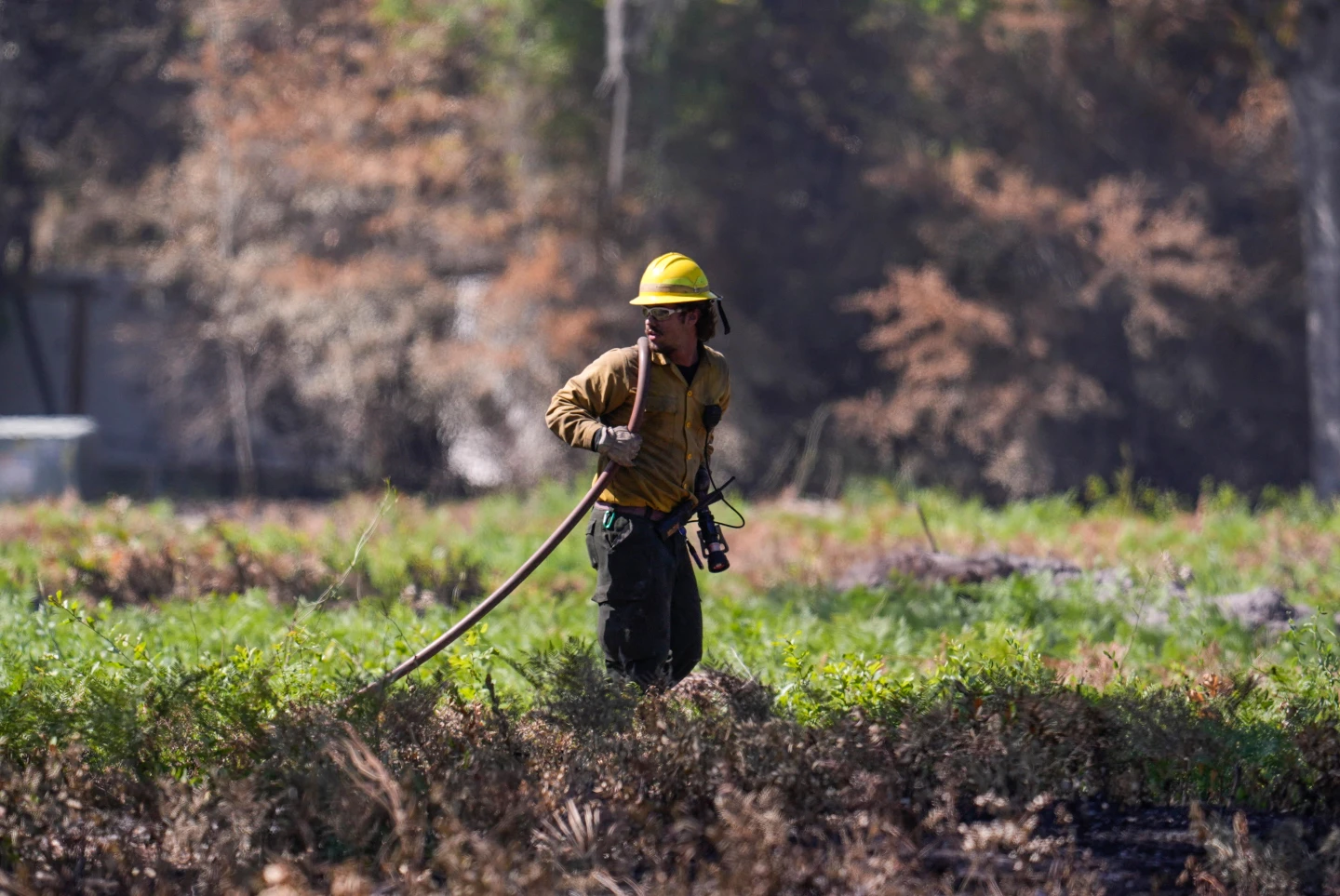
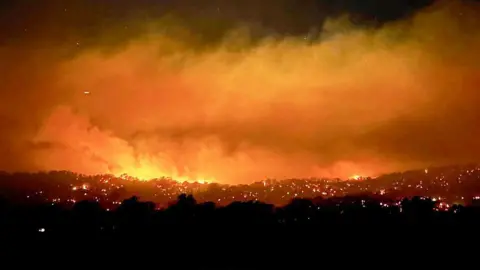
On Thursday, firefighters battled several fires in Victoria and New South Wales, with a dozen planes carrying water called in to tackle a large blaze near Wodonga city.
Melbourne experienced its hottest day in six years on Wednesday with a high of 40.9C (105.6F), while some coastal towns in Western Australia hit 49C.
In NSW, the heatwave is expected to peak on Saturday with Sydney facing temperatures of 42C, while parts of South Australia and Western Australia will see temperatures over 40C in the coming days.
The real peak of the current burst of heat is anticipated Friday, with almost all of South Australia, Victoria, and most of New South Wales experiencing extremely high temperatures.
The first significant heatwave for Melbourne and Adelaide has arrived, with fire conditions worsening.
Winds are expected to strengthen across Victoria, and coupled with possible thunderstorms and dry lightning strikes, the fire danger will reach catastrophic levels for the northern parts of Victoria.
This situation marks the most significant event at a multi-day level for inland southeast Australia since 2019-2020, a period that witnessed the catastrophic Black Summer fire season.
Authorities have warned that a catastrophic fire danger rating indicates potential blazes can be unpredictable and uncontrollable.
Officials urge community members to act proactively by preparing and enacting their bushfire survival plans in response to the ongoing threat.