In brief
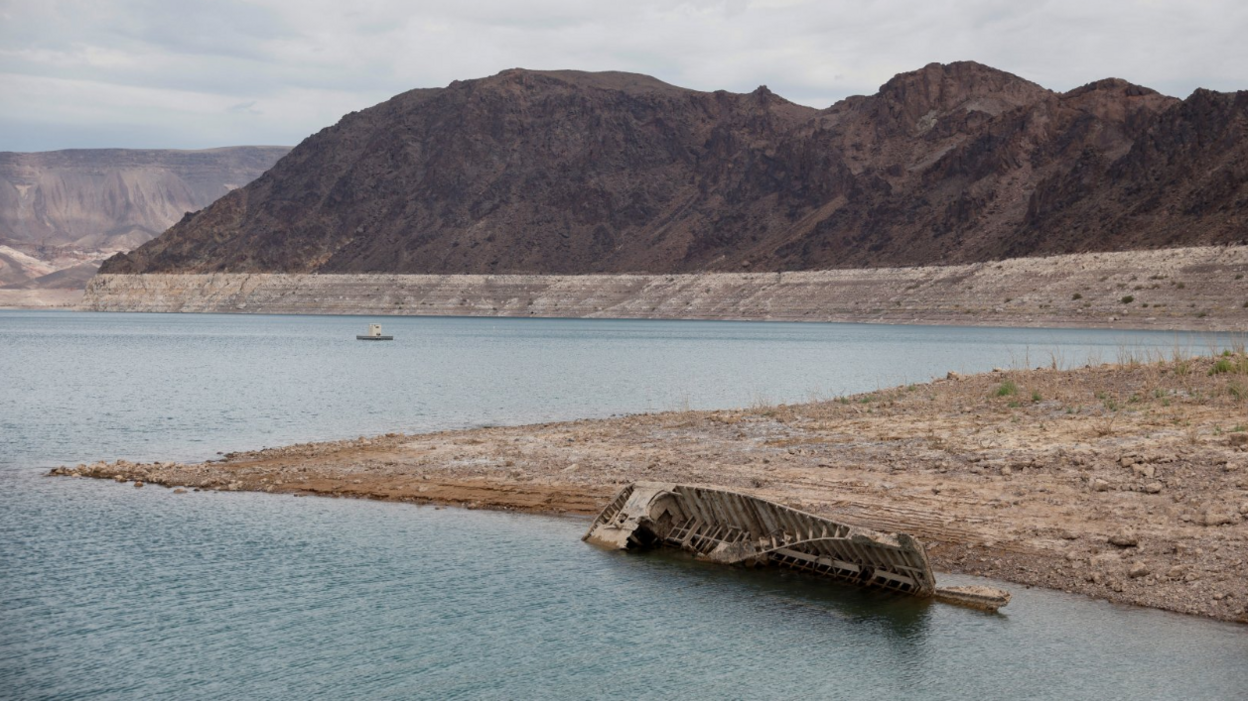
Human skeletons, including a jaw with teeth still attached, were discovered in the exposed shoreline of Lake Mead, the United States’ largest reservoir, as water levels fall to record lows. The National Park Service and local police responded to reports of the remains on August 16, declaring the incident under investigation. The find highlights the wider drought crisis affecting the western United States, where persistent high temperatures and reduced rainfall have historically lowered water reserves. Similar discoveries in rivers and reservoirs across Europe, such as the Danube in Hungary and a reservoir in England, suggest that rapid water level decline can expose buried artifacts and remains. The incident underscores ongoing challenges to water supplies, heritage protection, and the broader impacts of climate change on the region.
A team of National Park Service rangers and Las Vegas Metropolitan Police officers investigated a potential skeleton that had emerged on the exposed shore of Lake Mead, the largest reservoir in the United States, on August 16.
Officials confirmed that a jawbone, complete with teeth, was among the remains discovered at the Boulder Beach area on the Nevada side of the lake, which sits on the border with Arizona.
The incident was reported by a woman and her friend who were enjoying the water’s edge. A local visitor commented that the low water level had made the bones visible, saying, "The water looks very low compared to where it should be. As the water goes down, the skeletons come up."
Lake Mead has seen steady declines in volume since the 2000s, with the most recent water level measurement at 1,040 feet above sea level, below the record low set in July 2022. The reservoir sits largely within a region classified as moderate drought by the U.S. Drought Monitor.
Scientists link the persistent heat and reduced precipitation to broader climate change patterns, noting that rising temperatures have led water bodies in several countries to recede sharply. In Europe, similar low-water events have surfaced wartime artifacts: bodies of World War II soldiers were recovered from the Danube near Budapest, and a German army motorcycle has been unearthed in Serbia. In the United Kingdom, the clearing of a submerged reservoir in Rutland has exposed the site of a former village that was flooded under a 20th-century development plan.
At present, the National Park Service has placed the finding under investigation, with no additional details released. The discovery underscores how drought conditions may uncover previously buried remains or artifacts, prompting both cultural heritage considerations and water management challenges for the region.