Spanish Police Arrest 78 in Major Smuggling Network Bust
Spanish and Algerian authorities announced the dismantling of a sophisticated trans‑Mediterranean smuggling operation that trafficked drugs and people between the western Mediterranean and the Iberian Peninsula.
Europol stated that 78 suspects were arrested in Spain and Algeria in a coordinated sting operation. The group had been linked to violent robberies, extortion, illegal detentions and money laundering.
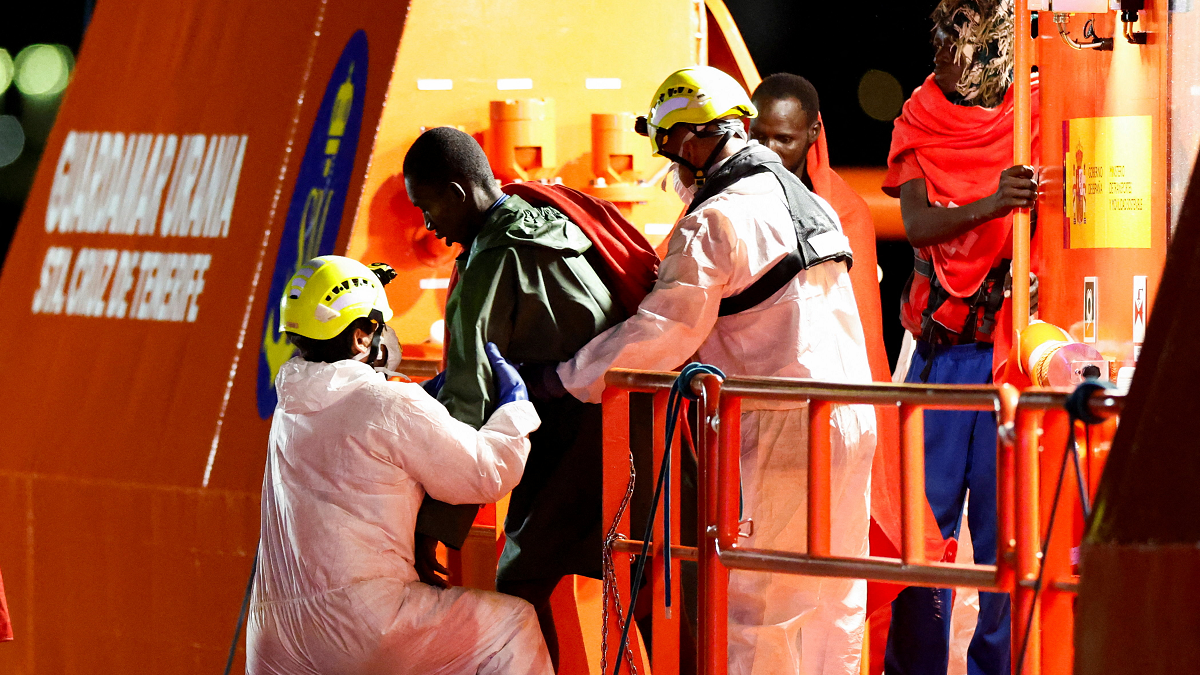
The network moved synthetic drugs from Spain and Portugal to Algeria, and then used the return leg to smuggle migrants and weapons to the Spanish mainland and the island of Ibiza on “ghost speedboats” – vessels designed to evade registration and detection.
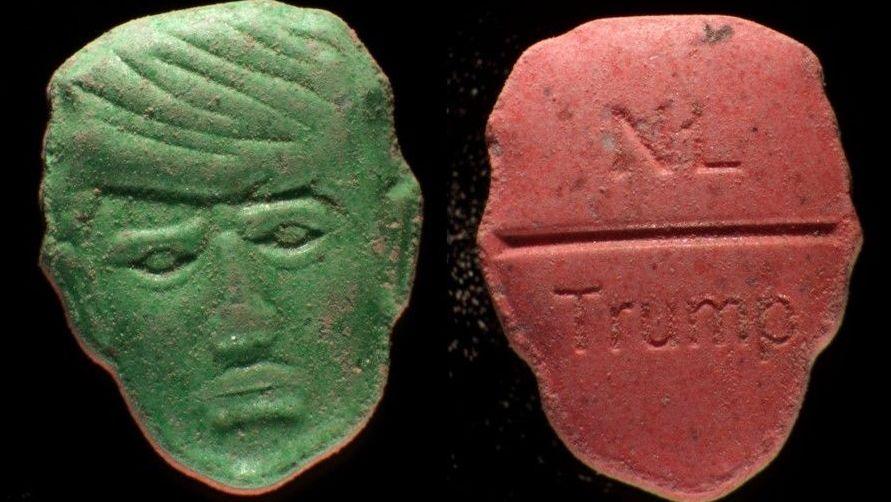
Police seized eighteen high‑speed vessels worth a combined €5 million, firearms, more than €25 000 in cash, and 15 000 MDMA pills. Over a single trip, the smugglers could transport more than 50 migrants, charging up to €12 000 per person, with total profits from migrant smuggling estimated at over €24 million.
Investigations revealed the network also serviced other organised crime groups, facilitating the movement of illicit goods and people across the Western Mediterranean. The organisation’s routes connected France, Spain and Portugal to Algeria, where cannabis resin, weapons and migrants were shipped back to Spain.
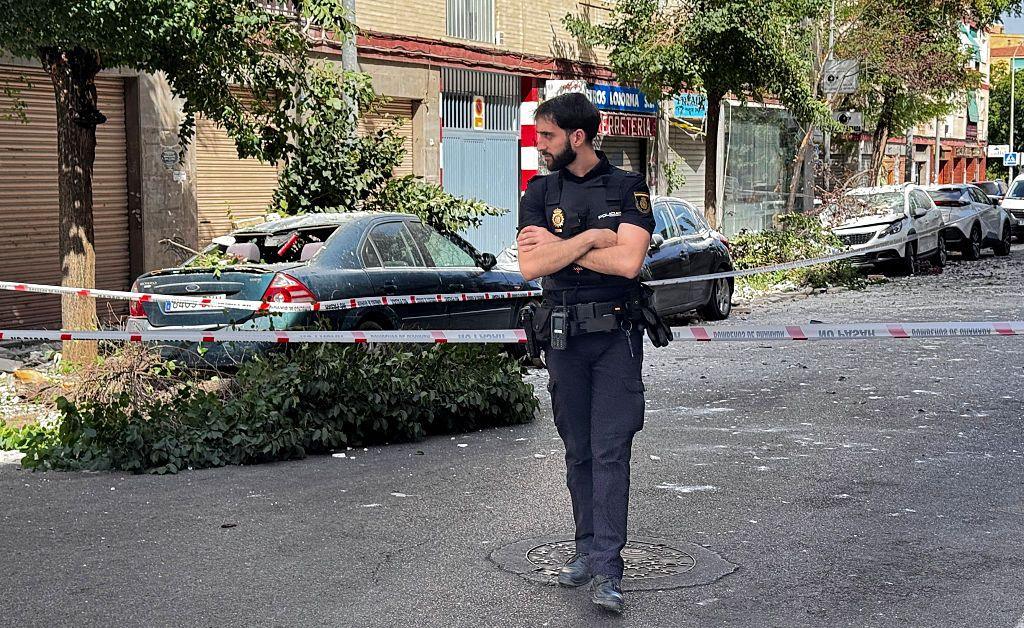
The operation was carried out by Spanish police across seventeen locations, including Alicante, Almería, Cartagena and Murcia. Investigators noted that migrants were often transported in overcrowded boats without life jackets or lighting, under extreme weather conditions, and suffered sexual assaults and physical abuse.
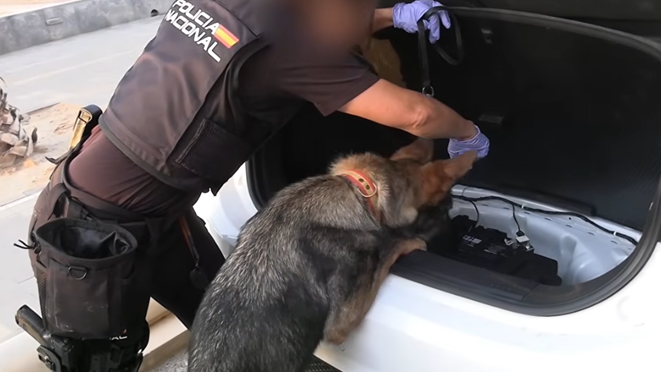
The suspects were primarily of Algerian origin and had links to criminal groups in France, Belgium, Portugal, Italy and Poland. Other items seized included satellite phones, GPS devices, encrypted communication tools and satellite dishes.
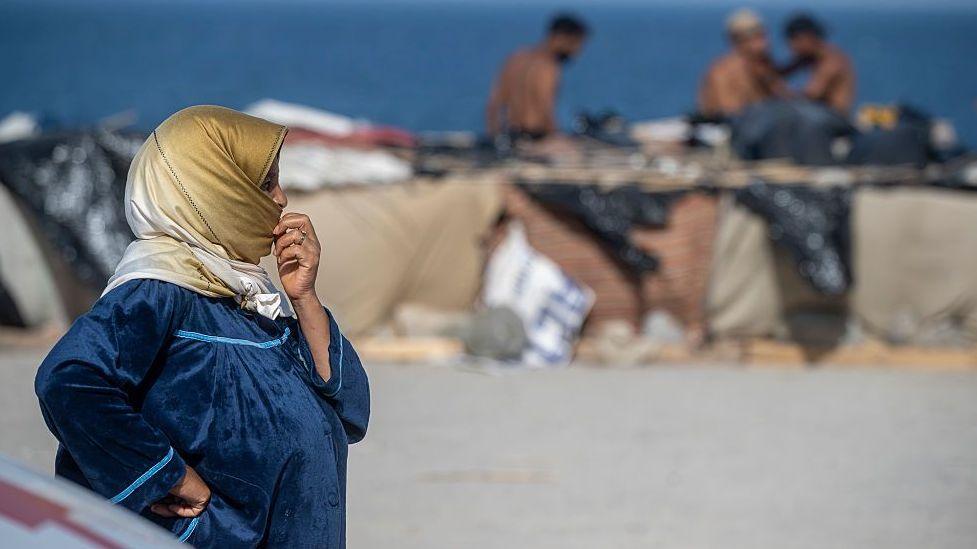
Background: a week earlier, roughly 78,000 migrants had fled into the Spanish North African territory of Ceuta, blamed on online rumours of an open border. Most returned to Morocco, but between 3 000 and 5 000 remain in the exclave, according to its leader, Juan Jesús Vivas.