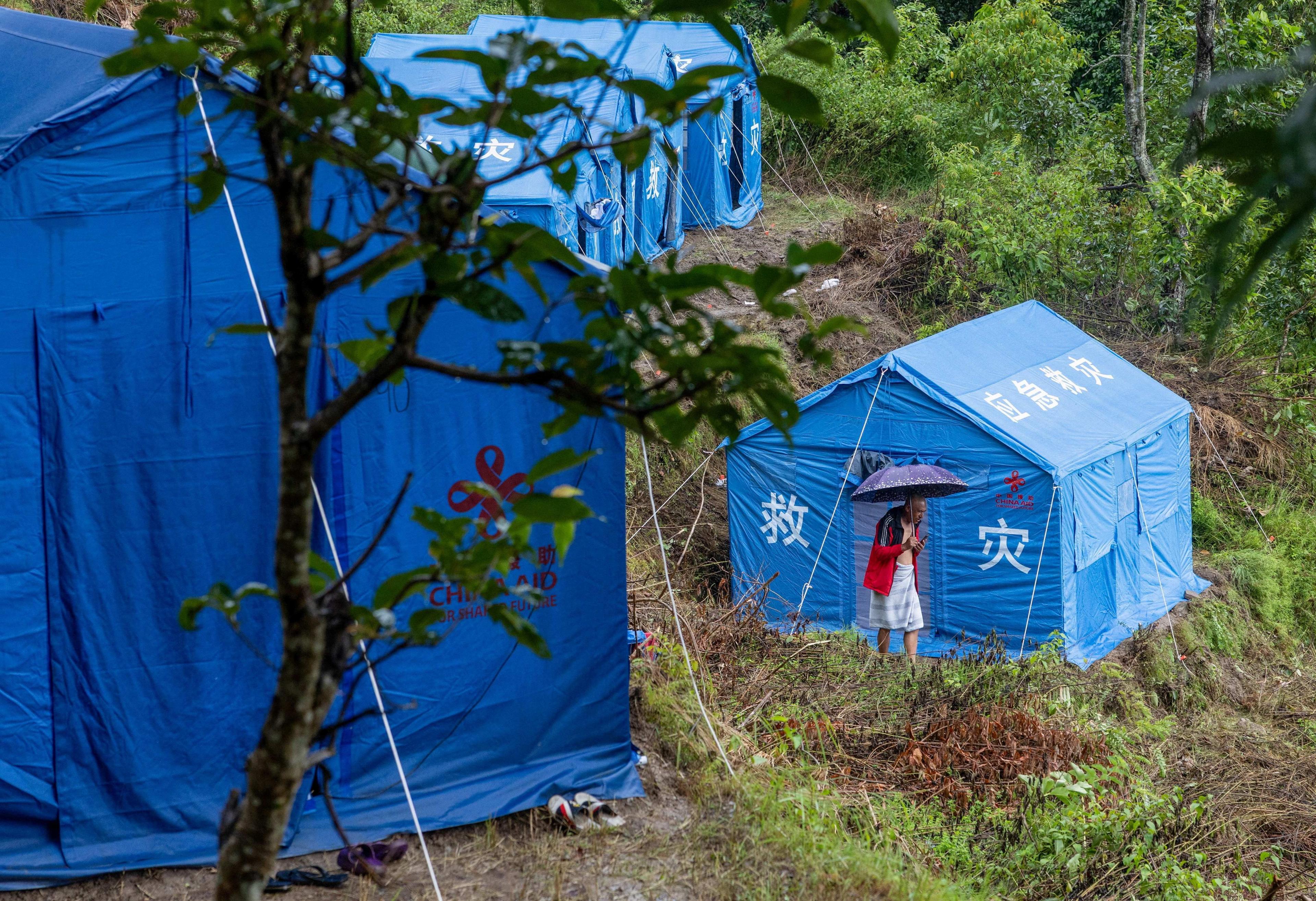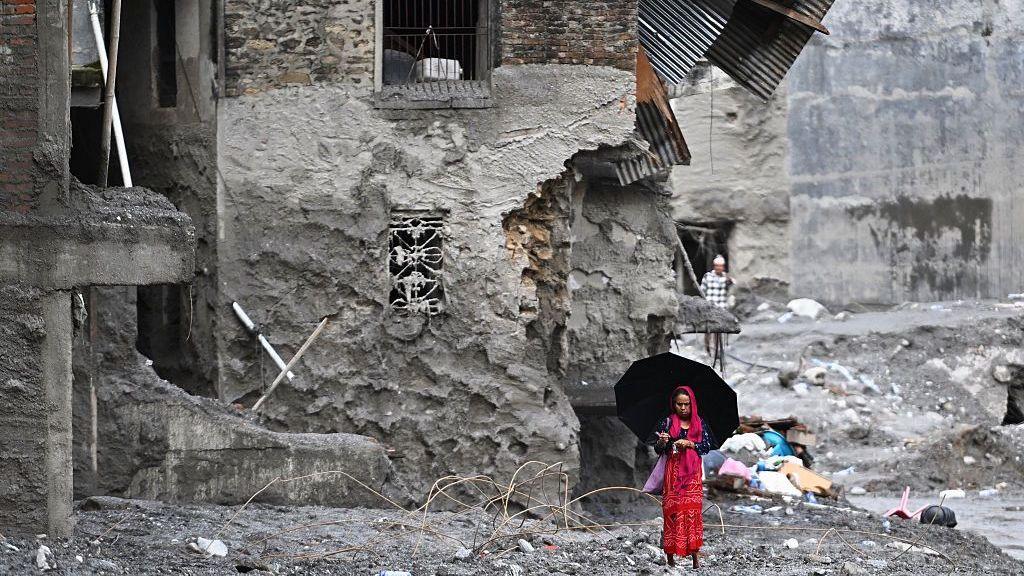
After floods devastated their village, Indrani Ravichandran and her family are back in their house, living in the only section that is still standing. They are among the many victims of Cyclone Ditwah that ravaged the country last November.
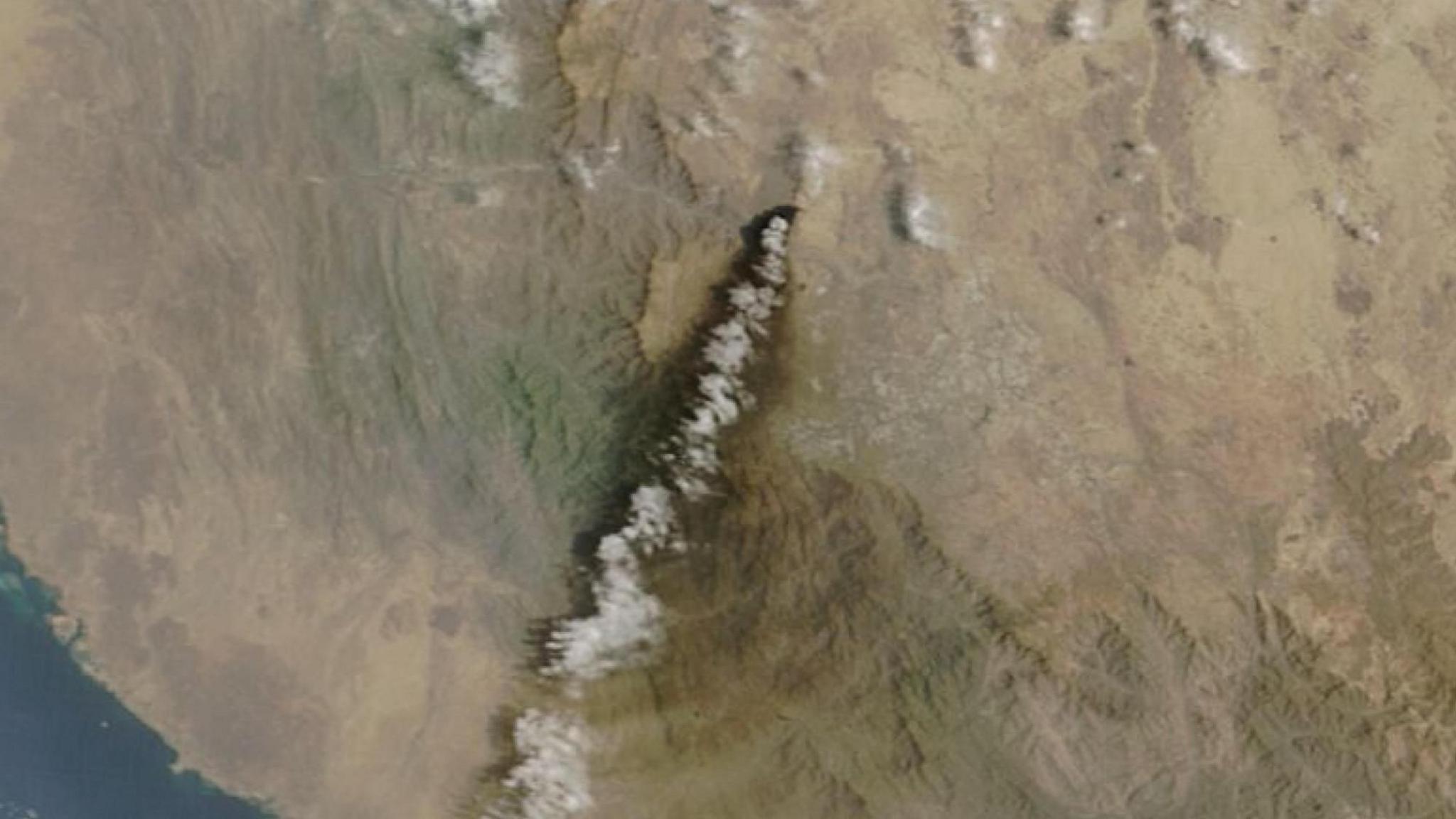
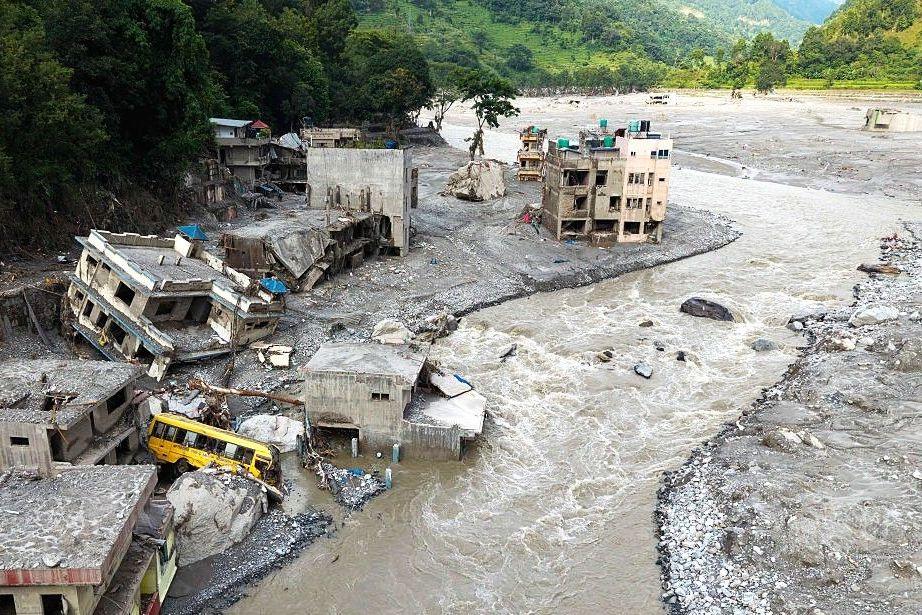
Over just three days, parts of Sri Lanka's central uplands saw up to 500mm of rain, causing catastrophic floods and landslides that swept away homes, businesses, and entire settlements. The human cost was devastating — 643 people were killed and another 173 went missing.
The US and Israel's conflict against Iran has added to the crisis, creating a 'triple shock' for Sri Lanka still recovering from the flood's aftermath while coping with soaring fuel prices and an impending drought in some areas.
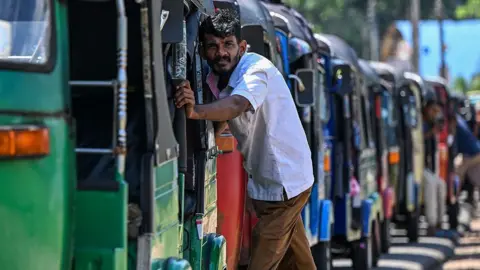
In the weeks following the cyclone, the Sri Lankan government has had to act swiftly by rationing fuel, raising prices, and introducing power cuts as part of measures to manage dwindling resources. Panic buying has returned as the country recalls its struggles from 2022, when it defaulted on its foreign debt.
While Indian aid has been substantial in the aftermath of the cyclone, providing essential supplies and financial assistance, international responses have been muted compared to previous humanitarian crises. The Sri Lankan government continues to find its footing amidst economic instability, with concerns growing that the current situation might not improve without adequate support and effective fiscal management.
Indrani's family received government assistance to repair their damaged home, but many still await financial help as they navigate through the effects of both natural and economic calamities.
}