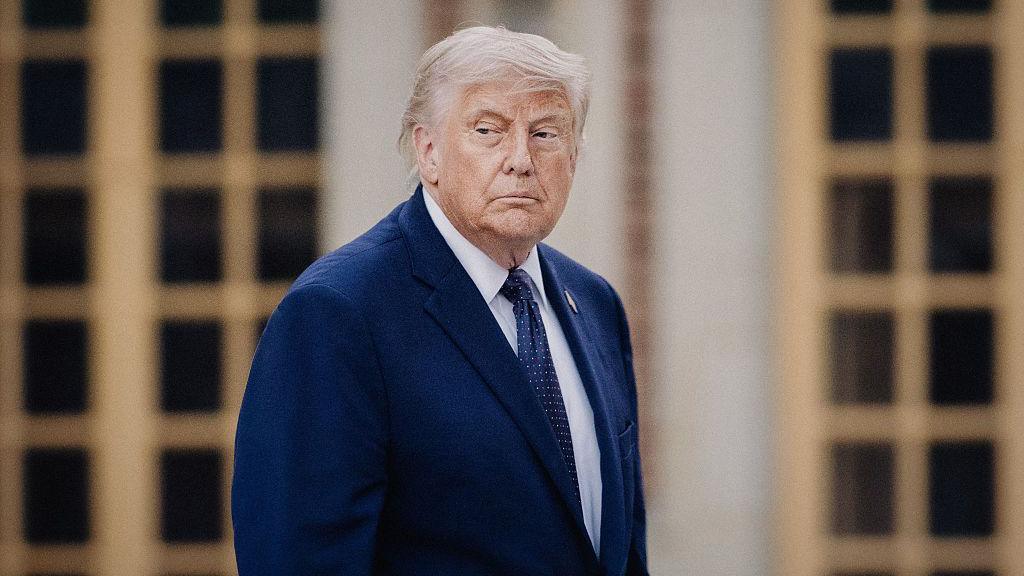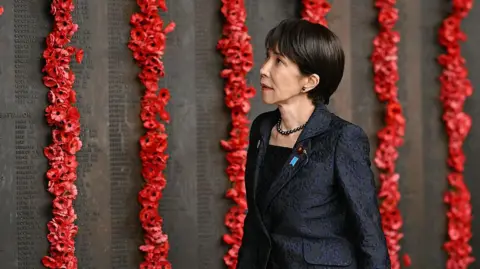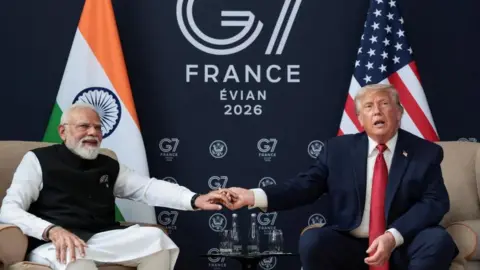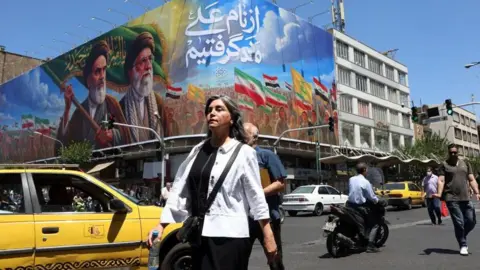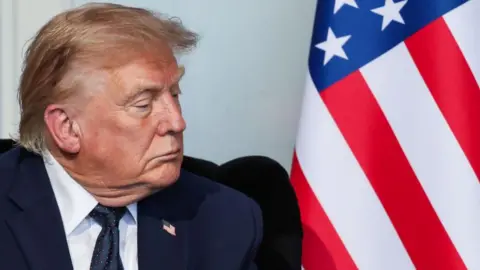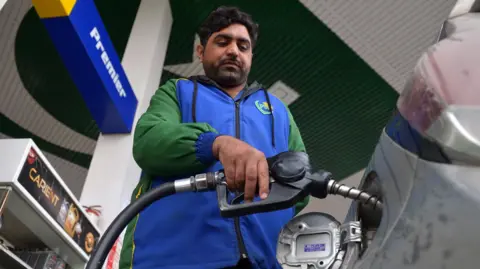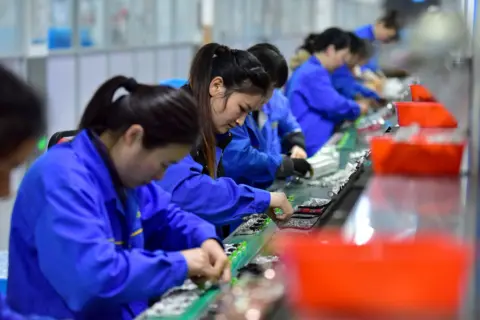
In the backstreets of Foshan, a significant manufacturing hub in China, workers gather, reflecting a somber reality. The discontent over their working conditions is palpable as they express frustration over low wages and bleak job prospects amid shifting economic dynamics. While China managed to navigate the challenges posed by Donald Trump's tariffs, the ongoing conflict in the Middle East, particularly the US-Iran war, now threatens to weave further challenges into its economy.
As workers share their stories of struggle, many are confronted with the freeze on factory orders and rising operational costs, pushing them into precarious financial positions. The narrative of steady growth is juxtaposed with sentiments of desperation and the fear of unemployment, highlighting a critical moment in China's economic journey.
Recent statistics illustrate this downward trend, as factory orders dwindle and prices for essential materials surge by an estimated 20%. The manufacturing landscape is adapting towards advanced technologies, but workers in traditional roles find themselves at a crossroads as job opportunities shrink.
Despite the grim experiences reported on the ground, the Chinese government is strategically maneuvering through this geopolitical crisis, emphasizing the importance of peace in the Middle East to stabilize its economy.
The situation presents a juxtaposition of aspirations and challenges. While the Canton Fair showcases China's technological advancements and electric vehicle exports soaring by 140% year over year, the underlying struggles in the manufacturing sector signal an urgent need for reassessment and resilience in the face of evolving global tensions.