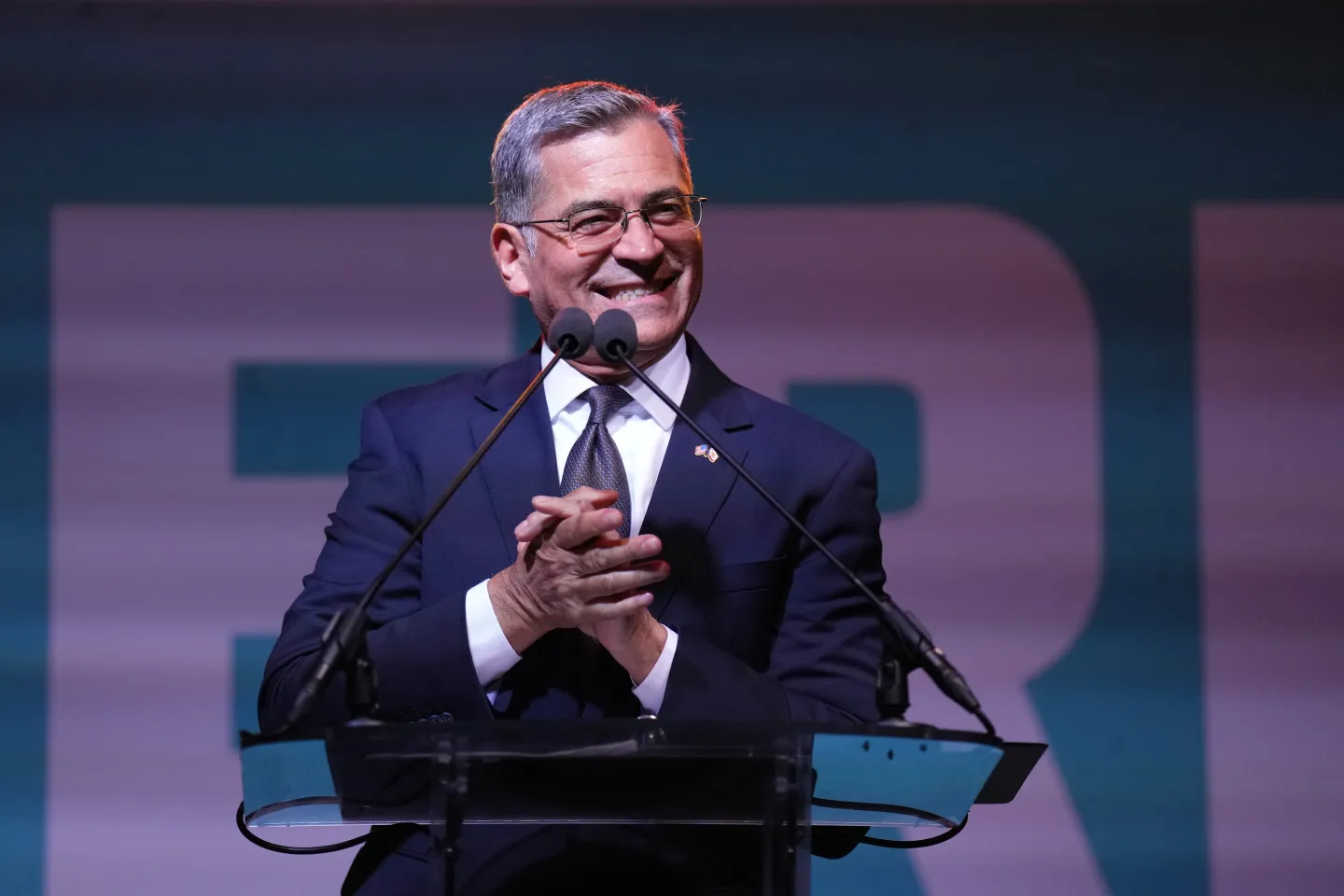
Proposals to prohibit federal immigration agents from masking their faces have gained traction in various states, ignited by a court ruling that nullified California's pioneering law against such practices. Recently, Washington state's Democratic governor, Bob Ferguson, indicated plans to sign a law that would restrict facial coverings for law enforcement officers, setting a precedent that could influence other states as well.
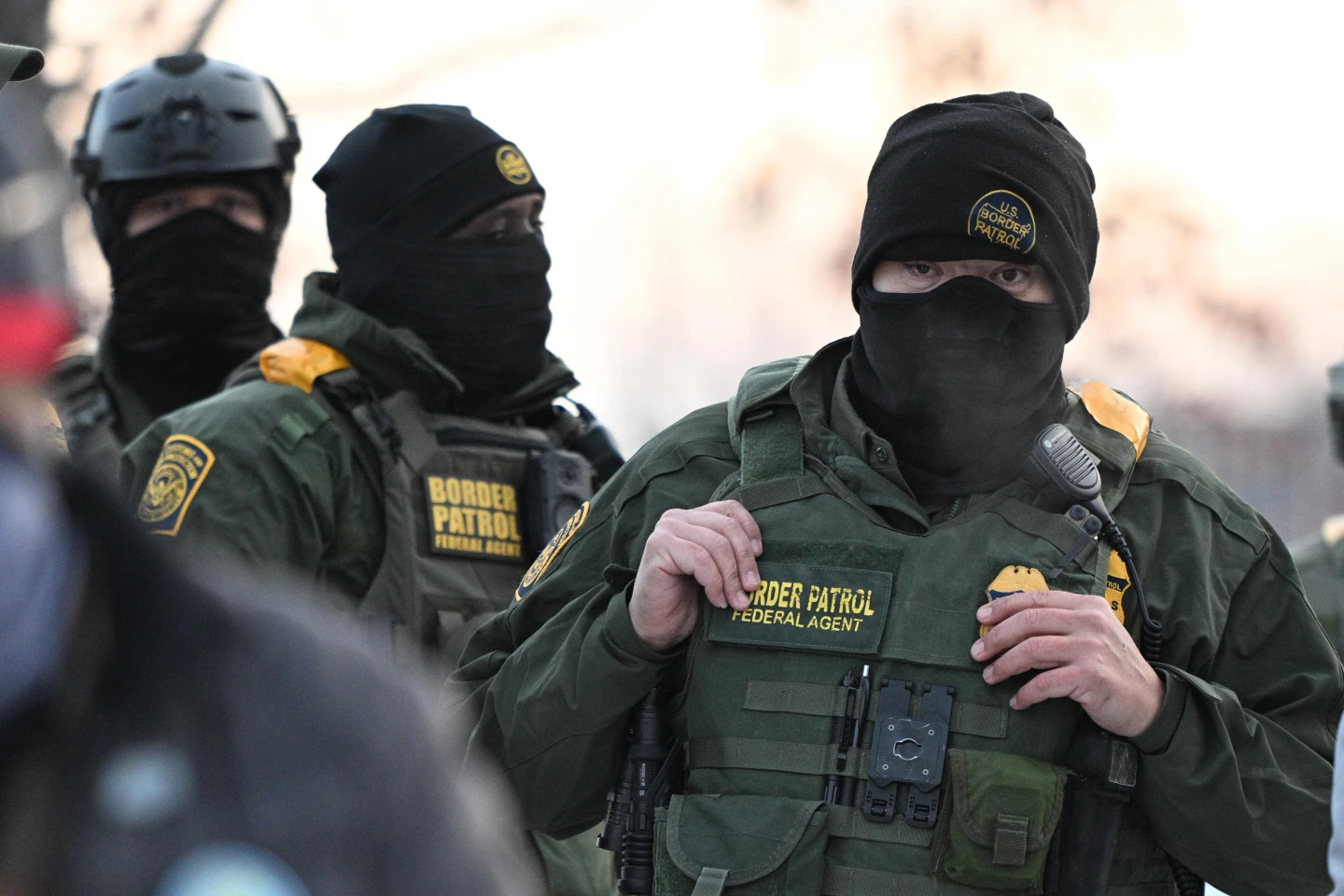
Following similar patterns, Democratic-led legislatures in Oregon and Virginia have also approved anti-masking bills, while additional states like Hawaii, Maryland, and Vermont are exploring similar measures. These proposals arise in the context of President Trump's immigration enforcement strategies, where federal agents sometimes wear masks, leading to allegations of unaccountable behavior.
The Department of Homeland Security criticized Washington's new law, calling it “irresponsible, reckless and dangerous,” with officials declaring they will not adhere to what they deem an unconstitutional ban.
The constitutionality of such mask restrictions remains a contentious issue. A federal judge previously ruled California's mask ban discriminatory against federal law enforcement, suggesting it applied a double standard since state officials were not included. This ruling, while a victory for the Trump administration, simultaneously pointed towards avenues for other states to implement similar restrictions.
Reason Behind Mask Restrictions
Although masks are not commonly worn by law enforcement on a standard basis, the Trump administration had permitted their use to protect officers from harassment. The push for restrictions intensified after federal agents wore masks during controversial large-scale immigration enforcement actions in various cities.
As discussions about the implications of mask wearing for law enforcement unfold, the focus on transparency continues. Legislative actions not only aim to restrict masks during public interactions but also invoke the public’s trust in law enforcement, as the fear and intimidation associated with masked officers come into play.
Potential Challenges and Perspectives
Critics of the legislation highlight possible impacts on public perception of safety and the balance between protecting law enforcement officers and community trust. Republican lawmakers have voiced concerns that the restrictions may lead to a demonization of police personnel while allowing protestors to remain masked. They argue that the existing climate of protest creates a valid case for officers to conceal their identities for safety.
Some states have criminal laws in place concerning masked individuals in public to prevent intimidation and disguise during criminal activities. The stark contrast in how these laws are being crafted highlights ongoing debates about civil rights, public safety, and the priorities of lawmaking across the United States. As states continue to navigate these legislative waters, the debate over mask mandates for law enforcement is set to evolve further.