WASHINGTON (AP) — The Supreme Court has refused the Trump administration's request to deploy National Guard troops in the Chicago area to bolster its immigration crackdown. The justices declined an emergency appeal to overturn a ruling by U.S. District Judge April Perry that had blocked the deployment. An appeals court has similarly chosen not to intervene, indicating a significant challenge to the administration's strategy.
The Supreme Court's decision follows a lengthy deliberation period of more than two months, with dissent expressed by three justices—Samuel Alito, Clarence Thomas, and Neil Gorsuch. While the high court's order is not a conclusive ruling, its implications may influence other lawsuits surrounding Trump’s military deployments in other cities led by Democratic mayors.
This development marks a rare judicial setback for Trump, who had successfully secured several emergency appeals since his inauguration in January, including actions against immigrants and policies related to military personnel.
Initially, the Trump administration sought the deployment to facilitate law enforcement interventions citing potential 'violent resistance' against the enforcement of federal immigration laws. However, Judge Perry found no substantial evidence indicating an imminent threat of rebellion in Illinois, stating that protests had not significantly obstructed federal enforcement efforts.
The legal landscape surrounding National Guard deployments is evolving, with several states contesting the administration's actions. A prominent case involves more than 2,000 guardsmen deployed in Washington, D.C., facing legal scrutiny from District of Columbia Attorney General Brian Schwalb.
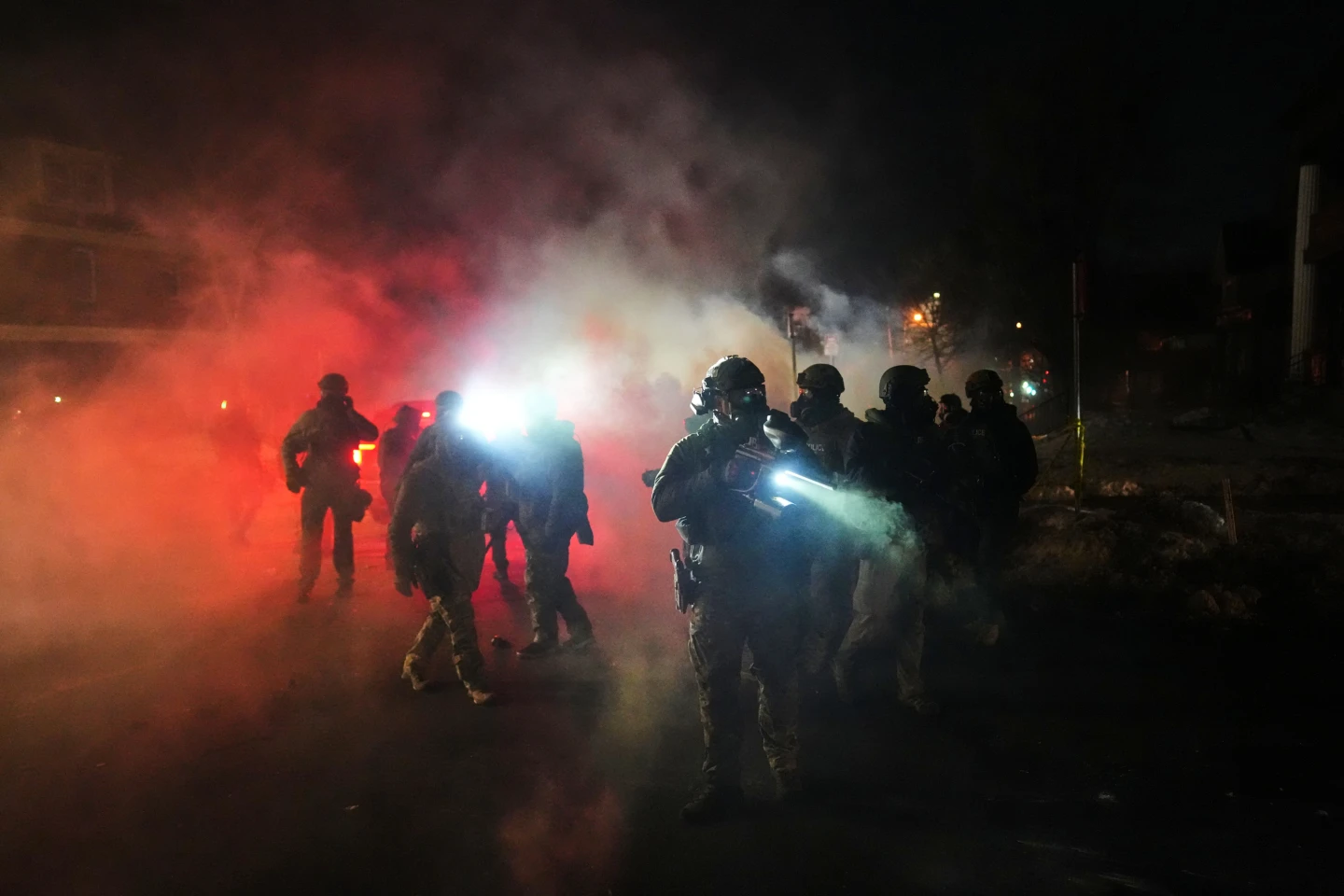
Recent events at immigration enforcement facilities like the one in Broadview, a Chicago suburb, have seen heightened tensions, evidenced by protests where federal agents have clashed with demonstrators. As the legal battles continue, the administration has appealed recent rulings in Oregon and California, further complicating the narrative around military involvement in domestic law enforcement.