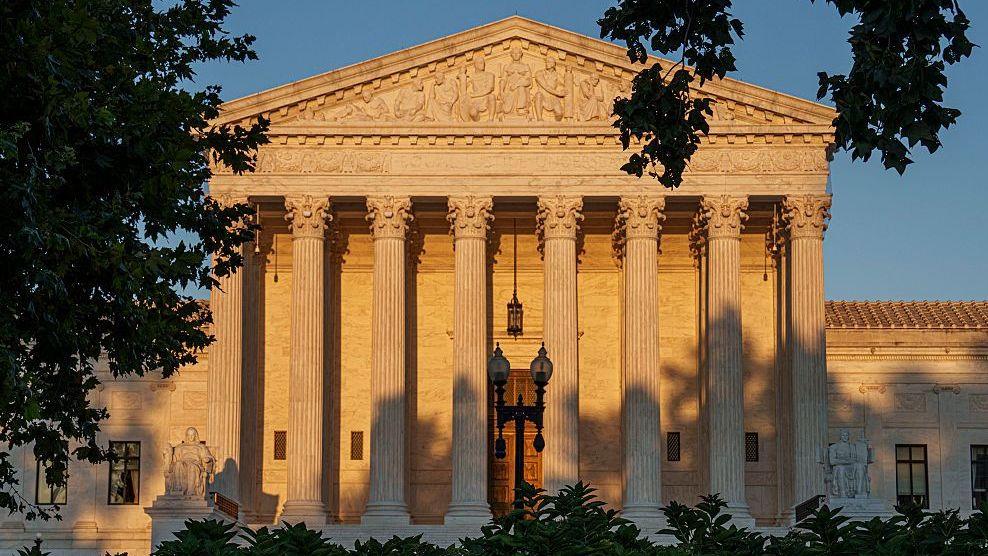
The U.S. Supreme Court has lifted the ban that the former Trump administration had on using a federal database to flag voters suspected of being non‑candidates, a move that re‑opens a flash‑point in the debate over voter‑roll integrity.
The database, known as the Systematic Alien Verification for Entitlements (SAVE), was originally created in 1986 to help government agencies verify eligibility for public benefits. Last year it was expanded to allow bulk searches based on Social Security information, enabling state election officials to cross‑check voter rolls for citizenship status.
In June, a federal judge ruled that the revamped system infringed on Americans’ privacy rights and could result in citizens being wrongly removed from electoral rolls. A higher court upheld that ruling, but the Supreme Court judged that the 1996 National Voter Registration Act prohibits widespread purges in the weeks before an election, thereby limiting any immediate effect ahead of the mid‑terms.
The Court’s conservative majority held that the database remains available to states on a voluntary basis, and that officials may still verify citizenship for individual voters. The three liberal justices dissented, with Justice Ketanji Brown Jackson warning that even a few mistakes could disenfranchise lawfully eligible voters.
The SAVE program’s federal use is being defended by the Trump administration and a wave of 27 states that rely on it, citing the need to prevent non‑citizens from voting. Critics point to cases such as Travis County, Texas, where about ten percent of voters flagged as non‑citizens were later found to be U.S. citizens, and to the possibility that the system could still unintentionally remove legitimate voters from rolls.
Georgia Secretary of State Brad Raffensperger, a Republican, has publicly described his office’s careful vetting process, which includes interviewing suspicious voters to ensure accuracy, and has urged larger safeguards to protect voting rights. Despite calls for tighter reforms, the Supreme Court’s decision preserves the status quo while leaving the door open for future adjustments as the 2026 mid‑term election approaches.