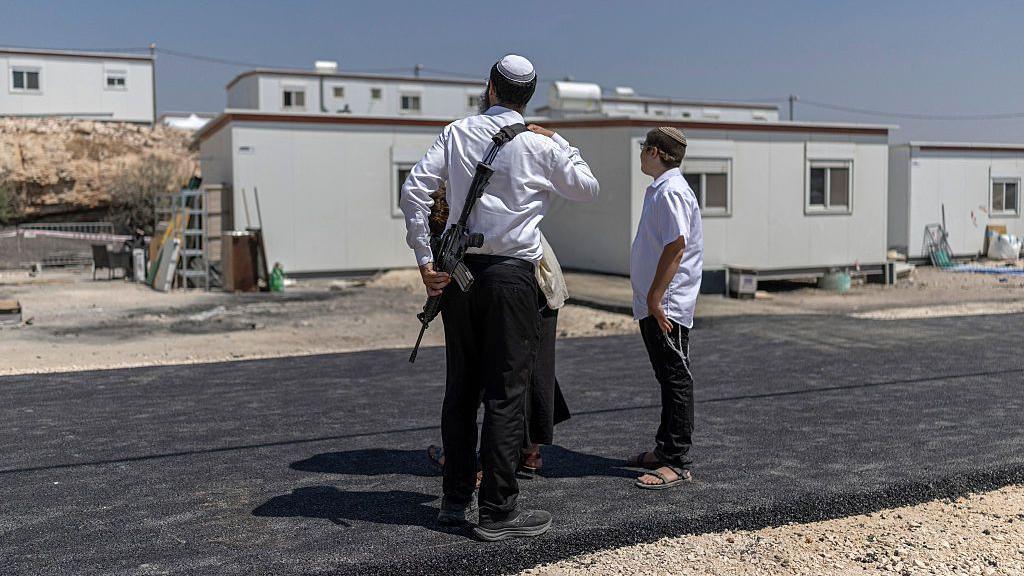
On 9 September 2026 the United Kingdom announced a trade‑ban on Israeli settlements in the West Bank, pledging to halt what it described as the "destruction" of a potential Palestinian state. Israel responded with fury, declaring it would shut the British diplomatic mission to the Palestinian Authority, remove UK troops from an international coordination base near Gaza, and bar several left‑wing Members of Parliament from entering Israel.
For Britain this was a bold diplomatic escalation aimed at upholding the two‑state solution and condemning perceived ethnic cleansing. The move also opened the door for 11 other European countries to join the sanctions.
Often the United States, as Israel’s principal ally, mediates such disputes. Yet throughout the day the U.S. government kept a low profile. State Secretary Marco Rubio, answering reporters en route to Colombia, said the U.S. had seen Britain’s announcement but did not yet comment. He added that the administration wanted to preserve the “goal of stability” in a tense region and didn’t wish to see an uptick in violence in the West Bank.
Pre‑announcement, U.S. Ambassador to Israel Mike Huckabee raised the possibility of sanctions, retaliation or other repercussions for Britain, though he did not specify a policy direction. The administration’s restraint mirrored comments from the White House indicating a shared concern for the well‑being of the region’s civilians, even as it maintained support for the Israeli government’s security stance.
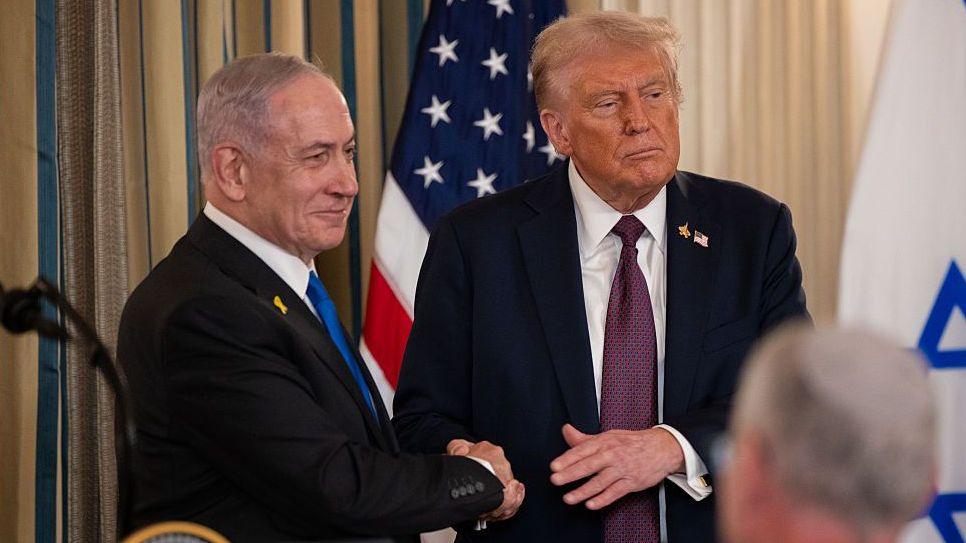
President Trump indicated he would speak to Israel to understand its motives, stating he “wants to find out why the UK took this step.” High‑level discussions within the Trump administration reportedly weighed the potential impact on American companies and weighed whether to issue any criticism of Britain’s policy.
Voices in the U.S. Congress, particularly among staunch pro‑Israel Republicans, called for a punitive response to Britain. Nonetheless, Washington’s top officials refrained from public condemnation. Analysts interpret this silence as a sign of frustration within the Trump administration toward the Israeli leadership’s handling of settler violence, a key point where the U.S. has long advocated for restraint.
Meanwhile, tensions over settler attacks, especially in schools and civilian areas, have drawn hostile reactions from Gulf allies and green‑light from the U.S., complicating its stance on broader Middle‑East diplomacy. The U.S.’s reluctance to press Israel on these matters may affect its leverage in Gaza and against Iran, where the administration’s priorities converge.
In sum, the United States’ muted stance on Britain’s sanctions reflects a complex calculus: preserving the Israel‑US alliance, managing regional stability, and navigating internal political pressures that shape its broader foreign‑policy agenda.