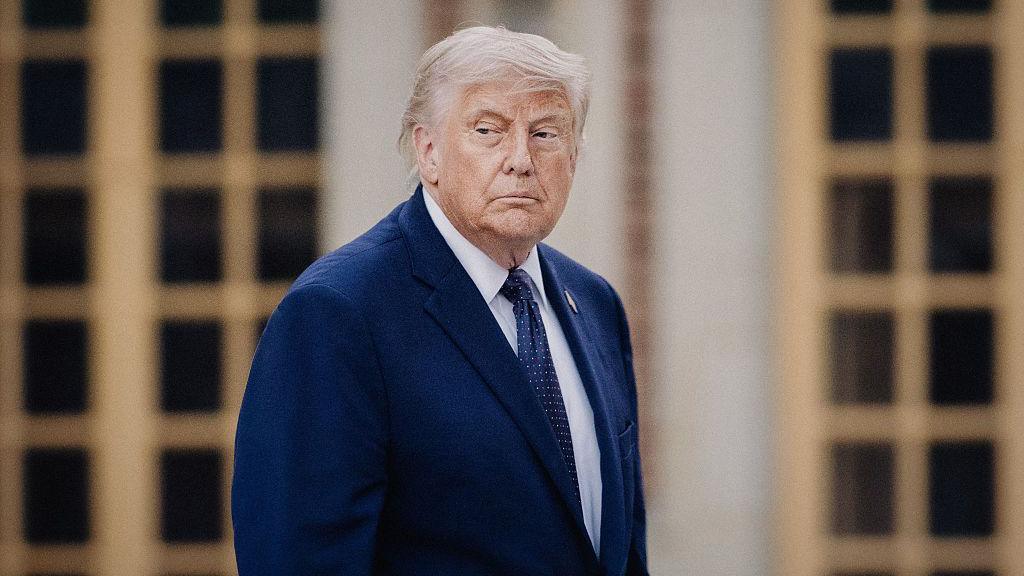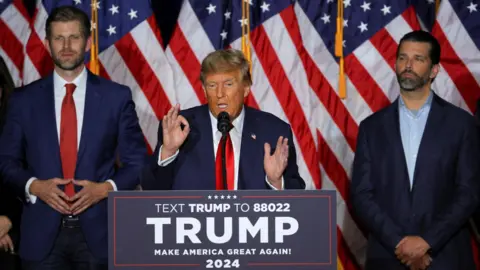
U.S. President Donald Trump and his two sons have filed a billion-dollar lawsuit against the federal government over leaks of their business and personal tax returns.
The civil complaint, filed in Miami federal court, seeks $10bn (£7.25bn) in damages.
The Trump family accuses the Internal Revenue Service (IRS) - the U.S.-wide tax body - and the Treasury Department of failing to prevent the disclosure of confidential, personal financial information by a former IRS contractor.
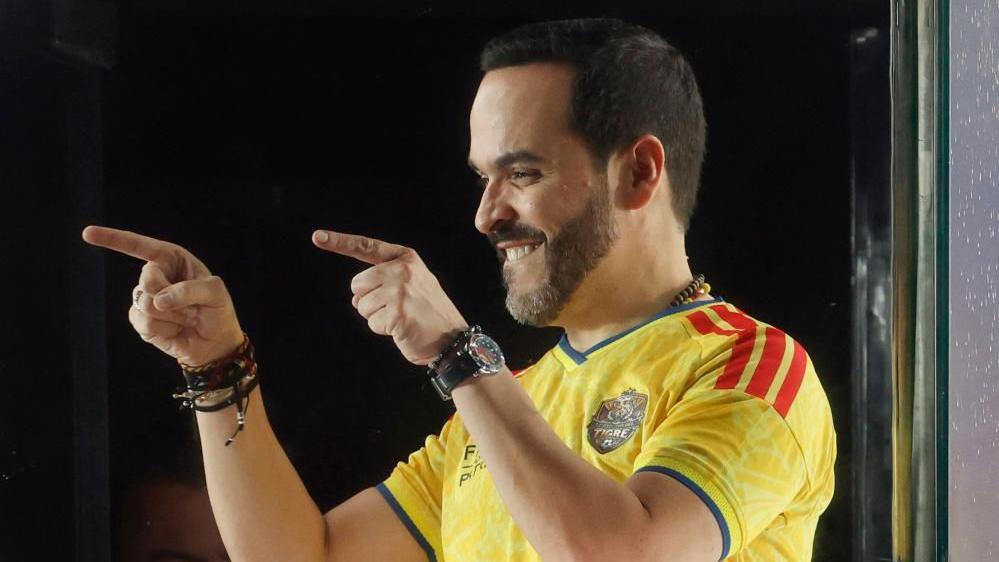
The contractor, Charles Chaz Littlejohn, is serving a five-year prison sentence after being convicted of leaking the tax disclosures to U.S. media outlets.
Ahead of the 2016 election, Trump said he would not release his tax returns because he was under audit, marking him as the first presidential candidate in nearly 50 years to forgo disclosing such documents. This stance was reiterated during his 2020 re-election campaign.
In September 2020, just before the November election, The New York Times published an extensive report on Trump's tax returns, revealing he paid only $750 in federal income taxes the year he won the presidency and no taxes at all in ten of the prior fifteen years.
Two years later - in 2022 - Trump released the documents himself.
The lawsuit claims that both the IRS and the Treasury Department had a duty to safeguard and protect such disclosures from being shared publicly but failed to take such mandatory precautions.
In their suit, Trump and his sons allege that they suffered reputational and financial harm, alongside public embarrassment from leaks to outlets such as The New York Times and ProPublica, which they say unfairly tarnished their business identities and affected their public standing.
In 2023, Littlejohn pleaded guilty to stealing tax data from Trump and other wealthy Americans while working as a contractor for the IRS, and he was sentenced to five years in prison in 2024.
The lawsuit accuses Littlejohn of weaponizing his access to unmasked taxpayer data to further his own personal, political agenda, believing he was above the law. Littlejohn viewed the disclosures as necessary, considering Trump to be dangerous and a threat to democracy.
When asked in a deposition if he sought to cause harm to Trump, he commented that his intent was more about making a statement, noting the resilience Trump had shown.
Trump resigned from his namesake company and hundreds of affiliated entities in 2017 before taking office during his first term.