MIAMI (AP) — Following a gruesome attack allegedly perpetrated by a Haitian immigrant at a Florida gas station, former President Donald Trump has taken to social media to advocate for his deportation agenda, asserting that such violent incidents exemplify the dangers posed by certain immigrants. The incident, which resulted in the death of 51-year-old Nilufa Easmin, a clerk at the gas station, has sparked debate about the portrayal of immigrants and the implications for immigration policy.
Rolbert Joachin, 40, is accused of murdering Easmin on April 2 in Fort Myers after allegedly swinging a hammer at her multiple times. He reportedly entered the U.S. in 2022 and was granted Temporary Protective Status under President Biden, a point Trump emphasized to criticize the current administration’s immigration policies.
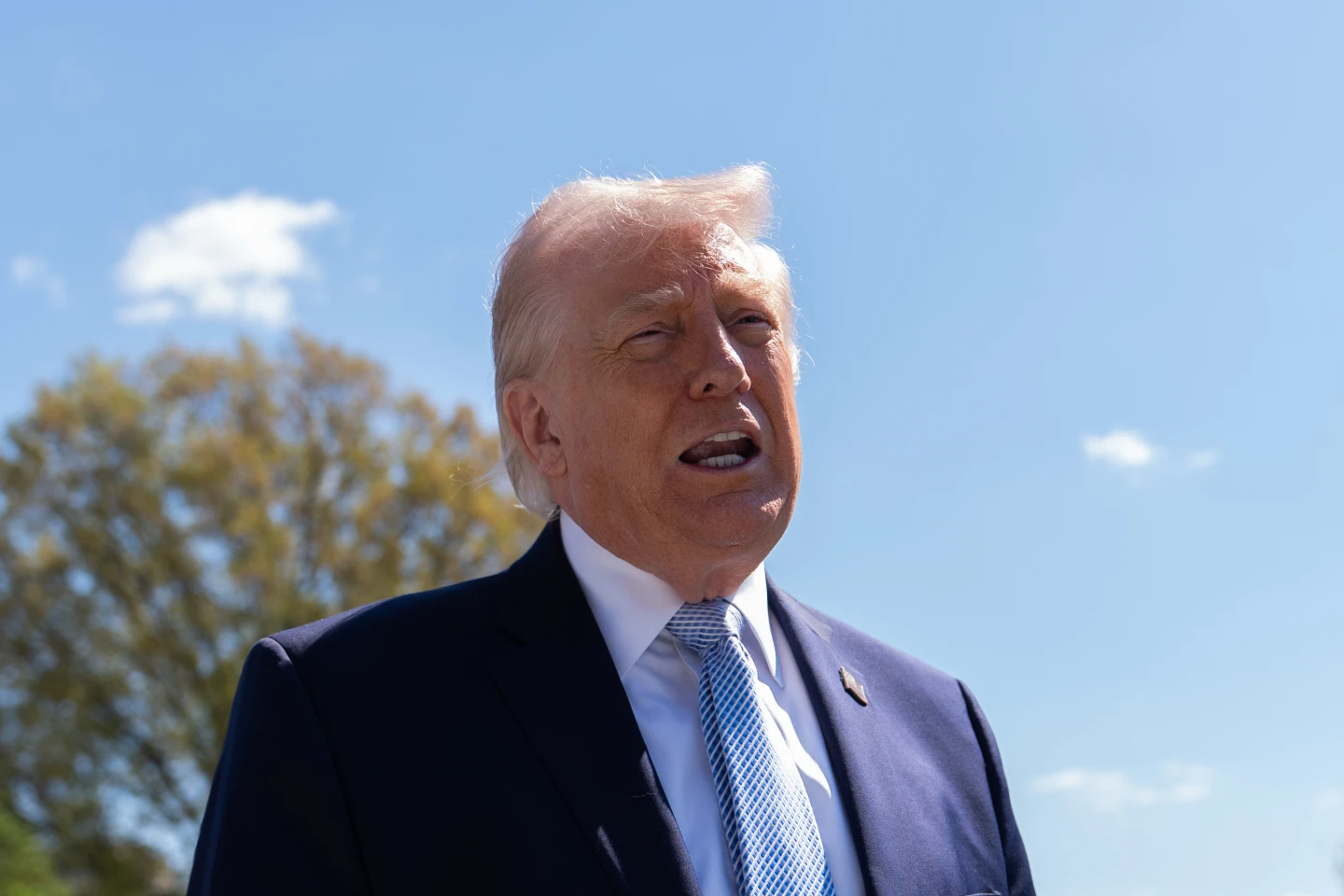
In a post on his social media platform, Truth Social, Trump described the attack as one of the most vicious acts he had ever seen, labeling Joachin an 'animal.' This portrayal of immigrants has drawn ire from critics, who assert that Trump’s rhetoric unfairly demonizes a group and overlooks statistics showing that undocumented immigrants are generally less likely to commit crimes compared to native-born Americans.
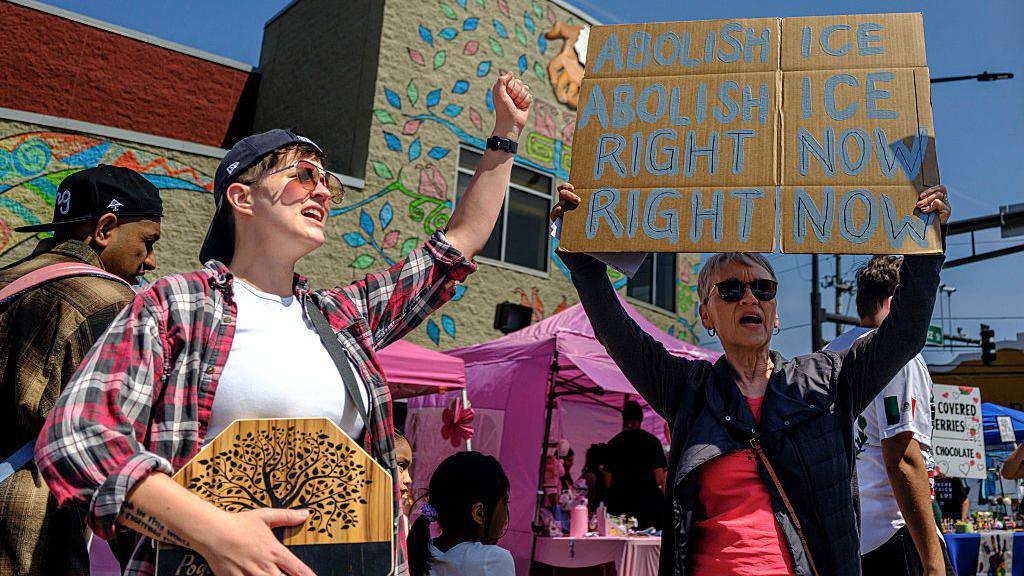
Critics point out that the framing of individual acts of violence can lead to sweeping generalizations that politicize fear, undermining the nuanced reality of immigration. Guerline Jozef, executive director of the Haitian Bridge Alliance, condemned the exploitation of the tragedy to advance an anti-immigrant agenda, stating that such narratives are not only unjust but also harmful.
The attack, captured on security footage, revealed a shocking scene as Joachin struck Easmin multiple times before walking away. Law enforcement arrested him shortly afterwards, and he has since been charged with murder.
As the incident unfolds, it raises significant questions about the broader implications for immigration policy, particularly surrounding Temporary Protected Status, which allows individuals from countries experiencing crises to stay and work in the U.S. The Trump administration has historically criticized such protections, highlighting crimes attributed to immigrants and utilizing these incidents to bolster its hardline stances on immigration.
Rolbert Joachin, 40, is accused of murdering Easmin on April 2 in Fort Myers after allegedly swinging a hammer at her multiple times. He reportedly entered the U.S. in 2022 and was granted Temporary Protective Status under President Biden, a point Trump emphasized to criticize the current administration’s immigration policies.
In a post on his social media platform, Truth Social, Trump described the attack as one of the most vicious acts he had ever seen, labeling Joachin an 'animal.' This portrayal of immigrants has drawn ire from critics, who assert that Trump’s rhetoric unfairly demonizes a group and overlooks statistics showing that undocumented immigrants are generally less likely to commit crimes compared to native-born Americans.
Critics point out that the framing of individual acts of violence can lead to sweeping generalizations that politicize fear, undermining the nuanced reality of immigration. Guerline Jozef, executive director of the Haitian Bridge Alliance, condemned the exploitation of the tragedy to advance an anti-immigrant agenda, stating that such narratives are not only unjust but also harmful.
The attack, captured on security footage, revealed a shocking scene as Joachin struck Easmin multiple times before walking away. Law enforcement arrested him shortly afterwards, and he has since been charged with murder.
As the incident unfolds, it raises significant questions about the broader implications for immigration policy, particularly surrounding Temporary Protected Status, which allows individuals from countries experiencing crises to stay and work in the U.S. The Trump administration has historically criticized such protections, highlighting crimes attributed to immigrants and utilizing these incidents to bolster its hardline stances on immigration.