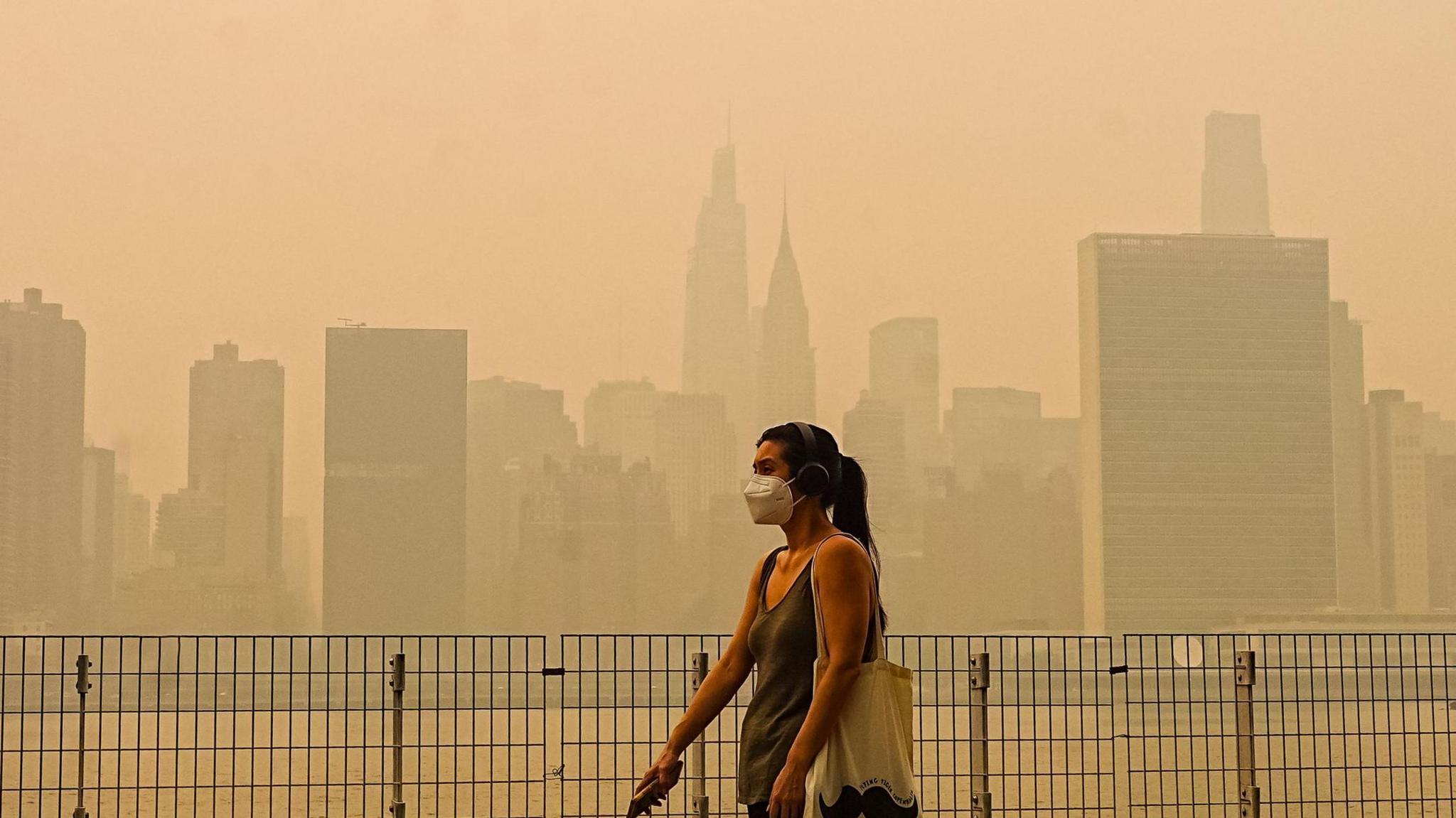
The United States is grappling with relentless wildfire smoke that has swept across Canadian provinces, dimming skylines from New York to Detroit. President Donald Trump has publicly threatened to impose new tariffs on Canada, citing the nation’s “willful negligence” in its fight against blazes that also compromise American air quality.
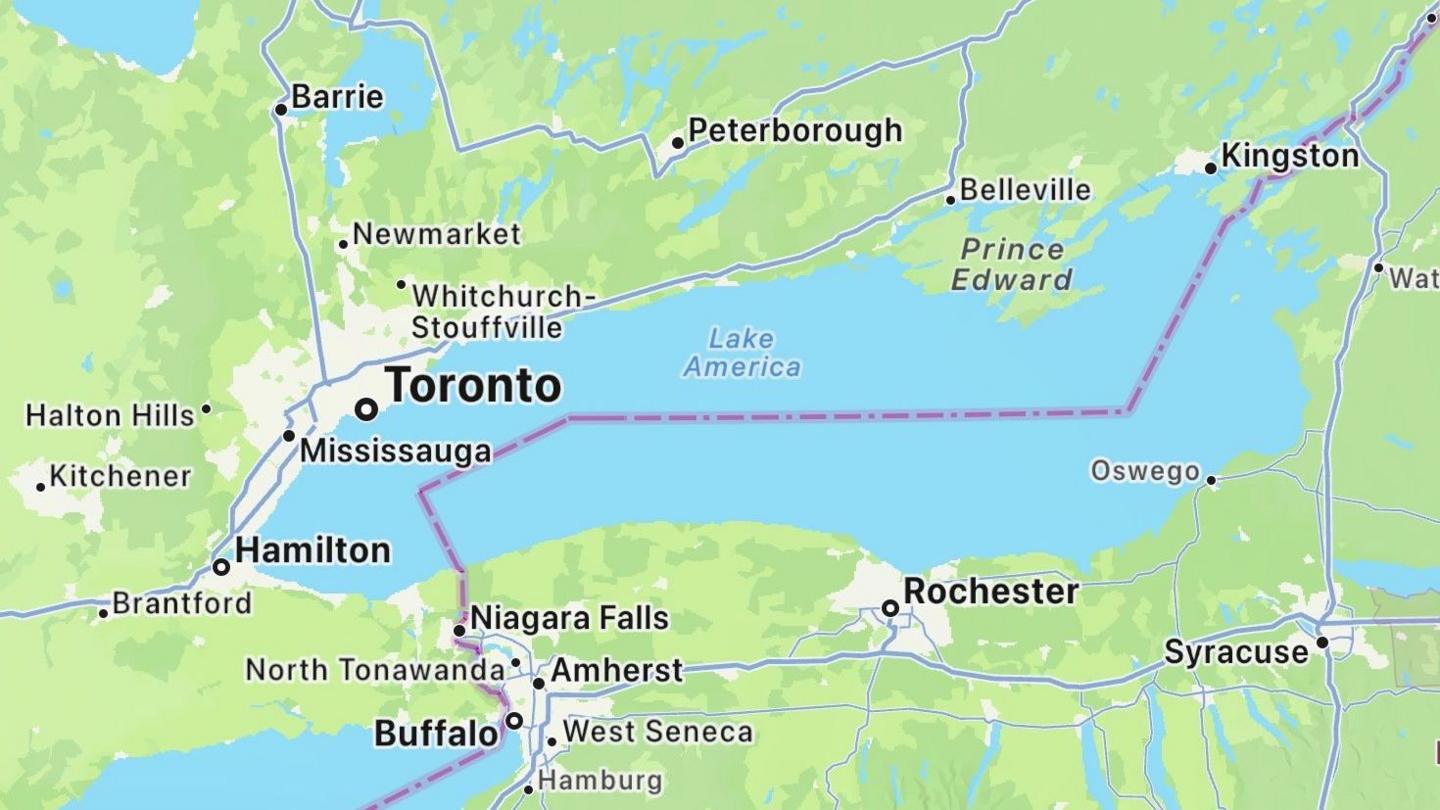
According to the Canadian Wildland Fire Information System, there were 888 active fires nationwide, with 190 in Ontario alone, the majority out of control. An estimated 3 million hectares have been consumed. Canadian officials, including Prime Minister Mark Carney, countered that climate change is a shared responsibility and that both governments are coordinating firefighting efforts.
U.S. lawmakers John James, John Moolenaar, Jack Bergman and Lisa McClain have filed an open letter demanding Canadian accountability. They warn that the U.S. could “explore direct involvement” in firefighting operations if Canada fails to act. The cluttered air has pushed cities like Detroit to register some of the worst air‑quality readings globally, as the Swiss air‑quality tracker IQAir situates it highest worldwide.
Senator‑in‑waiting Dr Patrick James of the University of Toronto reminds readers that wildfire smoke crosses borders. He stresses that external weather patterns, not political borders, dictate smoke drift. He points out that similar smokes from American fires have historically affected Canada.
The Canadian government, led by Premier Doug Ford, highlights its support to U.S. fire‑fighting in California and hurricane relief in North Carolina. Ford says a billion dollars have been spent on wildfire management since 2018, along with additional budgets to mobilize fire crews, water bombers and helicopters.
Across the border, air‑quality alerts triggered the cancellation of outdoor events from Chicago to Washington D.C. The environment has also raised concerns for the World Cup final at MetLife Stadium, where smoke conditions could potentially affect how and where spectators experience the match.
The plight has disproportionately affected First Nations communities. Namaygoosisagagun First Nation residents report their areas have been “burnt to ashes,” and 10 communities are now seeking refuge in Southern Ontario.
While Canadian forest management can reduce fire risk locally, the sheer scale of Canada’s wilderness limits complete prevention. The growing severity of wildfire seasons—driven by climate change—demands trans‑national collaboration that goes beyond tariffs and political posturing.